
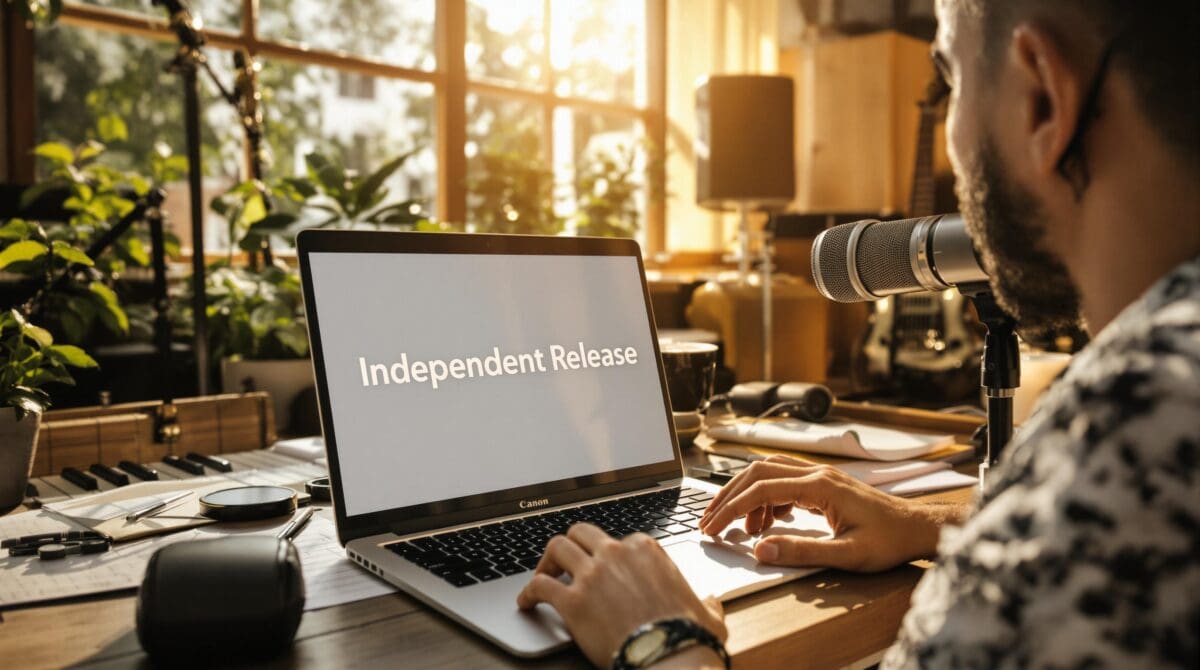

Releasing music on your own sounds simple at first. Who wouldn’t want total creative control and direct access to listeners? But fewer than 15 percent of independent tracks actually make it onto major playlists and some songs never see a single royalty payment. That is not the whole story though. Because artists who navigate the right release steps and platforms can transform a bedroom recording into a global hit, all while keeping 100 percent of their rights.
Table of Contents
- Planning And Preparing Your Music Release
- Choosing The Right Distribution Platforms
- Promoting Your Music For Maximum Reach
- Managing Rights, Revenue, And Analytics
Quick Summary
| Takeaway | Explanation |
|---|---|
| Develop a Release Strategy | Set clear objectives and establish a timeline of 8-12 weeks for planning promotional materials, distribution, and marketing efforts for your music release. |
| Choose the Right Distribution Platform | Evaluate different distribution services based on pricing, reach, and additional services like royalty tracking and promotional tools to select the best option for your music. |
| Engage in Strategic Promotion | Start promoting well before your release through social media engagement, collaboration, and targeting specific playlists to build momentum and expand your audience. |
| Manage Your Rights and Royalties | Register with Performance Rights Organizations and copyright your music to secure royalties and protect your intellectual property from unauthorized use. |
| Utilise Digital Analytics | Track listener demographics and revenue streams using analytics tools from streaming platforms to make informed decisions about marketing and future music production. |
Planning and Preparing Your Music Release
Successful music releases don’t happen by accident. Independent artists must craft a strategic approach that transforms raw musical talent into a professional, marketable product. The journey from studio recording to public release requires meticulous planning and preparation.
Creating Your Release Strategy
Developing a comprehensive release strategy begins with setting clear objectives for your music. Ask yourself critical questions: What are you hoping to achieve with this release? Are you aiming to build a fanbase, generate streaming revenue, or attract industry attention? Your goals will significantly influence every subsequent decision.
Start by establishing a realistic timeline. Professional artists typically plan releases 8-12 weeks in advance, allowing sufficient time for marketing, promotion, and logistical preparations. During this period, you’ll need to coordinate multiple elements including artwork design, digital distribution, press materials, and promotional content.
Budget allocation is crucial. Independent artists must strategically invest in key areas like professional mixing and mastering, promotional graphics, learn more about music marketing strategies, and targeted digital advertising. While resources might be limited, prioritizing quality over quantity ensures a more impactful release.
Technical and Legal Preparations
Before releasing your music, complete several critical administrative tasks. Register your compositions with a Performance Rights Organisation to ensure you receive royalties. Obtain unique identifiers like ISRC codes for tracking your sound recordings across digital platforms. Consider copyright registration to protect your intellectual property.
Prepare a professional electronic press kit that includes high-quality promotional photos, an artist biography, release details, and contact information. This resource becomes essential when pitching to playlist curators, music blogs, and potential collaborators. Your press kit should tell a compelling story about your musical journey and the inspiration behind your latest release.
Create engaging visual assets that complement your music. This includes eye-catching artwork, behind-the-scenes video content, and consistent branding across social media platforms. Visual storytelling can significantly enhance audience connection and anticipation for your upcoming release.
Building Promotional Momentum
Successful independent artists understand that promotion starts long before the actual release date. Begin teasing your upcoming music through strategic social media content, snippets of recording sessions, and personal insights into your creative process. Engage with your existing fanbase and work on expanding your audience through targeted digital marketing.
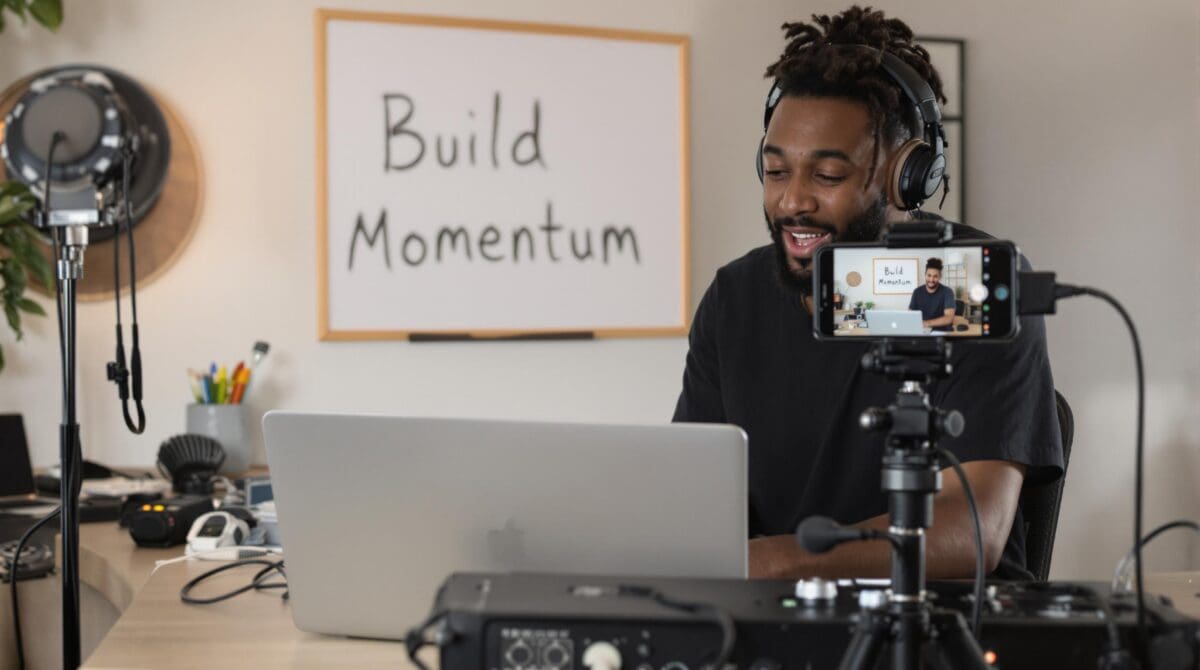
Consider submitting your music to playlist curators and music blogs specializing in your genre. Platforms like SubmitHub can help independent artists connect with potential promotional channels. Network with other musicians, collaborate on cross-promotional opportunities, and build relationships within your musical community.
Remember that releasing music independently requires patience, persistence, and continuous learning. Each release provides valuable experience and insights that will refine your approach for future projects. Join Music Gateway to access professional tools and resources that can support your independent music career.
Choosing the Right Distribution Platforms
Navigating the world of digital music distribution can be complex for independent artists. The right distribution platform becomes your gateway to global music markets, determining how and where your music reaches potential listeners. Understanding the nuances of these platforms is crucial for maximizing your music’s visibility and potential revenue.
Understanding Digital Distribution Basics
Digital distribution platforms serve as critical intermediaries between independent artists and major streaming services like Spotify, Apple Music, and YouTube Music. These platforms handle the technical complexities of uploading your music, ensuring proper metadata, and collecting royalties across multiple digital ecosystems.
When selecting a distribution service, consider several key factors. Pricing structures vary significantly some platforms charge upfront fees, while others take a percentage of your streaming revenue. Evaluate the platform’s reach how many streaming services and digital stores they distribute to. Look for platforms offering additional services like insights into music distribution strategies, playlist pitching support, and comprehensive analytics.
Professional artists recommend comparing multiple platforms. Popular options include DistroKid, TuneCore, CD Baby, and Music Gateway. Each platform offers unique features some provide unlimited releases for an annual fee, while others charge per release. Carefully assess their royalty collection mechanisms, reporting transparency, and additional promotional tools.
To help you compare popular digital distribution platforms mentioned in the article, the following table summarises key differences in costs, release models, and features.
| Platform | Pricing Structure | Release Model | Key Features |
|---|---|---|---|
| DistroKid | Annual fee, unlimited | Unlimited releases | Fast uploads, Spotify integration |
| TuneCore | Pay per release | Single/album basis | Detailed analytics, per-release cost |
| CD Baby | One-time per release | Single/album basis | Physical/digital, royalty collection |
| Music Gateway | Annual/other pricing | Varies | Royalty tracking, promo tools, analytics |
Evaluating Platform Features and Costs
Beyond basic distribution, modern platforms offer sophisticated features that can significantly enhance your music career. Advanced analytics help you understand listener demographics, track performance across different regions, and identify potential growth opportunities. Some platforms provide detailed streaming data, allowing you to make informed decisions about future marketing strategies.
Consider the platform’s reputation for artist support. Look for services that offer quick customer support, clear communication channels, and resources for independent musicians. Some platforms provide educational content, webinars, and community forums that can help you navigate the complex music industry landscape.
Financial considerations are paramount. Compare the total cost of distribution against potential revenue streams. Some platforms offer lower upfront costs but take higher percentages of your earnings. Others might charge more initially but provide more comprehensive services. Calculate potential long-term benefits rather than focusing solely on immediate expenses.
Strategic Distribution Planning
Successful music distribution requires more than just uploading tracks. Develop a strategic approach that maximizes your music’s potential. Timing is crucial release your music when you have a comprehensive promotional plan in place. Many distribution platforms offer pre-save options, allowing fans to add your upcoming release to their playlists before it launches.
Understand the importance of metadata. Accurate song information, including genre tags, composer credits, and explicit content warnings, can significantly impact your music’s discoverability. Some platforms offer tools to help you optimize your metadata and improve search visibility.
Remember that distribution is just the beginning of your musical journey. Consistent engagement, strategic promotion, and continuous learning are key to building a sustainable music career. Join Music Gateway to access professional distribution tools and resources that can support your independent music endeavours.
Promoting Your Music for Maximum Reach
Successful music promotion requires a multifaceted approach that extends far beyond simply uploading tracks to streaming platforms. Independent artists must develop a strategic marketing plan that creates genuine connections with potential listeners and maximizes their music’s visibility across digital landscapes.
Digital Marketing Fundamentals
Effective digital marketing begins with understanding your target audience. Create detailed listener personas that go beyond basic demographics. Consider the musical preferences, online behaviors, and cultural contexts of potential fans. This granular approach allows you to craft targeted promotional strategies that resonate more authentically.
Social media platforms offer powerful tools for music promotion. Each platform requires a unique approach tailored to its specific audience and algorithmic preferences. Instagram and TikTok excel with short, visually engaging content that showcases your personality and musical journey. Create behind-the-scenes snippets, performance clips, and creative storytelling content that invites audiences into your artistic world.
Leverage emerging platforms and trends. Short-form video content has become a critical marketing channel for independent musicians. Develop creative, shareable content that highlights your music’s unique qualities. explore advanced music promotion techniques to understand how to maximize your digital reach effectively.
Strategic Playlist and Platform Targeting
Playlist placement remains a cornerstone of modern music promotion. Research and target playlists that align closely with your musical genre and style. Many streaming platforms offer submission tools that allow direct pitching to editorial teams. Prepare professional press materials, high-quality artwork, and compelling artist narratives to increase your chances of selection.
Develop a comprehensive email marketing strategy. Build an email list of fans, industry contacts, and potential supporters. Regular newsletters can keep your audience engaged, providing exclusive content, release updates, and personal insights into your musical journey. Segment your email list to create more personalized communication experiences.
Consider collaborating with other independent artists in your genre. Cross-promotion can help you tap into new audience segments and create mutually beneficial networking opportunities. Joint live streams, collaborative tracks, and shared social media content can significantly expand your potential listener base.
Advertising and Targeted Promotion
Paid digital advertising offers precise targeting capabilities that can amplify your music’s reach. Platforms like Facebook, Instagram, and YouTube allow you to create highly specific audience targeting based on musical interests, demographics, and online behaviors. Start with small budgets and experiment with different ad formats to understand what resonates most with your potential fans.
Engage with music blogs, podcasts, and online music communities. Many independent platforms are eager to discover and promote emerging talent. Craft personalized pitches that highlight your unique musical perspective and demonstrate why your music stands out.
Remember that consistent promotion is key. Develop a content calendar that maintains regular engagement with your audience. Share your musical journey, creative process, and personal stories that create deeper connections beyond the music itself.
Promoting music independently requires patience, creativity, and strategic thinking. Each promotional effort builds momentum towards establishing your artistic brand. Join Music Gateway to access professional marketing tools and resources that can support your independent music career and help you navigate the complex digital music landscape.
Managing Rights, Revenue, and Analytics
Independent artists must become savvy managers of their musical intellectual property, understanding the complex landscape of rights management, revenue streams, and digital analytics. Successful music careers are built not just on creative talent, but on strategic financial and legal navigation.
Understanding Music Rights and Royalties
Music rights represent the fundamental legal framework protecting your creative work. As an independent artist, you’ll encounter multiple types of royalties that form your potential income streams. Performance royalties emerge from live performances and radio plays, while mechanical royalties are generated from recorded music reproductions. Streaming platforms generate additional digital performance royalties that require precise tracking.
Registering with a Performance Rights Organization (PRO) becomes critical for collecting these royalties. These organizations track and distribute payments for public performances of your music. Choose a PRO that provides comprehensive coverage and transparent reporting mechanisms. Some organizations offer additional services like legal support and educational resources for independent musicians.
Protect your compositions by obtaining official copyright registration. This legal documentation establishes your ownership and provides crucial protection against unauthorized use. discover comprehensive music rights management strategies to ensure you’re maximizing your intellectual property’s potential value.
The following table outlines the main types of music royalties described in the article, including their sources and collection methods, for quick reference.
| Royalty Type | Source of Revenue | Collection Method |
|---|---|---|
| Performance Royalties | Live performances, radio plays | Performance Rights Organisation |
| Mechanical Royalties | Recorded music reproductions | Publisher/Distributor |
| Digital Performance | Streaming platforms | Digital distribution platforms |
| Sync Licensing | TV, film, games, ads | Licensing/publishing deals |
Digital Analytics and Revenue Tracking
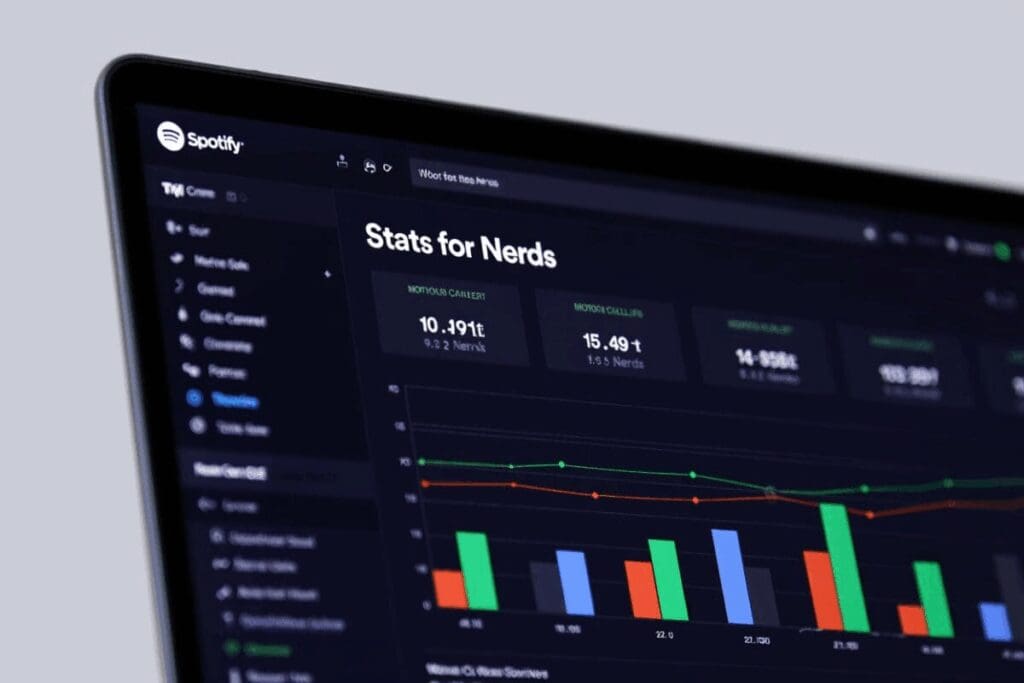
Modern digital platforms offer sophisticated analytics tools that provide unprecedented insights into your music’s performance. These dashboards track listener demographics, geographical streaming data, playlist inclusions, and engagement metrics. Understanding these analytics allows you to make informed decisions about marketing strategies, tour planning, and future musical productions.
Develop a systematic approach to tracking your revenue streams. Create spreadsheets or use specialized music business management software to monitor income from various sources including streaming platforms, digital sales, merchandise, and live performances. Accurate financial tracking helps you understand which aspects of your musical career generate the most substantial returns.
Pay close attention to streaming platform analytics. Each service provides unique insights into listener behavior. Analyze which tracks perform best, understand audience geographic distribution, and identify potential playlist opportunities. Some platforms offer advanced features like listener retention rates and skip percentages that can inform your future musical creative decisions.
Legal Compliance and Financial Management
Independent artists must treat their music as a business. This means maintaining precise financial records, understanding tax obligations, and potentially consulting with music industry accountants who specialize in creative professionals. Keep detailed documentation of all income sources, music-related expenses, and potential tax deductions specific to musicians.
Consider the legal complexities of music licensing. Your compositions might generate revenue through sync licensing for films, television, advertisements, and video games. Understanding these potential additional revenue streams can significantly expand your financial opportunities. Research licensing platforms and consider working with music publishing administrators who can help navigate these complex negotiations.
Stay informed about changes in digital music economics. The music industry evolves rapidly, with new platforms, payment structures, and revenue models emerging continuously. Subscribe to industry publications, attend webinars, and network with other independent artists to stay current on best practices.
Managing your music’s rights and revenue requires continuous learning and strategic thinking. Approach your musical career with the same dedication you apply to your creative process. Join Music Gateway to access professional tools that can help you effectively manage your music’s business side and maximize your artistic potential.
Frequently Asked Questions
How do I create a release strategy for my music?
To create a release strategy, set clear objectives such as building a fanbase or generating revenue. Establish a realistic timeline, typically 8-12 weeks in advance, and allocate your budget wisely for areas like mixing, mastering, and marketing materials.
What distribution platforms should I consider for releasing my music?
Consider popular digital distribution platforms like DistroKid, TuneCore, CD Baby, and Music Gateway. Evaluate their pricing structures, reach, and additional services like royalty tracking before making a decision.
How can I promote my music effectively?
Effective promotion involves understanding your target audience, engaging on social media, and strategically submitting to playlists and blogs. Consistent content creation and collaboration with other artists can also expand your reach.
What are music rights and how do I manage them?
Music rights are legal protections for your creative work. To manage them, register with a Performance Rights Organization (PRO) for royalty collection and consider copyrighting your music to safeguard your intellectual property.
Ready to Take Control of Your Music Release?
Putting your music out into the world independently can feel overwhelming. The article highlighted real frustrations faced by artists, such as complex distribution options, tricky promotion tactics, and the challenge of collecting royalties. If you want industry-level results without giving up your rights or getting lost in endless admin, you need a reliable partner who truly understands independent musicians.
Music Gateway provides everything you need to go from planning to release and beyond:
- Access expert music promotion strategies and digital advertising tools all in one place
- Look after your royalties and legal details with trusted rights management
- Connect your tracks to major playlists and music platforms without the usual gatekeepers
Stop waiting for a break. Start launching your music with confidence today. Take a look at our proven solutions and let us support your journey from first upload through to charting results. Visit Music Gateway and discover how simple independent success can be.
Recommended
- How To Sell Music | Мusic Gateway
- Independent Artists | Мusic Gateway
- Independent Artist Marketing | Music Gateway
- Music Marketing Strategies | Мusic Gateway
- Email Marketing for Musicians: Grow Your Fanbase with Email
- 7 Effective Music Release Strategies for Artists
- 7 Best Times to Release Music for Maximum Impact
- Ultimate Music Release Checklist for Independent Artists