

Music fans often imagine glittering stages and soaring anthems, but behind every chart-topping hit lies a network of professional codes and moral decisions. Some might be shocked to learn that many artists struggle to receive adequate financial recognition for their work, even as the industry thrives.
This surprising disconnect reveals that music industry ethics are more than just legal jargon and instead shape the very creativity and fairness at the heart of every song.
Table of Contents
- Defining Music Industry Ethics: Core Principles And Values
- The Importance Of Ethics In Music: Why Values Matter
- Navigating Issues Of Copyright And Ownership In Music
- Fair Compensation In The Music Industry: A Moral Perspective
- Real-World Cases: Ethics In Action Within The Music Scene
Quick Summary
| Takeaway | Explanation |
|---|---|
| Respect intellectual property rights | Fair compensation for creative works is essential for artist protection. |
| Practice transparent financial dealings | Clear accounting and revenue sharing prevent exploitation within the industry. |
| Maintain professional integrity | Honest communication and mutual respect foster trust and collaboration among music professionals. |
| Establish clear collaboration agreements | Define ownership, compensation, and rights to avoid disputes in creative partnerships. |
| Advocate for fair compensation | Ensure artists are recognized financially for their contributions to sustain creativity and innovation. |
Defining Music Industry Ethics: Core Principles and Values
Music industry ethics represents a critical framework of professional conduct and moral guidelines that govern interactions, creative processes, and business relationships within the musical ecosystem. At its core, these principles aim to protect artists, promote fairness, and maintain integrity across various professional contexts.
Foundational Ethical Principles
Ethical conduct in the music industry revolves around several fundamental values that ensure respectful and transparent interactions. These principles serve as a moral compass for musicians, producers, managers, and industry professionals.
- Intellectual Property Respect: Recognising and fairly compensating creators for their original work
- Transparent Financial Practices: Ensuring clear, honest accounting and revenue sharing
- Professional Integrity: Maintaining truthful communication and avoiding manipulative tactics
These principles aren’t merely theoretical constructs but practical guidelines that prevent exploitation and foster a collaborative environment. When artists understand their rights and industry professionals commit to ethical standards, the entire musical landscape becomes more sustainable and supportive.
To clarify key ethical concepts discussed throughout the article, the following table summarises core principles and values of music industry ethics alongside concise explanations.
| Principle | Explanation |
|---|---|
| Intellectual Property Respect | Recognising and fairly compensating creators for their original work |
| Transparent Financial Practices | Ensuring clear, honest accounting and revenue sharing |
| Professional Integrity | Maintaining truthful communication and avoiding manipulative tactics |
| Ethical Collaboration | Establishing clear ownership, rights, and compensation to prevent disputes in joint projects |
| Fair Compensation | Advocating for artists to be recognised financially for their creative and professional contributions |
The Importance of Ethical Standards
Without robust ethical frameworks, the music industry could devolve into a chaotic marketplace where powerful entities exploit vulnerable creators. Ethical standards protect emerging artists from predatory contracts, ensure fair compensation, and create mechanisms for accountability.
For instance, proper music licensing insights can help artists understand how to protect their creative work and negotiate fair terms. By establishing clear boundaries and expectations, these ethical guidelines create a more equitable playing field for all participants.
Ultimately, music industry ethics are about creating an ecosystem where creativity can flourish, artists can be fairly compensated, and innovation is encouraged without compromising individual rights or artistic integrity. It’s a delicate balance between commercial interests and human creativity.
The Importance of Ethics in Music: Why Values Matter

Ethics are not just abstract philosophical concepts but fundamental principles that shape the entire music industry’s ecosystem. They serve as critical guardrails protecting artists, creators, and professionals from potential exploitation, ensuring a fair and sustainable environment for musical creativity and business interactions.
Protecting Creative Integrity
The music industry is inherently collaborative, which makes ethical standards crucial for maintaining trust and respect among all participants. Ethical behaviour ensures that creative contributions are properly acknowledged, compensated, and protected. When artists feel secure in their professional relationships, they can focus on what truly matters: creating exceptional music.
- Intellectual Property Protection: Safeguarding original musical works
- Fair Compensation: Ensuring artists receive appropriate financial recognition
- Transparent Collaboration: Establishing clear expectations and boundaries
Without robust ethical frameworks, talented musicians could find themselves vulnerable to unfair contracts, unauthorized use of their work, or financial manipulation by more powerful industry players.
Economic and Professional Consequences
Ethical breaches in the music industry can have far-reaching consequences beyond individual transactions. Unethical practices can damage professional reputations, erode industry trust, and create systemic barriers for emerging artists. Our music licensing guide provides deeper insights into navigating these complex professional landscapes.
Moreover, ethical conduct directly impacts an artist’s long-term sustainability. Musicians who are treated fairly and transparently are more likely to continue investing their creativity, energy, and resources into producing high-quality musical content.
Ultimately, music industry ethics represent a collective commitment to respect, fairness, and human dignity. They transform the industry from a purely transactional space into a collaborative ecosystem where creativity can genuinely flourish, artists can thrive, and innovative musical expressions can emerge without fear of exploitation.
Navigating Issues of Copyright Laws, Record Labels & Ownership in Music

Copyright and ownership represent the foundational legal and ethical mechanisms that protect musical creativity, ensuring artists maintain control and receive appropriate recognition for their original work. Understanding these complex frameworks is crucial for musicians seeking to safeguard their intellectual property and navigate the intricate landscape of music production and distribution.
Understanding Copyright Basics
At its core, copyright provides musicians with exclusive rights to their original musical compositions and recordings. These legal protections prevent unauthorized reproduction, distribution, or commercial exploitation of an artist’s work without proper consent or compensation.
- Composition Copyright: Protecting the written musical score and lyrics
- Sound Recording Copyright: Safeguarding specific recorded performances
- Performance Rights: Ensuring artists are compensated for public performances
Musicians must recognize that copyright protection begins automatically upon creating an original work, though formal registration can provide additional legal advantages and documentation.
Complex Ownership Scenarios
Ownership in music becomes particularly nuanced when multiple creators collaborate. Band members, producers, songwriters, and session musicians can all potentially claim partial ownership, making clear agreements essential. Learn about comprehensive music copyright strategies to understand these intricate relationships.
Joint works require explicit agreements defining each contributor’s percentage of ownership, royalty distribution, and potential future usage rights. Without transparent documentation, collaborative projects can quickly become legal minefields.
Ultimately, copyright and ownership represent more than legal technicalities they are critical mechanisms for protecting artistic integrity, ensuring fair compensation, and maintaining the creative ecosystem’s sustainability. By understanding these principles, musicians can confidently share their work while maintaining control over their intellectual property.
To better understand the types of copyright and ownership in music, the table below outlines the different categories discussed and their main attributes.
| Copyright/Ownership Category | What It Protects | Who Benefits |
|---|---|---|
| Composition Copyright | The written musical score and lyrics | Songwriters, composers |
| Sound Recording Copyright | Specific recorded performances | Performing artists, producers |
| Performance Rights | Payment for public performances | Artists, composers, publishers |
| Joint Works Ownership | Collaborative contributions | Multiple creators |
Fair Compensation in the Music Industry: A Moral Perspective
Fair compensation represents more than a financial transaction it is a fundamental ethical principle recognising the intrinsic value of artistic labour and creative expression. In the music industry, this concept challenges systemic inequalities and advocates for transparent, equitable remuneration that respects musicians’ contributions and sustains their creative practice.
The Economic Realities of Musical Creation
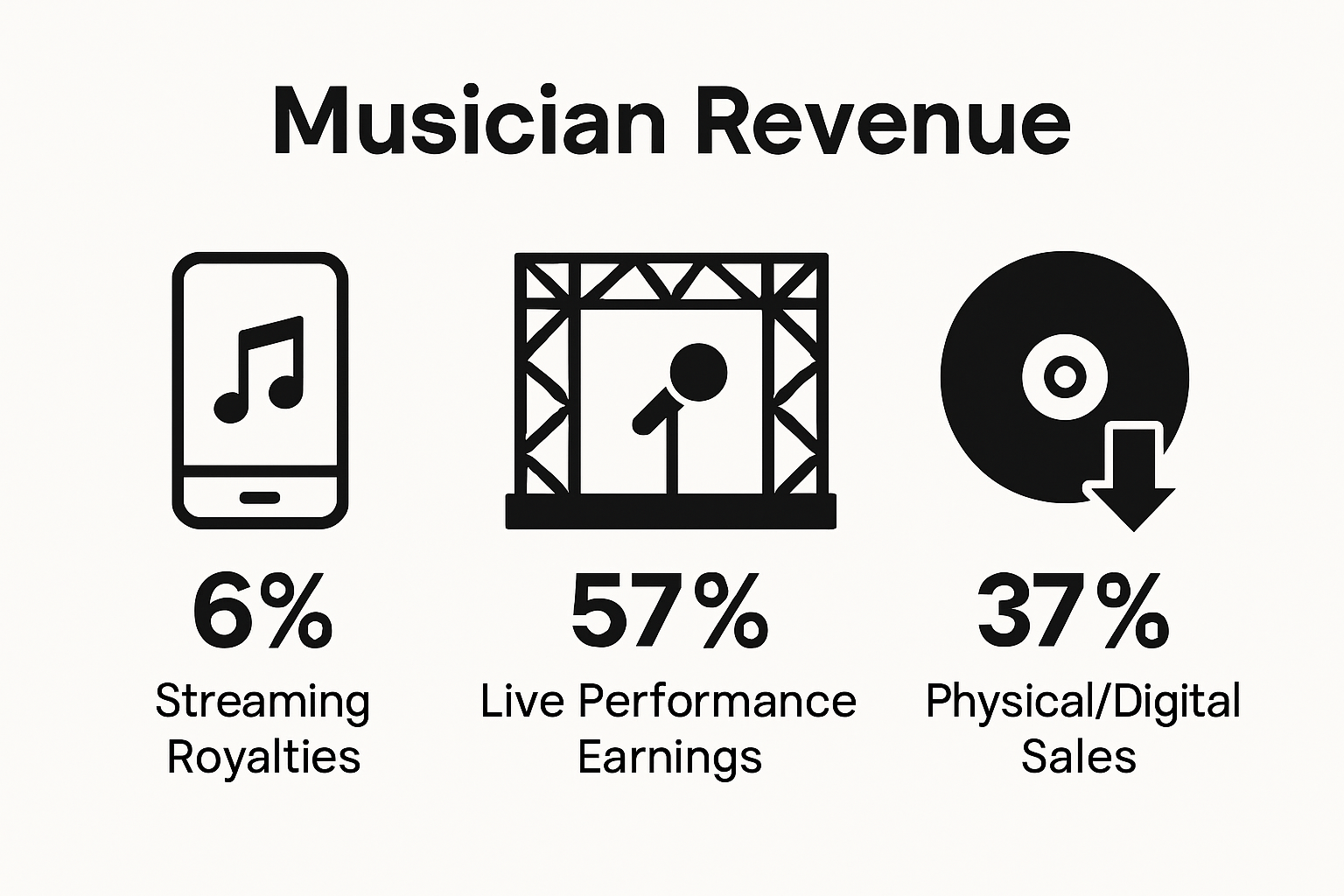
Musicians invest substantial resources into their craft personal time, emotional energy, financial investments in equipment, and years of skill development. Despite these significant contributions, many artists struggle to receive adequate financial recognition for their work.
- Production Costs: Expenses for recording, equipment, and studio time
- Skill Development: Years of training and practice
- Opportunity Costs: Time invested in musical pursuits
The digital streaming era has dramatically transformed compensation models, often disadvantaging individual creators while benefiting large platforms and intermediaries.
Ethical Considerations of Compensation
Fair compensation transcends mere monetary exchange it represents a profound acknowledgement of artistic value and professional respect. Explore streaming platform payment structures to understand the complex landscape of modern music economics.
Ethical compensation requires recognising that music is not just a commodity but a vital form of cultural expression. Musicians contribute significantly to society’s emotional and cultural landscape, yet frequently encounter economic precarity.

Ultimately, fair compensation is about creating an ecosystem where creativity can flourish, artists can sustain themselves professionally, and musical innovation is not hindered by economic constraints. It demands a collective commitment from industry stakeholders to prioritise human creativity over pure profit extraction.
Real-World Cases: Ethics in Action within the Music Scene
Real-world ethical scenarios reveal the complex dynamics of integrity, accountability, and professional conduct in the music industry. These practical examples demonstrate how ethical principles translate into tangible actions, challenges, and consequences that shape artists’ careers and industry relationships.
Intellectual Property and Collaborative Challenges
Collaborative projects frequently expose the most nuanced ethical dilemmas, particularly when multiple contributors bring different creative and professional expectations to a musical venture. Misunderstandings about ownership, credit, and compensation can rapidly transform creative partnerships into contentious legal battles.
- Songwriting Credits: Determining fair attribution for collaborative compositions
- Sampling Rights: Navigating permissions and financial compensation
- Performance Agreements: Establishing clear expectations for joint creative work
Successful collaborations require transparent communication, explicit documentation, and mutual respect for each contributor’s creative and professional boundaries.
Navigating Professional Misconduct
The music industry has witnessed significant ethical transformations, particularly regarding systemic issues of power dynamics, representation, and accountability. Learn about professional performance standards that help artists maintain professional integrity.
Public accountability has become a powerful mechanism for addressing unethical behaviour. Social media and increased industry transparency have empowered artists and professionals to challenge inappropriate conduct, creating new standards of professional behaviour that prioritise respect, consent, and equitable treatment.
Ultimately, real-world ethical cases demonstrate that integrity is not a passive concept but an active, ongoing commitment. They reveal that maintaining professional ethics requires continuous dialogue, willingness to learn, and a collective commitment to creating a more just and supportive musical ecosystem.
Take Control of Your Music Career with Ethical Partnerships
Navigating music industry ethics can feel overwhelming, especially when you are confronted by unfair contracts, opaque licensing deals and inconsistent compensation. As explored in the article, issues like copyright ownership, transparent collaboration and fair pay are not just theoretical concerns. They affect your creative freedom, your reputation and ultimately your livelihood. Ethical challenges are real for independent and emerging artists striving to protect their creative integrity in a highly competitive world.
Music Gateway is designed to help you bridge this critical gap with total transparency and genuine support. Through our music promotion platform, you gain access to reliable distribution, licensing and artist growth solutions that truly place you at the centre. Discover resources that empower you to navigate ownership disputes, secure your rights and reach a wider audience on your own terms. Ready to move beyond uncertainty and make ethics your strongest asset? Start your journey now by exploring Music Gateway and see how we can support your ethical and professional success.
Frequently Asked Questions
What are the foundational ethical principles in the music industry?
The foundational ethical principles in the music industry include respect for intellectual property, transparent financial practices, and maintaining professional integrity. These values aim to protect artists and ensure fair and respectful interactions within the industry.
Why are ethical standards important for artists in the music industry?
Ethical standards are crucial as they protect artists from exploitation, ensure fair compensation, and create a supportive environment for creativity. They help establish trust and safety within professional relationships, allowing artists to focus on their music.
How does copyright protect artists in the music industry?
Copyright provides exclusive rights to musicians for their original compositions and recordings, preventing unauthorized use. This protection begins automatically upon the creation of a work, allowing artists to control and gain recognition for their creative output.
What constitutes fair compensation for musicians?
Fair compensation in the music industry refers to the acknowledgement of an artist’s creative value through equitable financial remuneration. It encompasses not just monetary payment but also respect for the artist’s time, expertise, and investment in their craft.