
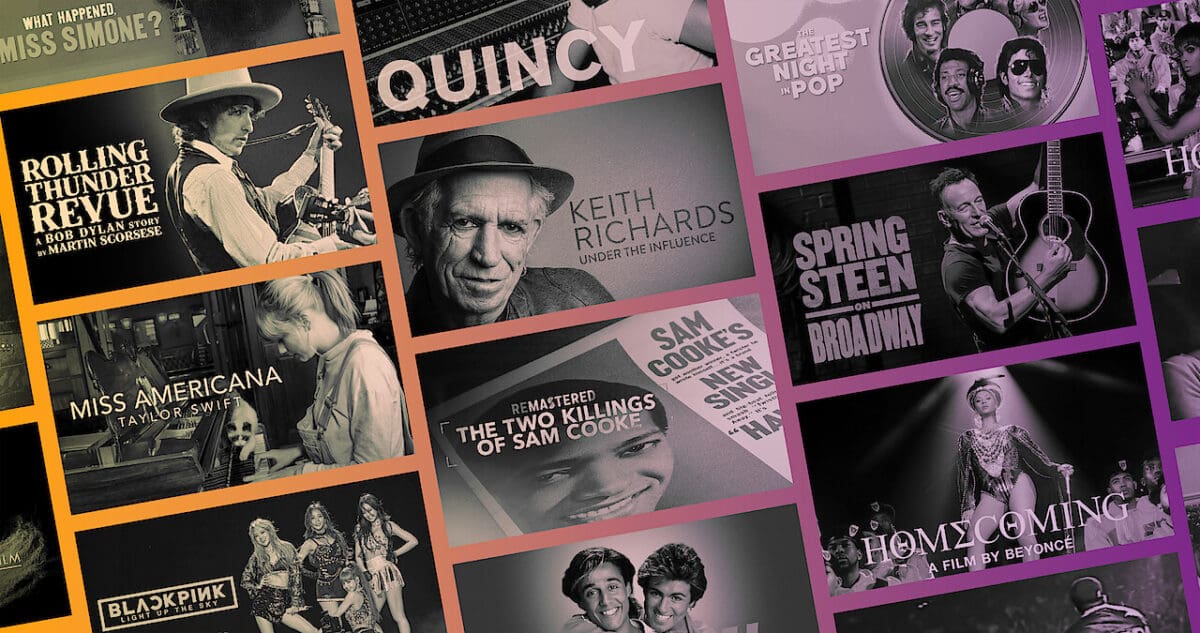

Whenever a giant platform makes a move, the industry panic button gets hit fast.
But here’s the reality, when a company the size of Netflix goes deeper into music, it doesn’t shrink the opportunity pool, it expands it.
And right now, all signs point to Netflix quietly laying the foundations for a much bigger role in music.
Not as a Spotify clone, not as a traditional label, but as something arguably more powerful.
Netflix Isn’t “Testing” Music Anymore, It’s Investing in It
Over the last 12 months, Netflix’s relationship with music has shifted from experimental to intentional.
Recent developments include, the launch of music focused competition shows including Building the Band, backed by heavyweight TV executives with deep music credentials, increased commissioning of music led documentaries, visual albums and artist driven storytelling, reported discussions around live music events and global broadcasts, and the creation of in house music licensing leadership roles focused on global rights, publishing and performance deals.
This isn’t accidental.
Netflix is building the internal infrastructure required to handle music at scale, creatively, legally and commercially.
That’s a huge signal.
Music Is the Perfect Fit for Netflix’s Next Growth Phase
Music solves several problems for Netflix at once.
It’s globally relatable, language barriers matter less, it drives repeat engagement, it’s cost-effective compared to premium drama, and it plugs directly into storytelling, emotion and culture.
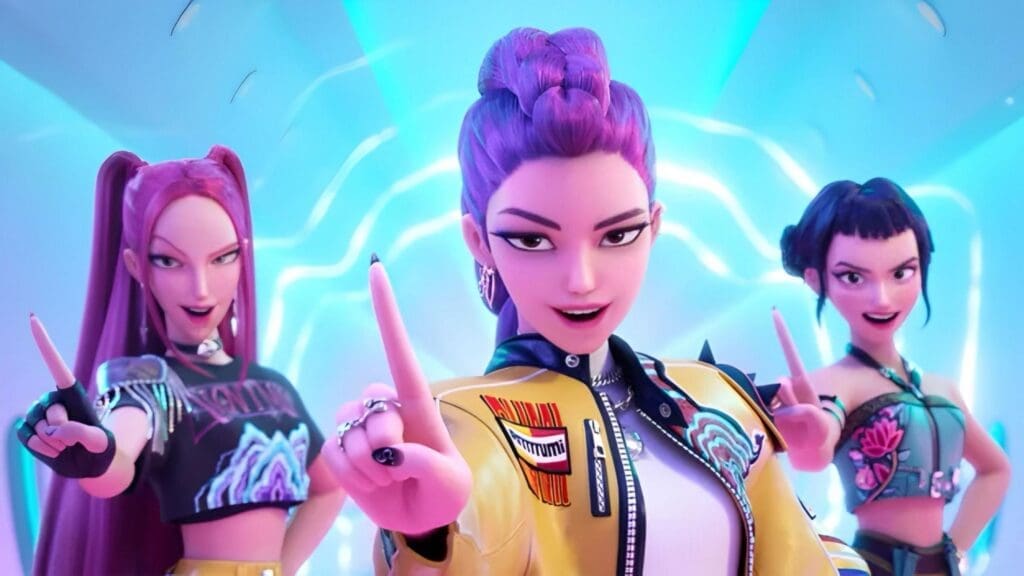
Recent releases like K-pop Demon Hunters proved just how powerful this combination can be, with songs from the film charting globally and outperforming many traditional artist releases.
Netflix executives have openly acknowledged that music-led originals are now breaking through culturally, not just performing well on the platform.
That matters.
Because cultural impact creates demand.
Yes, Big Artists Will Be First, But That’s Not the Real Story
Let’s be honest, Netflix will absolutely work with major artists, big catalogues and established rights holders.
That’s how credibility is built quickly.
But behind every series, documentary, reality format, international spin-off and live event, there’s a constant, growing need for background music, emerging sounds, genre-specific tracks, cost-effective sync solutions, and artists who own and control their rights.
This is where independent artists quietly win.
More Netflix Music Content = More Sync Demand
Netflix doesn’t operate in territories; it operates globally.
Which means, one placement can unlock worldwide exposure, one deal can cover dozens of markets, and one catalogue-ready track can outperform years of streaming grind.
As Netflix ramps up its unscripted content, live formats, and fast-turnaround productions, the volume of music required increases dramatically.
And that music has to come from somewhere.
Spoiler: it won’t all be chart-toppers.
What This Means for Independent Artists Right Now
If you’re an indie artist, producer or label, this shift rewards those who are prepared.
That means owning your masters, understanding sync and licensing, having clean metadata and clear rights, and thinking about music beyond streaming platforms.
Netflix’s scale means even a small placement can create a big ripple, streams, fans, press and long-term value.
A Word from Music Gateway
“When platforms like Netflix move deeper into music, it creates entirely new demand, not just for superstar artists, but for independent creators who are sync ready, rights aware and globally minded. This isn’t about replacing streaming, it’s about opening new revenue lanes for artists who understand how their music fits into film, TV and culture.”
Jon Skinner, CEO & Founder, Music Gateway
The Bottom Line
Netflix isn’t launching a music streaming app tomorrow.
But it is embedding music deeper into the world’s most powerful entertainment ecosystem.
For independent artists, that’s not a threat, it’s an invitation.
The winners won’t be the loudest voices on social media.
They’ll be the artists who understand rights, sync, storytelling and global opportunity.
And this next chapter?
It’s just getting started.