


Standing out as a musician is harder than ever with millions of new tracks released every year and attention spans shrinking fast. Yet while most artists scramble for social media likes, a powerful brand can make all the difference.
Artists with strong personal brands see up to 50 per cent higher engagement on their releases compared to those without. This is not about slick logos or fancy outfits. Real success comes from a combination of unique artistic identity, authentic imagery, and genuine connection that fans can instantly recognise.
Table of Contents
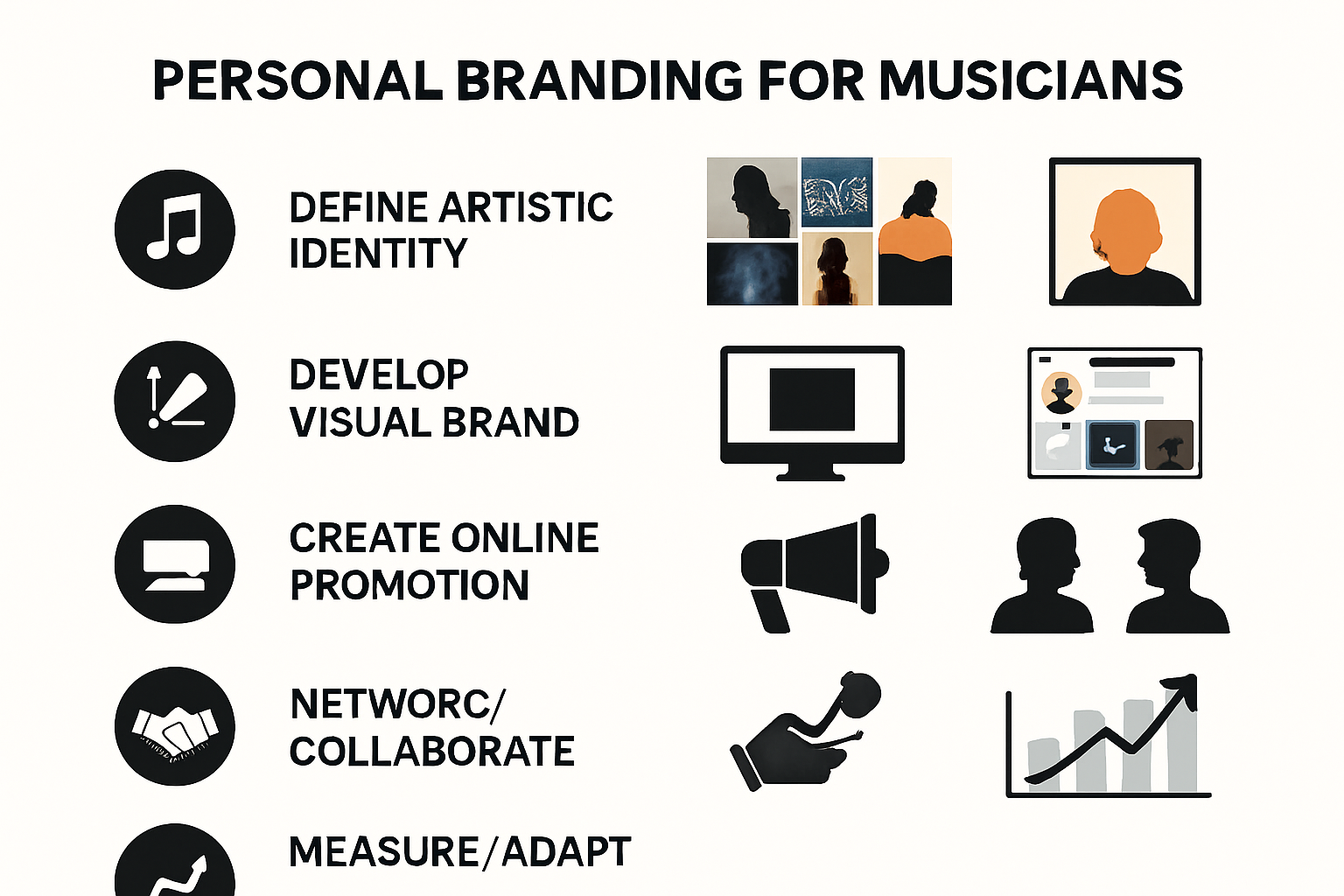
- Step 1: Define Your Unique Artistic Identity
- Step 2: Develop A Consistent Visual Brand
- Step 3: Create Engaging Online Presence
- Step 4: Promote Your Brand Strategically
- Step 5: Network And Collaborate With Industry Peers
- Step 6: Measure Your Brand’s Impact And Adapt
Quick Summary
| Key Point | Explanation |
|---|---|
| 1. Define Your Artistic Identity | Understand your unique musical style and story to stand out in the industry. |
| 2. Establish a Consistent Visual Brand | Create visual materials that convey your music’s emotional tone and aesthetic consistently. |
| 3. Build an Engaging Online Presence | Use social media to actively connect with fans, sharing behind-the-scenes and interactive content. |
| 4. Implement Strategic Promotion | Collaborate with others and use music platforms to enhance visibility and reach new audiences. |
| 5. Regularly Measure and Adapt Your Brand | Use digital analytics to understand audience engagement and refine your musical approach accordingly. |
Step 1: Define Your Unique Artistic Identity
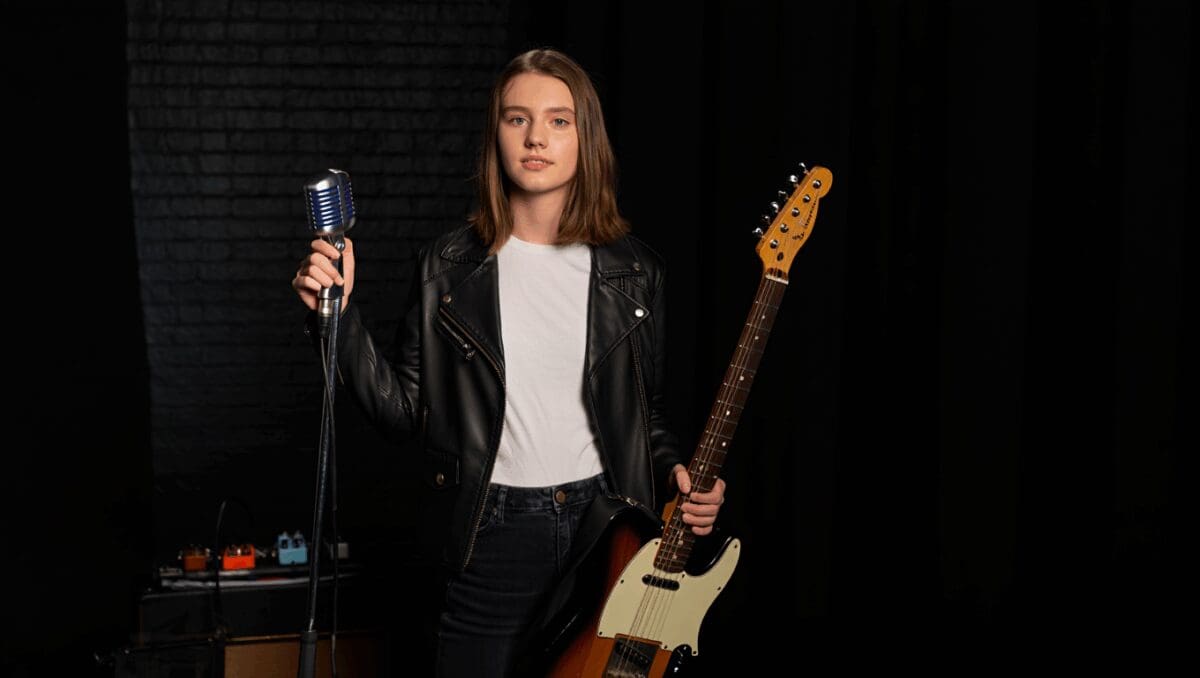
Your artistic identity is the secret sauce that transforms you from another musician into a memorable brand. Think of it as your musical DNA – the unique combination of sound, style, personality, and storytelling that sets you apart in a crowded music landscape.
Begin by conducting an honest self-assessment. What makes your music different? Are you the moody indie storyteller who weaves intricate narratives, or the high-energy electronic producer who creates dance floor bangers? Your artistic identity isn’t just about genre – it’s about the emotional landscape you create and the authentic story you tell.
Consider the artists who inspire you, but avoid mimicry. Instead, analyse what specific elements draw you to them. Is it their raw emotional vulnerability? Their technical precision? Their rebellious attitude? Use these insights as a compass, not a template. Your goal is to distil these influences into something entirely uniquely yours.
Visual branding plays a crucial role, too. Your aesthetic choices communicate volumes before anyone hears a single note. This includes your photography, social media style, stage presence, and even the way you discuss your music. A cohesive visual narrative reinforces your musical identity and helps fans connect with you on a deeper level.
Practical tip: Create a mood board that captures your artistic essence. Include images, colour palettes, fashion styles, and visual references that resonate with your musical persona. This isn’t just an artistic exercise – it’s a strategic tool for developing a consistent, recognisable brand that will help you stand out.
Remember, defining your artistic identity is an evolving process. Don’t aim for perfection, aim for authenticity. Your unique voice will emerge through consistent creative expression and a willingness to experiment.
Verification checklist for a strong artistic identity:
To help you ensure you’ve thoroughly addressed each phase of musician branding, use the checklist below to verify your progress after completing each step.
| Step | Verification Questions |
|---|---|
| Define Artistic Identity | Can you describe your musical persona in three words? Do your branding elements feel coherent? |
| Develop Visual Brand | Do all visual assets match your artistic universe? Are your colours and imagery recognisable? |
| Create Online Presence | Do profiles tell a cohesive story? Are you providing value and genuine connection on your platforms? |
| Promote Strategically | Have you identified collaborators? Can you measure promotional impact? Is it aligned with your identity? |
| Network and Collaborate | Have you attended events? Are you active in online communities? Do you have potential partners named? |
| Measure and Adapt | Have you set measurable goals? Are you tracking key metrics? Can you tell which content succeeds? |
- Can you describe your musical persona in three distinctive words?
- Do your visual and sonic branding feel coherent and genuine?
- Would a stranger listening to your music instantly recognise your unique style?
Ready to dive deeper into personal branding for musicians? Let’s keep building your musical empire.
Step 2: Develop a Consistent Visual Brand
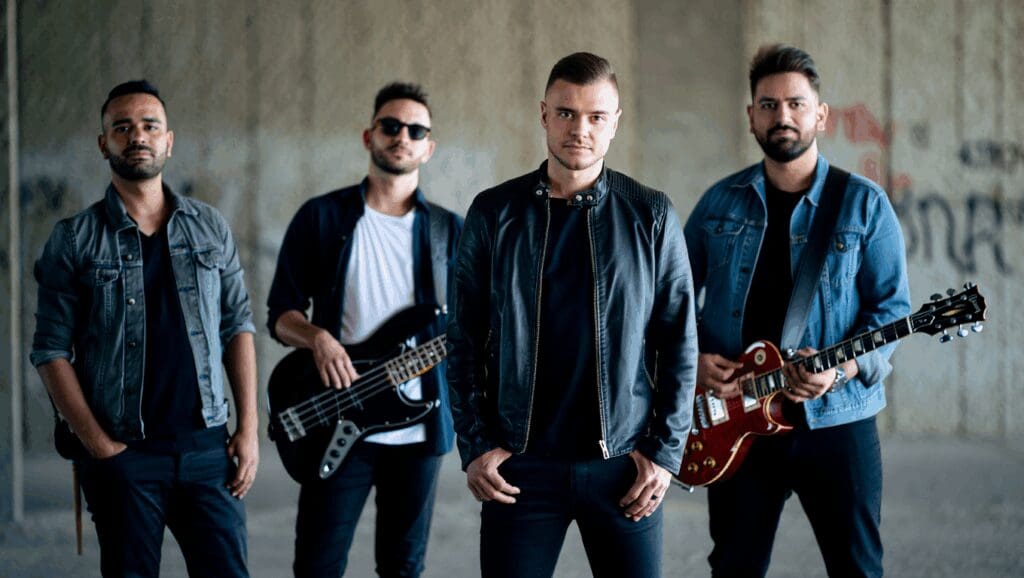
Your visual brand is the visual language that tells your musical story before a single note plays. Think of it as your artistic calling card – a powerful communication tool that transforms casual listeners into dedicated fans. Developing a consistent visual brand isn’t about looking perfect; it’s about looking authentically you.
Start by creating a comprehensive mood board that captures your artistic essence. This isn’t just a Pinterest collection – it’s a strategic blueprint for your visual identity. Collect images, colour palettes, typography, and visual references that resonate with your musical persona. Are you a moody indie folk artist? Your palette might lean towards muted earth tones and vintage photography. Electronic dance music producer? Sharp geometric designs and bold, electric colours could be your visual signature.
Photography plays a crucial role in your visual brand. Invest in high-quality, consistent imagery that reflects your musical identity. This doesn’t mean expensive photoshoots – smartphone cameras can create stunning visuals with the right approach. Consider your background, lighting, styling, and composition. Each photo should feel like a chapter in your artistic narrative, whether it’s candid studio shots, performance images, or carefully curated lifestyle pictures.
Social media platforms are your visual storytelling canvas. Develop a consistent aesthetic across platforms like Instagram, TikTok, and YouTube. This means creating a recognisable colour scheme, filter style, and visual approach that immediately signals ‘this is my brand’. Tools like VSCO or Canva can help musicians create professional-looking visual content without graphic design expertise.
Here is a summary of the main digital and offline tools and resources mentioned in the guide, including their suggested use for personal branding as a musician.
| Tool/Resource | Purpose | Section Mentioned |
|---|---|---|
| Mood Board | Capture artistic essence and visual direction | Steps 1 & 2 |
| Canva / VSCO | Create visual content and edit photos | Step 2 |
| Hootsuite / Buffer | Schedule and manage social media posts | Step 3 |
| Spotify Promotion | Amplify streaming presence and reach listeners | Step 3 & 4 |
| Email Marketing | Build mailing list and share exclusive updates | Step 4 |
| Music Gateway | Collaborate, network, and access promotion tools | Steps 4 & 5 |
| YouTube Analytics | Track views and engagement on video content | Step 6 |
| Instagram Insights | Analyse Instagram audience engagement | Step 6 |
| Spotify for Artists | Understand streaming data and audience demographics | Step 6 |
Your logo and typography are silent ambassadors of your brand. Even if you’re not a design expert, you can create a simple, memorable visual mark that represents your musical identity. Consider working with a freelance designer who understands musicians’ branding needs.
Verification checklist for a strong visual brand:
- Do all your visual assets feel like they belong to the same artistic universe?
- Can fans recognise your content without seeing your name?
- Does your visual brand reflect the emotional tone of your music?
Remember, consistency is key. Your visual brand is a promise to your audience about the experience they can expect from your music.
Step 3: Create An Engaging Online Presence
Your online presence is your global stage, where potential fans, industry professionals, and collaborators will discover and connect with your musical journey. This isn’t about creating a perfect digital persona, but about crafting an authentic, dynamic representation of your artistic identity across multiple platforms.
Choose your digital platforms strategically. While it’s tempting to be everywhere, focus on platforms that genuinely align with your musical style and audience. Instagram and TikTok work brilliantly for visually driven musicians, while YouTube remains crucial for music videos and live performance content. SoundCloud and Bandcamp offer direct connections with indie music communities, and Spotify Promotion can help amplify your streaming presence.
Content is king, but authenticity is the crown. Share behind-the-scenes glimpses of your creative process. Post short video clips of studio sessions, songwriting moments, or casual acoustic performances. These unfiltered snapshots create deeper connections with your audience, transforming passive listeners into engaged fans who feel personally invested in your artistic journey.
Engagement is a two-way street. Respond to comments, create interactive content like Q&A sessions, and show genuine interest in your followers. Your online community is not just an audience – they’re your musical support network. Use features like Instagram Stories, Twitter polls, or TikTok challenges to create interactive experiences that make fans feel like active participants in your musical world.
Consistent posting matters, but quality trumps quantity. Develop a content rhythm that feels natural and sustainable. This might mean 3-4 high-quality posts per week rather than daily low-effort content. Use scheduling tools like Hootsuite or Buffer to maintain a steady online presence without burning yourself out.
Verification checklist for a compelling online presence:
- Do your online profiles tell a cohesive story about your musical identity?
- Are you posting content that provides genuine value to your audience?
- Do your digital platforms feel interconnected and authentic?
Pro tip: Treat your online presence like a living, breathing extension of your musical creativity. It’s not about perfection, but about genuine connection.
Step 4: Promote Your Brand Strategically
Strategic promotion is the rocket fuel for your musical brand, transforming your artistic vision from a passionate project into a recognisable musical force. This isn’t about shouting the loudest, but about creating targeted, intelligent approaches that amplify your unique musical identity.
Collaboration is your secret weapon. Seek out musicians, producers, and content creators whose artistic vision complements yours. These partnerships aren’t just about expanding your audience – they’re about creating meaningful musical conversations. A cross-genre collaboration can introduce you to entirely new listener bases, breaking you out of algorithmic echo chambers.
Understand the power of Music Promotion platforms. Platforms like Spotify, SoundCloud, and Bandcamp aren’t just distribution channels – they’re musical ecosystems where strategic positioning can dramatically increase your visibility. Learn their algorithms, understand playlist curation mechanisms, and craft releases that are optimised for digital discovery.
Local and digital music scenes are equally important. Attend local gigs, network with venue owners, and build relationships with local music journalists. These offline connections can translate into powerful online momentum. Digital Radio Promotion can also help you reach listeners who might not discover you through streaming platforms.
Email marketing remains a potent tool often overlooked by emerging musicians. Build a mailing list that feels like an exclusive club, not a broadcast channel. Share behind-the-scenes stories, early access to tracks, and personal insights that make fans feel genuinely connected to your artistic journey.
Verification checklist for strategic brand promotion:
- Have you identified at least three potential collaboration partners?
- Are your promotional efforts consistent with your artistic identity?
- Can you track and measure the impact of your promotional activities?
Pro tip: Promotion is a marathon, not a sprint. Consistency, authenticity, and patience are your greatest allies in building a sustainable musical brand. Your unique sound is your strongest marketing tool.
Step 5: Network and Collaborate with Industry Peers
Networking isn’t schmoozing – it’s building your musical ecosystem. Think of industry connections as a complex web where every relationship could potentially transform your artistic journey. This isn’t about collecting business cards, but cultivating genuine professional relationships that can propel your musical career forward.
Start by identifying your tribe. Attend local gigs, music conferences, and industry workshops where you’ll meet producers, sound engineers, fellow musicians, and potential collaborators. Music PR professionals can be incredible allies in expanding your network. Don’t just wait to be introduced – be proactive, curious, and genuinely interested in others’ creative journeys.
Digital platforms are networking goldmines. LinkedIn, professional music forums, and genre-specific online communities offer incredible opportunities to connect with industry professionals. Join discussions, share insights, and demonstrate your passion and expertise. Platforms like Music Gateway can connect you with potential collaborators across the global music landscape.
Collaboration is the heartbeat of networking. Seek out musicians whose skills complement yours. A drum and bass producer might find magic collaborating with a jazz pianist. These unexpected partnerships not only create innovative music but expand your creative and professional horizons. Remember, collaboration is about mutual respect and shared artistic vision.
Maintain professional etiquette in all interactions. Follow up after meetings, send thank you messages, and be reliable. Your reputation spreads faster than your music in the interconnected music industry. One positive interaction can lead to multiple opportunities through word-of-mouth recommendations.
Verification checklist for effective networking:
- Have you attended at least one music industry event in the past six months?
- Are you actively engaging in online music communities?
- Can you name three potential collaboration partners?
Pro tip: Networking is a two-way street. Always ask how you can support others’ creative goals, not just what they can do for you. Your generosity will return tenfold in unexpected ways.
Step 6: Measure Your Brand’s Impact and Adapt
Your musical brand is a living, breathing entity that requires constant evolution. Measuring impact isn’t about obsessing over numbers, but understanding the nuanced story behind your digital and musical footprint. Think of analytics as your artistic compass, guiding you towards more authentic and resonant connections.
Digital platforms offer powerful insights. Spotify for Artists, YouTube Analytics, and Instagram Insights provide treasure troves of data about audience engagement. Pay attention to more than just follower counts. Look deeper at metrics like stream retention, audience demographics, geographic spread, and engagement rates. These numbers tell you who is genuinely connecting with your music, not just passively consuming it.
Music Marketing requires a holistic approach to measurement. Track your performance across multiple channels – streaming platforms, social media, live performances, and Music Distribution networks. Create a monthly dashboard that consolidates these insights, helping you spot trends, understand audience preferences, and identify which content resonates most powerfully.
Adaptability is your greatest strength. If data suggests certain types of content or musical styles generate more engagement, don’t be afraid to experiment. This doesn’t mean abandoning your artistic integrity, but rather understanding how to communicate your unique voice more effectively. A jazz musician might discover their experimental electronic remixes attract a broader audience, for instance.
Regular brand audits are crucial. Every quarter, review your digital presence, musical output, and audience feedback. Are you still telling the story you want to tell? Has your artistic vision evolved? Your personal branding should be a dynamic reflection of your creative journey, not a static billboard.
Verification checklist for brand impact measurement:
- Have you established clear, measurable goals for your musical brand?
- Are you tracking performance across multiple platforms?
- Can you identify your top-performing content and understand why it succeeds?
Pro tip: Numbers are helpful, but never let analytics diminish your creative spirit. Your passion and authenticity are your true competitive advantage.
Take the Next Step in Your Musical Journey with Professional Support
Building an authentic personal brand as a musician can feel overwhelming. You are faced with challenges like making your music stand out, curating a consistent visual identity, and reaching the right audience. The article highlighted how important it is to maintain a cohesive story and engage with your fans, but the process of music promotion, networking, and digital presence management can be complex and time-consuming for independent artists.
You do not have to face these hurdles alone. Music Gateway is built to empower musicians who want to enhance their impact and grow their brand without industry gatekeepers holding them back. Discover tailored tools for music promotion, access resources to elevate your artist profile, and gain support in everything from playlist submissions to digital advertising. Move beyond theory and experience professional results that match your ambition. Visit Music Gateway now and turn your branding efforts into real opportunities for recognition. Your next breakthrough could be just a click away.
Frequently Asked Questions
How can I define my unique artistic identity as a musician?
Start by conducting a self-assessment of what makes your music distinct. Consider your genre, sound, and storytelling style, and explore how your influences can shape a voice that is authentically yours.
What elements should I focus on when developing a visual brand?
Focus on creating a cohesive aesthetic that includes your colour palette, photography style, and overall visual representation. Invest in high-quality imagery that reflects your musical identity and maintains consistency across all platforms.
How can I effectively engage with my online audience?
Share authentic content that offers behind-the-scenes glimpses into your creative process. Interact with followers by responding to comments and creating engaging content like Q&A sessions or challenges to make fans feel part of your musical journey.
What strategies can I use for promoting my music brand?
Engage in collaborations with other artists and utilize music promotion platforms to reach a wider audience. Implement email marketing techniques to build a connection with fans, sharing exclusive content and insights to keep them engaged.