

Every musician dreams of building a loyal fanbase that actually listens and cares. It’s easy to think you just need killer tracks and a catchy logo to make that happen. But here’s the shocker. 90 percent of artists never reach their true audience online because they ignore the basics of social media strategy. The secret sauce isn’t just making good music. It’s crafting an unmistakable digital identity that gets people hooked before they’ve even heard a note.
Table of Contents
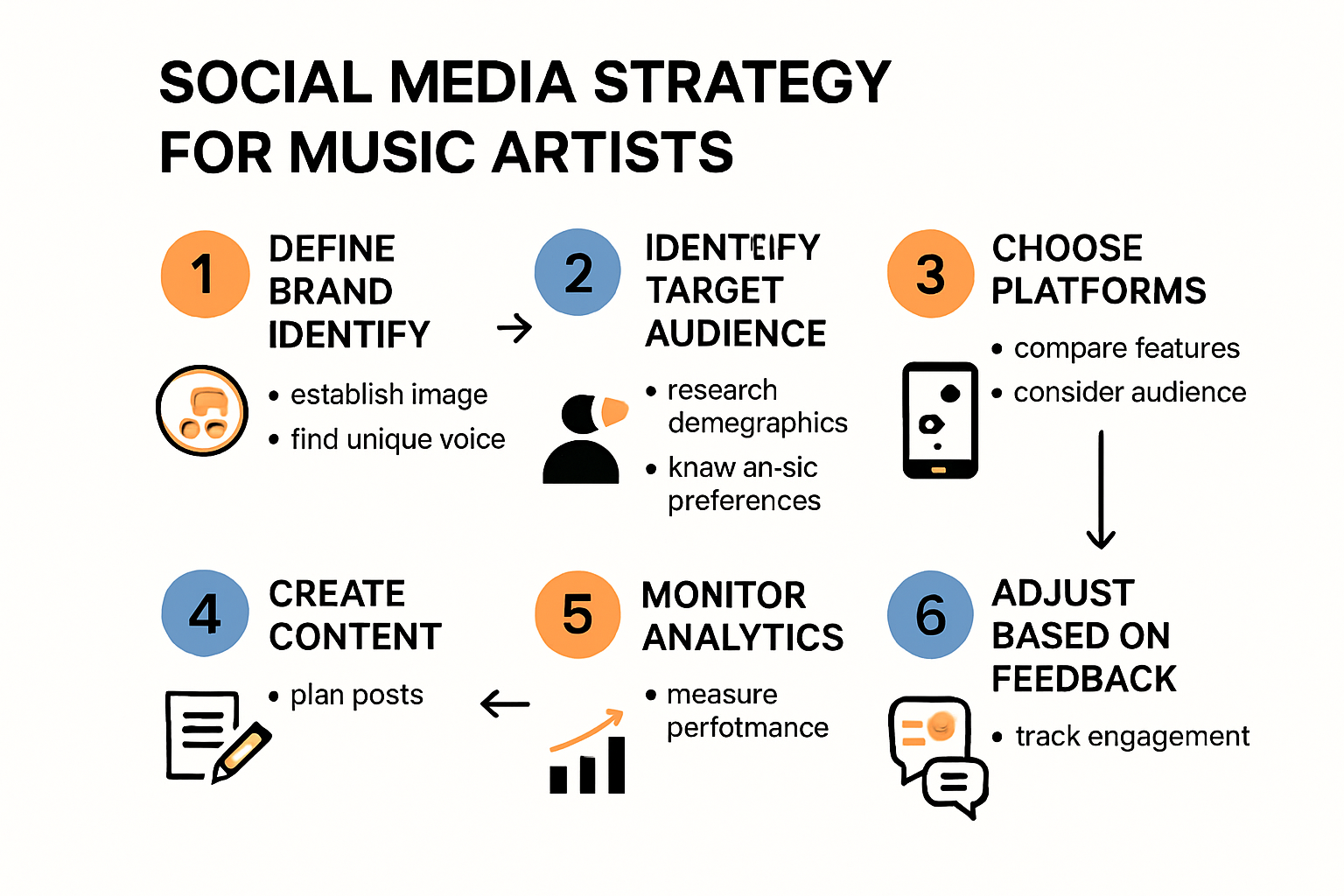
- Step 1: Define Your Brand Identity
- Step 2: Identify Your Target Audience
- Step 3: Choose Your Social Media Platforms
- Step 4: Create Engaging Content
- Step 5: Monitor Engagement And Analytics
- Step 6: Adjust Strategy Based On Feedback
Quick Summary
| Key Point | Explanation |
|---|---|
| 1. Define Your Unique Brand Identity | Your brand should authentically reflect your musical essence, style, and persona to create immediate recognition. |
| 2. Know Your Target Audience Thoroughly | Understand the tastes and behaviours of your ideal fans to tailor your social media strategies effectively. |
| 3. Choose Platforms Wisely | Select social media platforms based on where your audience engages most, rather than trying to be everywhere. |
| 4. Create Engaging, Authentic Content | Share genuine moments and diverse content types to connect with fans and transform followers into supporters. |
| 5. Monitor Analytics for Insights | Use analytics to track engagement and refine your strategy based on what content resonates most with your audience. |
Step 1: Define Your Brand Identity
Before diving headfirst into the digital music world, you need a rock-solid brand identity that screams “this is me” louder than a punk rock anthem. Your brand isn’t just a logo or a colour scheme – it’s the magical digital mixtape that represents your entire musical persona.
Imagine your brand as the musical equivalent of your best mate who tells your story when you’re not in the room. What makes you unique? Are you the moody indie songwriter crafting heart-wrenching ballads, or the electronic wizard creating beats that make people lose their minds in clubs? Your brand needs to capture that essence authentically.
Start by examining your musical style, personal aesthetic, and the emotional landscape of your sound. This isn’t about creating a fake persona, but amplifying the most compelling parts of your artistic self. Think about musicians who’ve nailed their brand identity – Arctic Monkeys with their quintessential Sheffield swagger, or Adele’s raw emotional storytelling. They didn’t just create music; they created entire worlds around their art.
Consider developing a consistent visual language across your social platforms. This means matching colour palettes, photography styles, and graphic design that reflect your musical genre and personality. If you’re a folk artist, perhaps earthy tones and natural imagery work best. Electronic music might demand sleek, futuristic visuals. The goal is creating immediate recognition – so when someone scrolls past your content, they know it’s you without reading a single word.
Remember, your brand identity isn’t static. It should evolve as you grow musically, but maintain a core authenticity that fans can connect with. Fans don’t just buy music – they buy into stories, emotions, and identities. Your social media strategy will be the canvas where you paint this narrative, one post at a time.
Verify you’re on the right track by asking yourself: Would a stranger understand who I am as an artist from my social media presence? If the answer is yes, you’re ready to move forward. If not, keep refining until your digital self feels as genuine as your musical self.
Use the checklist below to verify successful completion of each stage in your social media strategy as a music artist.
| Step | Verification Question |
|---|---|
| Define Your Brand Identity | Would a stranger understand who I am as an artist from my social media presence? |
| Identify Your Target Audience | Can I describe my ideal listener in vivid, specific detail? |
| Choose Your Social Media Platforms | Can I consistently create engaging content on these platforms that genuinely reflects my musical brand? |
| Create Engaging Content | Would I be excited to follow an artist posting this content? |
| Monitor Engagement and Analytics | Can I describe exactly what content resonates with my audience and why? |
| Adjust Strategy Based on Feedback | Am I making changes that feel authentic to my musical identity while also addressing my audience’s preferences? |
Step 2: Identify Your Target Audience
Knowing your audience is like having a secret musical map that guides your entire social media strategy. Just as a brilliant pub landlord knows exactly what drinks their regulars prefer, you need to understand the sonic preferences of your potential fans.
Think beyond basic demographics. Your target audience isn’t just an age range or geographic location – they’re a living, breathing community with specific musical tastes, emotional landscapes, and digital consumption habits. Imagine you’re creating a sonic profile of your ideal listener. Are they the type who discovered your genre through a mate’s playlist? Do they stream music while commuting, working out, or nursing a broken heart?
Digital tools can be your ally in this detective work. Platforms like Spotify for Artists provide incredible insights into listener demographics, showing you precisely who’s vibing to your tracks. Streaming analytics reveal critical information: age groups, geographical spread, which songs resonate most, and even when people are listening to your music. This isn’t just data – it’s a treasure map to your potential fan base.
Dive deeper by exploring online communities related to your musical genre. Reddit forums, genre-specific Facebook groups, and niche music blogs can offer extraordinary insights. Pay attention to the conversations, the language, and the emotional triggers that make these communities tick. What are they discussing? What music makes them passionate? These insights are worth their weight in gold when crafting your social media approach.
Consider creating listener personas – detailed fictional representations of your ideal fans. Give them names, backstories, musical preferences. Perhaps you’ve got “Sarah”, a 27-year-old graphic designer who loves indie folk and discovers new music through Instagram reels. Or “Jack”, a university student who lives for electronic beats and discovers tracks through TikTok dance challenges.
Verify you’ve nailed your target audience by asking: Can I describe my ideal listener in vivid, specific detail? If you can paint a clear picture of who they are, what they love, and how they consume music, you’re on the right track. Your social media strategy will transform from a shot in the dark to a precisely aimed musical arrow, ready to hit the bullseye of audience engagement.
Step 3: Choose Your Social Media Platforms
Choosing your social media platforms isn’t about being everywhere – it’s about being strategically brilliant where your audience actually hangs out. Think of these platforms like different musical venues, each with its own vibe, crowd, and performance style.
Instagram is the glamorous concert hall where visual storytelling reigns supreme. If your music has a strong aesthetic or you’re a performer who loves creating visually stunning content, this platform could be your musical playground. Short video clips, behind-the-scenes moments, and carefully curated imagery can transform your profile into a magnetic digital stage.
Below is a comparison of major social media platforms for music artists, summarising each platform’s strengths and their recommended artistic use.
| Platform | Best For | Key Features/Advice |
|---|---|---|
| Visual storytelling | Great for sharing curated images, short videos, and visual brand building | |
| TikTok | Viral short form content | Leverage for catchy, quick clips and trends; prioritises creativity & hooks |
| YouTube | Long-form video & storytelling | Ideal for music videos, documentaries, performance sessions; needs consistency |
| Real-time interaction | Direct fan engagement, quick updates, industry conversations | |
| Spotify | Music distribution & analytics | Use for playlisting, profile optimisation, listener insights |
TikTok, meanwhile, is like the wildest underground club where viral moments are born. Perfect for musicians creating catchy, shareable content that can spread faster than gossip in a small town. Electronic producers, pop artists, and anyone with a knack for creating addictive 15-second hooks can absolutely dominate this platform. The algorithm loves authenticity and creativity, so don’t be afraid to show your genuine musical personality.
For more serious musical discourse and community building, YouTube remains the ultimate platform. Here you can upload full music videos, acoustic sessions, documentary-style content about your musical journey, and long-form performances. Consistency is key – regular uploads help build a dedicated subscriber base who are genuinely invested in your musical evolution.
Twitter offers a more conversational space where you can engage directly with fans, share quick updates, and participate in music industry conversations. It’s less about polished content and more about raw, immediate communication. Think of it as the green room where you chat candidly with your audience.
Spotify, while not traditionally a social media platform, is crucial for music distribution. Spotify Promotion can help you optimize your artist profile, create compelling playlists, and understand your listener analytics.
Verify your platform strategy by asking: Can I consistently create engaging content on these platforms that genuinely reflects my musical brand? If you’re feeling overwhelmed, start with one or two platforms where you can truly shine. Quality always trumps quantity in the digital music world.
Step 4: Create Engaging Content
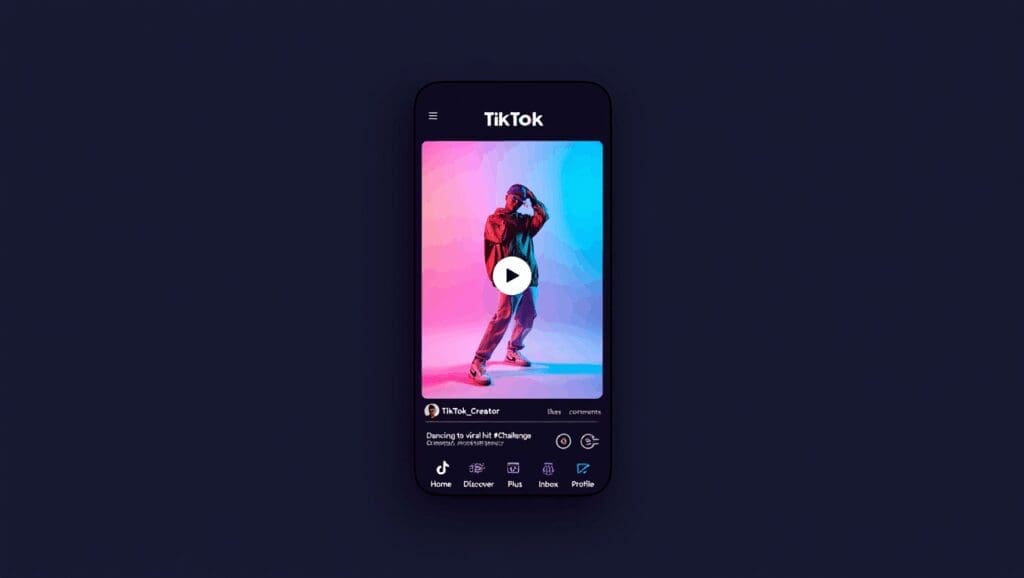
Creating engaging content is like brewing the perfect pint – it requires skill, passion, and a deep understanding of what makes your audience come back for more. Your social media isn’t just a promotional billboard; it’s a storytelling platform that connects your musical soul with potential fans.
Authenticity is your secret weapon. Fans aren’t looking for polished perfection, but genuine moments that reveal the human behind the music. Share your creative process, the weird backstage moments, the struggles of writing a track at 3 am while surviving on pot noodle dinners. These glimpses into your musical world transform followers from passive listeners to active supporters.
Think about content diversity. One day you might share a raw acoustic session recorded in your living room, the next a behind-the-scenes video of your recording process. Mix up your content types to keep your audience intrigued. Short, punchy video clips work brilliantly on platforms like TikTok, while longer, more reflective pieces might find their home on YouTube or Instagram.
Interaction is the lifeblood of social media. Respond to comments, create interactive stories, and host live Q&A sessions. Imagine your social media as a digital pub where fans can chat directly with you. Run polls about potential song titles, ask followers which track they want to hear live, or share snippets of unreleased music to build anticipation.
Consider the emotional journey you want to take your audience on. Are you telling a story through your music? Use your social platforms to extend that narrative. Each post should feel like a chapter in your musical autobiography, giving fans a reason to stay invested in your journey.
Remember Music Marketing isn’t about constant self-promotion, but creating a community. Your content should spark conversation, evoke emotion, and make people feel connected to your artistic vision.
Verify your content strategy by asking: Would I be excited to follow an artist posting this content? If the answer is a resounding yes, you’re on the right track. Your social media should feel like an extension of your music – raw, genuine, and impossible to ignore.
Step 5: Monitor Engagement and Analytics
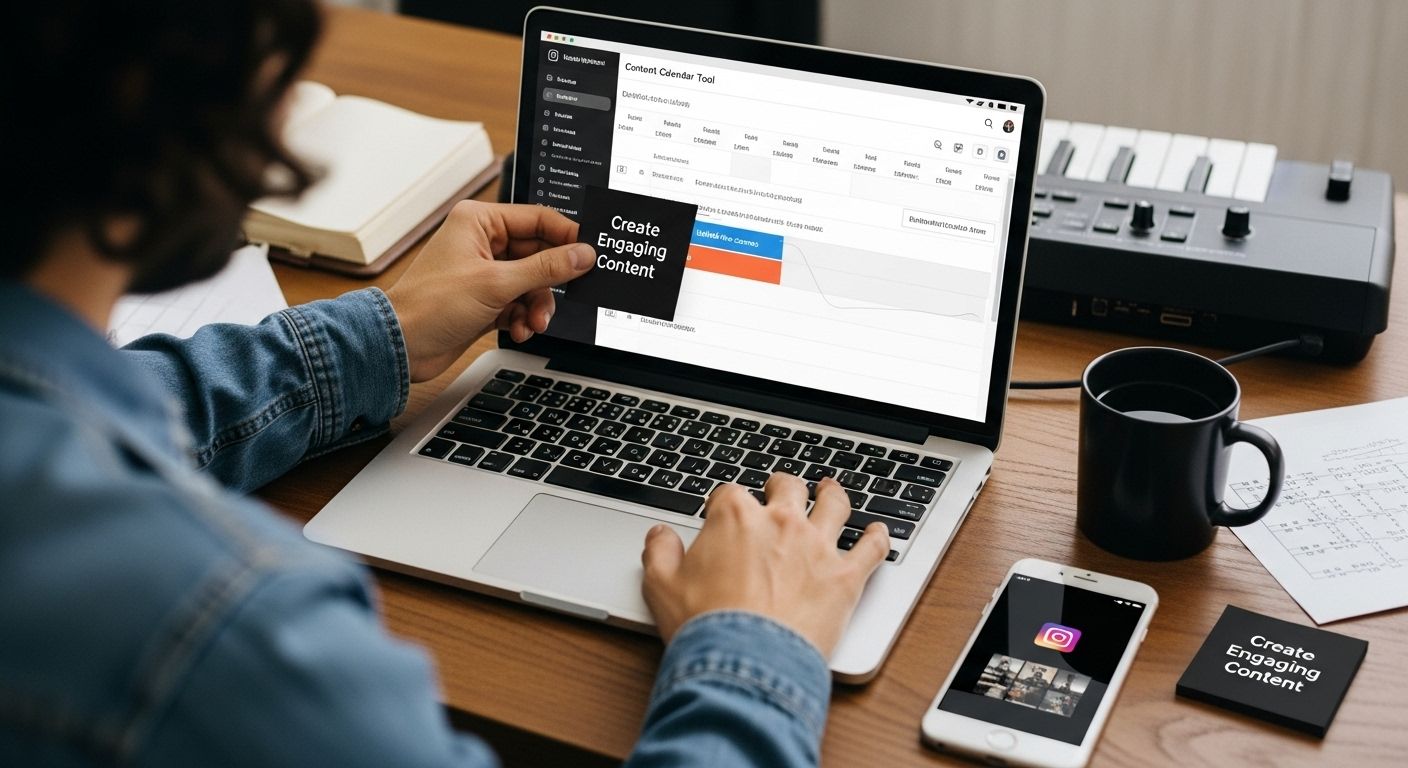
Analytics aren’t just boring numbers – they’re the secret decoder ring that reveals exactly how your audience is experiencing your musical journey. Think of these metrics like a musical sat nav, guiding you through the complex landscape of social media strategy.
Spotify for Artists and platform-specific analytics are your new best mates in this mission. These tools provide extraordinary insights beyond simple follower counts. You’ll discover which tracks are making people stop scrolling, what times your audience is most active, and the geographical spread of your listeners. It’s like having a crystal ball that shows precisely how your music is connecting with people around the world.
Engagement isn’t just about likes and shares. Look deeper into the emotional responses your content generates. Are people commenting with personal stories? Are your tracks being added to playlists? Are fans tagging their friends? These interactions are the real currency of social media success. A single passionate comment can be worth more than a hundred passive likes.
Consider using third-party analytics tools that provide more comprehensive insights across multiple platforms. These can help you track your overall social media performance, showing trends and patterns that individual platform analytics might miss. You’re essentially becoming a data detective, uncovering the musical mysteries of your audience’s behaviour.
Don’t get paralysed by the numbers. Analytics are a guide, not a gospel. Some weeks your content might perform differently, and that’s perfectly normal. The key is consistent observation and gentle course correction. Are certain types of posts generating more interaction? Do your acoustic snippets perform better than full band recordings? These insights help you refine your content strategy.
Music Promotion becomes significantly more effective when you understand your audience’s digital behaviour. By tracking these metrics, you’re not just broadcasting – you’re having a sophisticated, data-informed conversation with your fans.
Verify your analytics strategy by asking: Can I describe exactly what content resonates with my audience and why? If you can answer that question confidently, you’re transforming from a musician posting into the market into a strategic digital artist.
Step 6: Adjust Strategy Based on Feedback
Adjusting your social media strategy is like tuning a musical instrument – it requires constant, delicate refinement. Your fans are providing a goldmine of insights with every comment, share, and interaction, and ignoring these signals is like playing a gig with earplugs in.
Listen actively to your audience’s feedback, not just the loud voices, but the subtle whispers too. A single thoughtful comment might reveal more about your musical direction than a hundred superficial likes. Are fans requesting more behind-the-scenes content? Do they resonate more with your acoustic sessions than full band performances? These nuggets of information are your strategic compass.
Don’t be afraid to experiment and pivot quickly. The digital music landscape moves faster than a punk rock drumbeat. If a particular type of content isn’t landing, drop it faster than a dodgy record deal. Your willingness to adapt is what separates successful artists from those stuck playing the same old tune.
Consider creating direct feedback mechanisms. Host Instagram story polls, run Twitter (X) Q&A sessions, or create community threads where fans can share honest opinions. Make your audience feel like collaborators in your musical journey, not just passive consumers. This approach transforms followers into a supportive, engaged community that feels genuinely invested in your success.
Remember that Music Marketing isn’t about pleasing everyone, but finding your true fans. Not every piece of feedback requires action. Learn to distinguish between constructive insights and noise. Your artistic integrity matters more than chasing every passing trend.
Technology can be your ally in this process. Use analytics tools to track not just engagement rates, but sentiment and qualitative feedback. Are comments becoming more enthusiastic? Are fans sharing your content more frequently? These are signs that your strategy is resonating.
Verify your adjustment strategy by asking: Am I making changes that feel authentic to my musical identity while also addressing my audience’s evolving preferences? If you can confidently say yes, you’re not just creating music – you’re building a dynamic, responsive artistic ecosystem. Keep your ears open, your mind flexible, and your passion burning bright.
Take Your Social Media Strategy from Plan to Performance
You have put the effort into defining your brand identity, understanding your audience, building creative content, and learning from analytics. Yet, the real challenge is turning a strong social presence into tangible growth. Countless independent music artists struggle to break past online noise and navigate complex processes like playlist submissions, digital advertising and effective music promotion. It can feel overwhelming to manage everything on your own, especially when the competition is fierce and traditional industry gatekeepers hold tight to the keys.
Music Gateway is here to bridge that gap. With tailored solutions across Music Promotion, digital distribution, and playlist support, we remove barriers and equip you with industry-standard tools designed for independent artists. Our expert team helps translate your social engagement into real-world results, letting you focus on your music while we handle the complexities behind the scenes. Ready to see your social strategy deliver real opportunities and audience growth? Discover how Music Gateway can power your music career and take the next step towards standing out in a crowded market. Start your journey today for results you can hear.
Frequently Asked Questions
How do I define my brand identity as a music artist?
To define your brand identity, examine your musical style, personal aesthetic, and the emotions you convey through your music. It’s about amplifying your authentic self while creating a consistent visual language across your social media platforms to ensure recognisability.
Why is identifying my target audience important for my social media strategy?
Identifying your target audience helps tailor your content to their preferences and behaviours. Understanding their listening habits and digital consumption can guide your engagement efforts and content creation, making it more effective.
Which social media platforms should I focus on as a musician?
Choose social media platforms strategically based on where your audience engages most. Instagram works well for visual storytelling, TikTok is ideal for viral content, YouTube is best for long-form videos, and Twitter facilitates direct conversations with fans.
How can I create engaging content that resonates with my fans?
Creating engaging content involves sharing authentic experiences, mixing different types of posts (like acoustic sessions and behind-the-scenes glimpses), and actively interacting with your audience through comments and polls. This helps to build a genuine community around your music.
Recommended
- Social Media for Businesses: Effective Strategies for 2025|BM
- What is Social Media Management: A Comprehensive Guide – Solution for Guru
- How to Discover New Artists: A Step-by-Step Guide