

Every year, record labels receive hundreds of demo submissions from eager musicians hoping to get noticed. Most of those tracks vanish into the digital ether, never to be heard from again. Strangely enough, sending more demos often hurts your chances rather than helps, because success comes not from playing a numbers game, but from mastering the overlooked art of strategic targeting.
Table of Contents
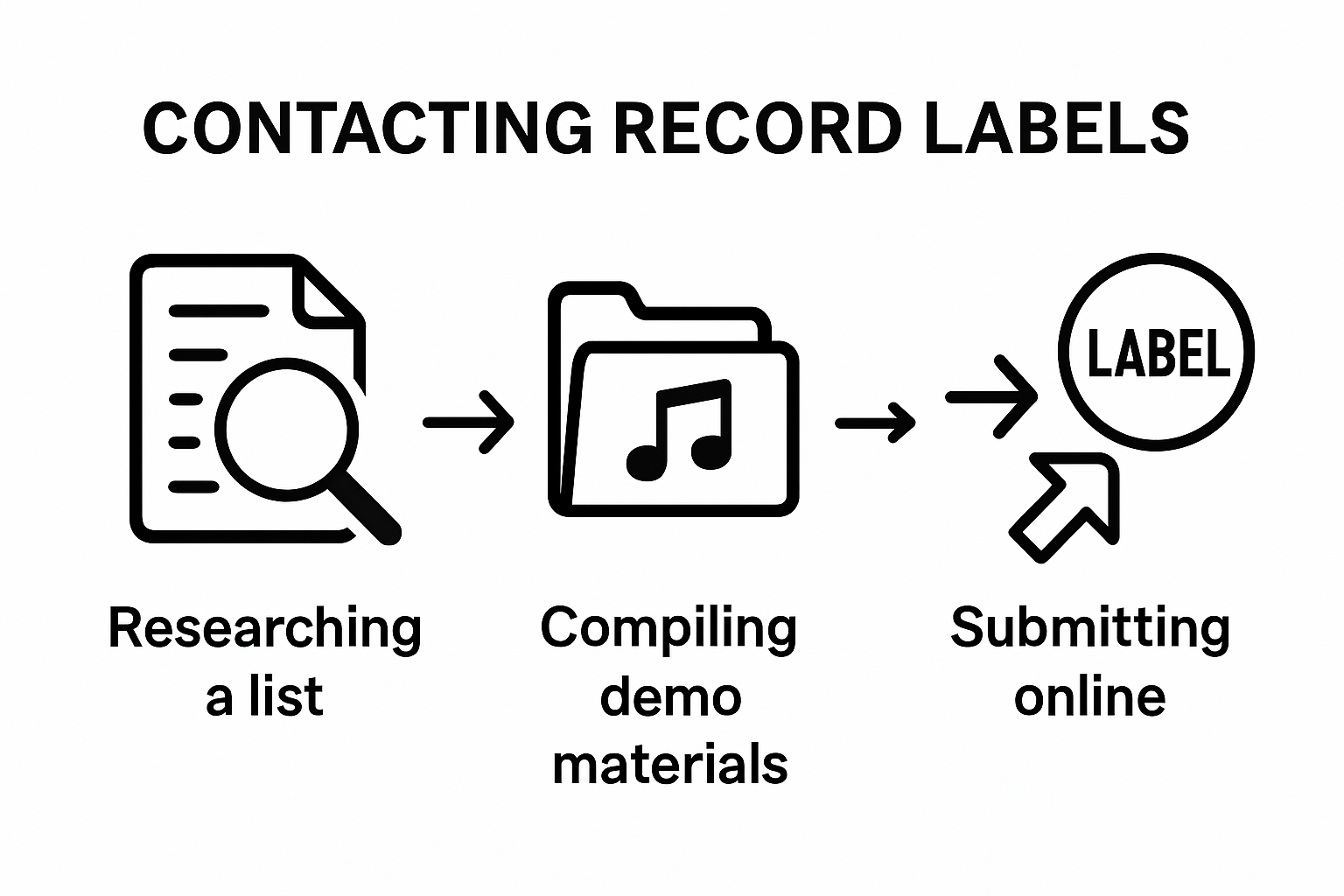
- Step 1: Research Target Labels And Contacts
- Step 2: Prepare Your Demo Materials
- Step 3: Craft An Engaging Submission Email
- Step 4: Submit Your Demo Through The Appropriate Channels
- Step 5: Follow Up Tactfully
- Step 6: Evaluate Feedback And Adjust Future Submissions
Quick Summary
| Key Point | Explanation |
|---|---|
| 1. Research labels matching your genre | Identify labels aligned with your music style to increase submission success rates. |
| 2. Prepare high-quality demo materials | Select and polish 3-4 strongest tracks with professional mixing and mastering for a compelling presentation. |
| 3. Personalise your submission email | Tailor your emails to specific labels, showing knowledge of their roster and expressing genuine interest. |
| 4. Follow submission guidelines carefully | Adhere to each label’s specific demo submission protocols to maintain professionalism and respect. |
| 5. Gather and act on feedback received | Use feedback to refine your music and future submissions, treating criticisms as opportunities for growth. |
Step 1: Research Target Labels and Contacts

Before you blast out your magical digital mixtape to every record label in existence, you’ll want to get strategic about your demo submissions. Think of this stage like carefully selecting ingredients for a perfect Sunday roast – precision matters.
Research isn’t just scrolling through Wikipedia or randomly Googling “record labels that might like my music”. You need a targeted approach that transforms your demo from another digital file into a potential breakthrough moment. Start by identifying labels that genuinely align with your musical genre and artistic vision. This means diving deep into the musical ecosystems where your sound would naturally fit.
Genre Matching is Crucial
Spend time investigating labels that have previously signed artists similar to your musical style. Pay attention to their current artist roster, recent releases, and the specific sub-genres they champion. A folk label won’t be interested in your heavy metal track, just like a classical music imprint won’t give your electronic banger a second glance.
Utilise platforms like Discogs, music industry directories, and specialist music forums to compile a targeted list of potential labels. Look for smaller, independent labels that are more likely to take risks on emerging talent. They’re often more open to discovering new artists compared to massive corporate music machines.
Next, get granular about your contact strategy. You’re not just sending a generic email into the digital void. Research the specific A&R representatives or demo submission contacts for each label. Follow their preferred submission guidelines religiously – some want SoundCloud links, others prefer private streaming platforms, and a few might still want physical CDs (imagine that in 2023!).
Pro tip: Use Music Gateway’s Music Promotion services to help refine your targeting and increase your chances of getting noticed. Our platform provides insights that can transform your demo submission from a shot in the dark to a calculated strategy.
Remember, this research phase isn’t about sending hundreds of demos. It’s about finding the right musical home for your sound. Quality over quantity, every single time.
Step 2: Prepare Your Demo Materials
Now that you’ve identified potential labels, it’s time to polish your musical calling card. Preparing demo materials isn’t just about throwing together a few tracks and hoping for the best. It’s about crafting a professional musical package that screams “I’m serious about my art” without sounding like a desperate plea.
Your demo should be a surgical strike of musical precision. Start by selecting 3-4 of your strongest tracks that represent your absolute best work. These aren’t just random songs – they’re your musical DNA, the sonic equivalent of a first impression in a job interview. Choose tracks that showcase your unique sound, technical skill, and potential for growth.
Technical Quality Matters
Sound quality is non-negotiable. If your recording sounds like it was made in a cupboard using a potato and some string, you’re already shooting yourself in the foot. Invest time in professional mixing and mastering. This doesn’t mean you need a £10,000 studio setup, but it does mean ensuring your tracks are clean, balanced, and radio-ready. Consider working with a local sound engineer or using affordable online mixing services to elevate your sound.
Prepare a concise artist biography that tells your story without turning into a novel. Think of it like writing a dating profile for your music – intriguing, honest, and leaving them wanting more. Include key achievements, musical influences, and what makes your sound unique. But for the love of all that is holy, keep it under 250 words.
Create a professional digital press kit that includes high-quality press photos, your biography, track listings, and contact information. Check out our guide on music demos for more detailed insights into creating a standout press kit. Your digital package should look as polished as your music sounds.
Format is crucial. Most labels prefer streaming links over massive file attachments. Use platforms like SoundCloud or Dropbox to create professional, easy-to-access links. Include a brief, professional email that introduces yourself and explains why your music fits their label.
Last pro tip: Proofread everything. A single typo can make you look unprofessional faster than you can say “oops”. Your demo materials are your musical business card – make them count.
Below is a checklist table to help ensure your demo submission is professional and complete before sending to record labels.
| Checklist Item | Details | Completed (Yes/No) |
|---|---|---|
| Selected 3-4 strongest tracks | Tracks best represent your sound and potential | |
| Professional mixing/mastering | Sound quality is clean, balanced, and radio-ready | |
| Concise artist biography | Under 250 words, includes key achievements and style | |
| High-quality press photos | Professional images included in the press kit | |
| Digital press kit prepared | Packaged with biography, photos, tracklist, contacts | |
| Streaming/demo links ready | Links are reliable and easy to access (e.g. SoundCloud) | |
| Proofread all materials | Checked for typos and errors throughout |
Step 3: Craft an Engaging Submission Email
Your submission email is the musical equivalent of a first date – you want to be charming, confident, and memorable without coming across as desperate or weird. This isn’t just another email; it’s your golden ticket to potentially transforming your musical career.
Start by personalising your approach. Generic, copy-paste emails are about as appealing as a lukewarm pot noodle. Address the recipient by name, demonstrate you’ve done your homework about their label, and show genuine enthusiasm for their musical roster. Mention a specific artist they’ve signed that resonates with your sound – this proves you’re not just another random musician firing off emails into the digital void.
Your email structure should be tighter than your favourite skinny jeans. Begin with a crisp, attention-grabbing opening that introduces who you are in two sentences max. Think of it like a musical elevator pitch – concise, intriguing, and leaving them wanting more. Explain briefly why your music might be a perfect fit for their label, highlighting your unique sonic fingerprint.
The body of your email needs to be a surgical strike of information. Briefly describe your musical journey, mentioning any significant achievements or interesting backstory that sets you apart. If you’ve played notable gigs, received critical acclaim, or have a compelling narrative, now’s the time to share. But remember, this isn’t your life story – keep it punchy and relevant.
Include your streaming links prominently, making it brain-dead simple for them to listen. Learn more about effective music promotion strategies that can complement your submission approach. Provide direct, clickable links to your best tracks, ensuring they’re set to public and easily accessible.
Close your email with a clear, confident call to action. Express your genuine interest in their feedback, but don’t sound desperate. Something like, “I’d love the opportunity to discuss how my music might align with your label’s vision” works brilliantly. Always thank them for their time and keep the entire email under 250 words.
Proofread obsessively. A single typo can transform your professional submission into a comedy routine. Your email is your musical business card – make it count.
Step 4: Submit Your Demo through the Appropriate Channels
Submitting your demo isn’t a one-size-fits-all process. Each label, publication, and music platform has its own unique submission protocol – think of it like navigating a complex musical maze where one wrong turn could send your carefully crafted tracks into the digital abyss.
Before hitting send, meticulously review each label’s specific submission guidelines. Some want private SoundCloud links, others prefer WeTransfer files, and a few might still request physical CDs (yes, those shiny circular things from the prehistoric era of music). Precision is your best friend here. Follow their instructions with the same attention to detail you’d apply to crafting the perfect guitar riff.
Many labels have dedicated demo submission portals or email addresses. Never – and I mean never – send your demo to a generic info@ email or, worse, try sliding into an A&R representative’s personal inbox. That’s the musical equivalent of gate-crashing a private party. Professional channels exist for a reason. Use them.
Learn more about demo submission strategies to refine your approach. Your submission should feel like a perfectly wrapped gift – clean, professional, and intriguing enough to make them want to unwrap it immediately.
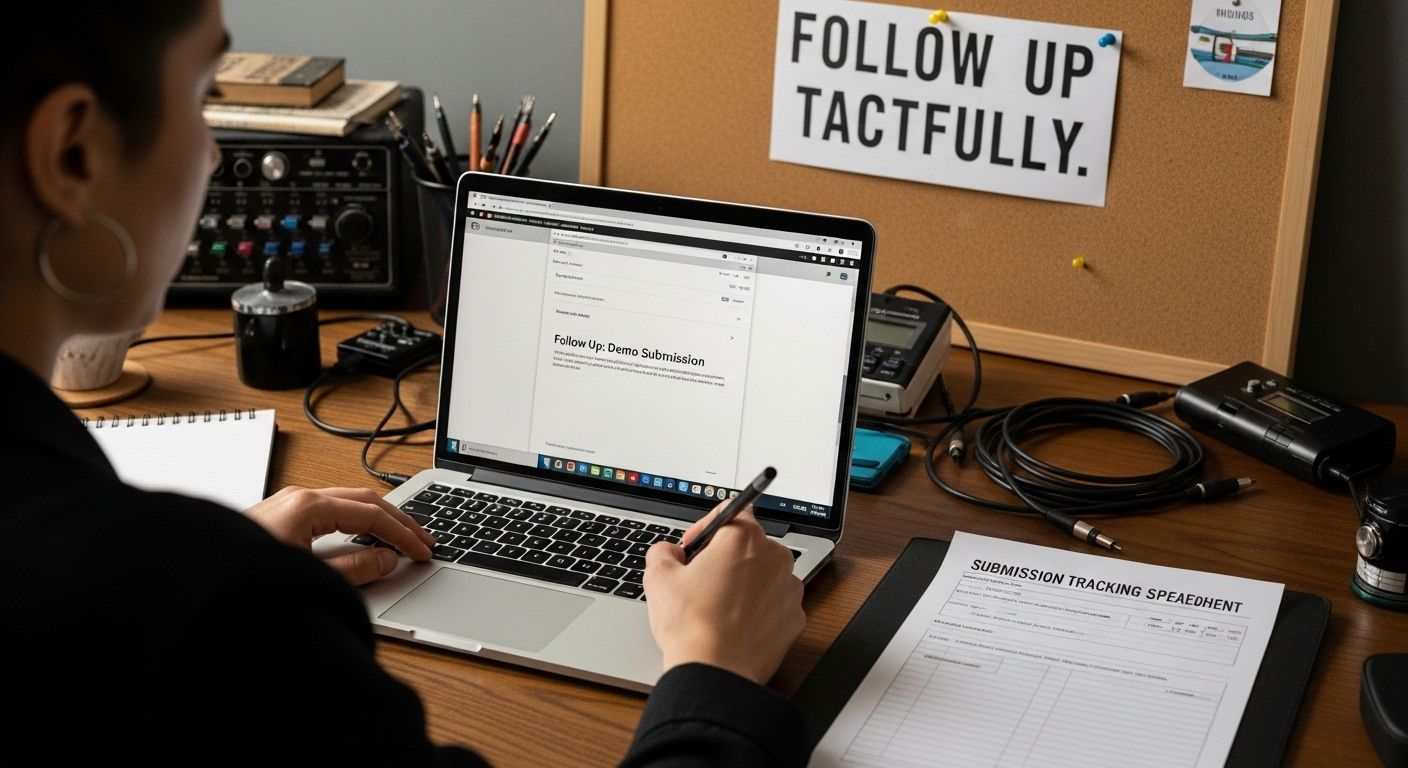
Keep impeccable records of your submissions. Create a submission tracking spreadsheet that logs which labels you’ve contacted, when you submitted, their response guidelines, and follow-up dates. This isn’t just organizational obsessiveness – it’s strategic planning. Many labels take weeks or months to respond, so maintaining a systematic approach prevents accidentally spamming the same contacts or losing track of potential opportunities.
If you’re submitting to multiple labels – which is recommended – customize each submission. A blanket approach screams amateur. Tailor your covering email, highlight why you’re a perfect fit for that specific label’s roster, and demonstrate you’ve done your homework.
Finally, patience is not just a virtue – it’s a necessity. Expect silence. Most labels receive hundreds of demos weekly. A lack of immediate response doesn’t mean rejection. Give them 4-6 weeks before considering a polite follow-up email. Your musical journey is a marathon, not a sprint – keep pushing forward with professionalism and persistence.
Step 5: Follow Up Tactfully
Following up after submitting your demo is like performing a delicate dance – too aggressive and you’ll frighten off potential opportunities, too passive and you’ll fade into musical obscurity. Timing and tone are everything in this crucial stage of your musical journey.
Generally, wait 4-6 weeks after your initial submission before crafting a polite follow-up email. This demonstrates patience and professionalism, showing you understand the industry’s pace. Your follow-up should be concise, courteous, and add value to the original communication. Think of it as a gentle reminder, not a demanding ping.
Your follow-up email needs to be a masterclass in subtlety. Reintroduce yourself briefly, reference your original submission date, and express continued interest in their label. Use language that’s warm and professional – something like, “I wanted to check if you’ve had a chance to review my demo” works brilliantly. Avoid sounding desperate or frustrated; musical industry professionals can smell desperation from a mile away.
Explore our comprehensive guide on music promotion to understand how strategic follow-ups can enhance your career trajectory. Remember, every interaction is an opportunity to demonstrate your professionalism and passion.
If you receive no response after two tactful follow-ups, it’s time to gracefully move on. The music industry isn’t personal – rejection is part of the journey. Some labels receive hundreds of demos weekly, and silence doesn’t necessarily mean your music isn’t good. It might just mean you haven’t found your perfect match yet.
Keep detailed records of your submissions and follow-ups. Create a submission tracking spreadsheet that logs contact dates, follow-up attempts, and responses. This isn’t just organizational obsessiveness – it’s strategic planning that prevents accidental duplicate submissions and helps you refine your approach.
Maintain a positive, professional attitude regardless of the outcome. Each submission is a learning experience, helping you understand the industry’s nuances. Your persistence, combined with continuous musical improvement, will eventually open the right doors.
To clarify your follow-up process, the following table outlines the best practices for tactful communication after submitting your demo.
| Step | Timing | Purpose | Key Action |
|---|---|---|---|
| Initial Submission | Day 0 | Present music professionally | Submit demo via correct channels |
| First Follow-up | 4-6 weeks after | Check if demo was received and reviewed | Polite, concise email referencing original |
| Second Follow-up | 2-3 weeks later | Demonstrate continued interest (if no reply) | Short, respectful inquiry |
| Move On Gracefully | After 2 follow-ups | Avoid appearing pushy if still no response | Stop contacting and focus on other targets |
Step 6: Evaluate Feedback and Adjust Future Submissions
Receiving feedback on your demo is like getting a musical report card – it might sting initially, but it’s your golden ticket to improvement. Professional feedback is a rare gem in the music industry, so treat every comment, critique, or rejection as a potential roadmap to refining your sound.
When you receive responses – whether positive, negative, or constructively critical – approach them with emotional detachment and professional curiosity. Labels and industry professionals rarely provide detailed feedback, so when they do, it’s worth its weight in platinum. Read between the lines. Are they suggesting your production needs polishing? Your songwriting lacks cohesion? Or perhaps your genre positioning needs recalibration?
Self-reflection is your secret weapon. Create a systematic approach to analyzing feedback. Start by categorizing comments into technical aspects (production quality, mix, arrangement) and artistic elements (songwriting, originality, genre alignment). This isn’t about ego – it’s about strategic musical evolution.
Discover more about professional music development to understand how targeted feedback can transform your musical trajectory. Remember, every criticism is an opportunity to level up your craft.
Don’t just collect feedback – act on it. If multiple sources suggest similar improvements, that’s not coincidence – it’s a signpost. Maybe your mixes need professional mastering, or your songs could benefit from more distinctive hooks. Consider investing in production workshops, collaborating with experienced musicians, or working with a professional music coach.
Maintain a feedback journal documenting each submission’s response. Track patterns, note recurring themes in critiques, and plan concrete steps for improvement. This isn’t bureaucratic busywork – it’s your personal musical development strategy. Treat your demo submissions like a scientific experiment, where each attempt provides valuable data for refining your approach.
Finally, remember that rejection isn’t failure – it’s redirection. The music industry is notoriously subjective. What one label dismisses, another might consider groundbreaking. Stay resilient, continue honing your craft, and understand that every ‘no’ is simply a ‘not yet’. Your musical journey is a marathon, not a sprint. Keep creating, keep submitting, and keep evolving.
Ready to Turn Your Demo into Industry Success?
Submitting demos effectively is harder than it looks. As described in this guide, independent artists often struggle with finding the right contacts, tailoring submissions, and standing out in a crowded field. Personalising your approach, preparing a professional digital press kit, and tracking follow-ups can feel like an impossible juggling act – especially when you are also handling songwriting, production, and self-promotion. The pressure to avoid rejection and land in the right hands is real.
At this exact point, Music Gateway’s music promotion solutions offer a proven way to boost your chances of success. Our digital platform bridges the gap between your ambition and industry opportunities, supporting every step from strategically targeting labels to music licensing and playlist submission. Feeling overwhelmed by demo submissions? Take control. Visit our music promotion page now to start your journey and discover how our tools and resources can simplify your path to getting heard. Let us help you move beyond the frustration and start connecting with the right industry professionals today.
Frequently Asked Questions
How do I choose the right record label for my demo?
Research labels that align with your musical genre and style. Investigate their current roster, recent releases, and the sub-genres they support to find the best fit.
What materials should I prepare when submitting a demo?
You should prepare 3-4 of your strongest tracks, a concise artist biography, and a professional digital press kit with high-quality photos and contact information.
How should I structure my demo submission email?
Personalise your email, introduce yourself briefly, highlight why your music fits the label, and include a clear call to action while keeping it concise, ideally under 250 words.
What should I do if I don’t receive a response to my demo submission?
Wait for 4-6 weeks, then send a polite follow-up email. If you still receive no response, it’s best to move on and continue submitting to other labels.