

In short, Diction! Have you ever been belting your heart out at a gig, only to have someone tap you on the shoulder and politely ask, “Sorry mate, but what the bloody hell are you singing about?” Or perhaps you’ve spent hours perfecting your newest track, only to have your brutally honest friend Dave say, “Sounds great… now what were the lyrics again?”
If you’re nodding along while cringing slightly, don’t fret—you’re in good company. Even some of our most beloved rock stars have made careers out of sounding like they’re singing with a mouth full of chips and mushy peas. (I’m looking at you, Liam Gallagher. We love you anyway.)
But here’s the thing: the way words are clearly pronounced while singing is called diction, and it might just be the unsung hero of your vocal performance. So let’s dive into this often-overlooked aspect of singing that could be the difference between “Wow, what a voice!” and “Sorry, what was that about your grandmother’s cat?”
What Is Singing Diction, Actually?
Put simply, singing diction is how clearly you articulate words when you’re belting out your favourite tune. It’s about making sure your audience doesn’t need subtitles to understand what profound (or delightfully superficial) message you’re trying to convey.
As vocal coach Nadia Smelser explains, diction is more than just being understood:
“Poor singing diction causes major problems in the voice, including vocal tension, loss of breath control, inferior tone quality and bad intonation.”
Blimey! Who knew those mumbled lyrics were causing so much trouble?
So it seems our tendency to swallow consonants and mangle vowels isn’t just annoying for our listeners—it’s actually sabotaging our own vocal performance. Talk about an own goal!
Why Your Diction Might Be Rubbish (And Why It Matters)
Let’s be honest—most of us aren’t exactly prioritizing our diction when we’re channeling our inner Adele in the shower. But outside the acoustic paradise of your bathroom, here’s why diction deserves your attention:
- Your brilliant lyrics deserve to be heard. You didn’t spend hours crafting those metaphors about broken hearts and rainy London streets for them to be lost in a sea of unintelligible mumbling.
- Good diction = better vocal technique. When you nail your diction, you’ll find your overall singing improves. It’s like upgrading from a Reliant Robin to an Aston Martin without spending a penny.
- You’ll sound more professional. Nothing screams “amateur hour” like lyrics no one can decipher. Even if you’re playing to three people and a dog at your local, why not sound like you’re headlining Glastonbury?
- It prevents vocal strain. Poor diction often means you’re tensing muscles that should be relaxed, leading to a strained voice and potentially cutting your singing career shorter than a one-hit wonder from the ’90s.
Top Tips for Diction That Doesn’t Sound Like You’re Speaking in Tongues
Right, let’s get down to brass tacks. How can you improve your diction without sounding like you’re reciting Shakespeare with a plum in your mouth? Here are some game-changing techniques that’ll have you singing as clearly as a BBC newsreader after elocution lessons:
1. Vowels Are Your Best Mates – Treat Them That Way
Vowels keep your throat open indefinitely and allow for easy and continuous flow of your breath. They’re the rockstars of your vocal line, while consonants are more like the roadies—essential but best kept in the background.
The golden rule? Make each note 99.9% vowel. That’s right—almost your entire singing time should be spent on those lovely open vowel sounds. Think of it this way: if your syllable were a pint, the vowel would be the beer and the consonant just the foam on top.
Try singing this line from “Wonderwall” (because of course): “Today is gonna be the day that they’re gonna throw it back to you”
Focus on the vowels: “Oo-ay i o-a ee e ay a ey o-a row i a oo oo”
Feels weird? Good! You’re reprogramming your singer brain. Soon you’ll be communicating more clearly than a Yorkshire tour guide who’s had exactly one cup of tea—not too little, not too much.
2. Chuck Your Consonants Forward (But Don’t Lose Them Entirely)
If you sing words exactly as they appear on paper, the consonants will keep stopping your breath and interrupting the flow of your singing. It’s like driving your car and stepping on the brake every few feet!
Instead, try this nifty trick: take the ending consonant of each syllable and move it to the beginning of the next syllable. Keep your vowel going until the very last moment, then quickly articulate the consonant as you begin the next syllable.
For example, instead of singing: “If-they-asked-me-I-could-write-a-book”
Try: “I___fthe____ya____skedme____I____cou____ldwri____tea____boo___k”
It feels a bit bonkers at first, like trying to pat your head and rub your tummy while reciting the tube map. But practice makes perfect, and soon it’ll feel as natural as complaining about the weather.
3. Mind Those Pesky Diphthongs
A diphthong is when two vowel sounds occur in one syllable (like in “night” or “boy”), and they’re about as troublesome as a dodgy kebab after a night out.
When singing diphthongs, focus on the first vowel sound for most of the note, then quickly glide to the second vowel sound just before moving to the next syllable. For example, in “night,” you’d sing “naaaaa-ight,” with most of the note on the “ah” sound.
This gives your voice the space it needs to resonate properly, rather than getting caught in that awkward transition between vowel sounds—sort of like avoiding the night bus by splashing out on an Uber.
4. Practice With Exaggeration (Just Not in Public)
Try this exercise: read your lyrics out loud in an over-the-top, borderline ridiculous manner. I’m talking full Brian Blessed shouting-across-the-moors level of drama. Feel silly? Brilliant! You’re doing it right.
By practicing with exaggeration, you’re training those lazy articulators (lips, tongue, jaw) to work harder than an intern on their first day. When you then dial it back for actual singing, you’ll find your normal diction has magically improved.
Just maybe do this one at home rather than on the Northern Line during rush hour. Trust me on this one.
Famous Diction Disasters (And What We Can Learn From Them)
Even the greats have had their moments of diction-related confusion:
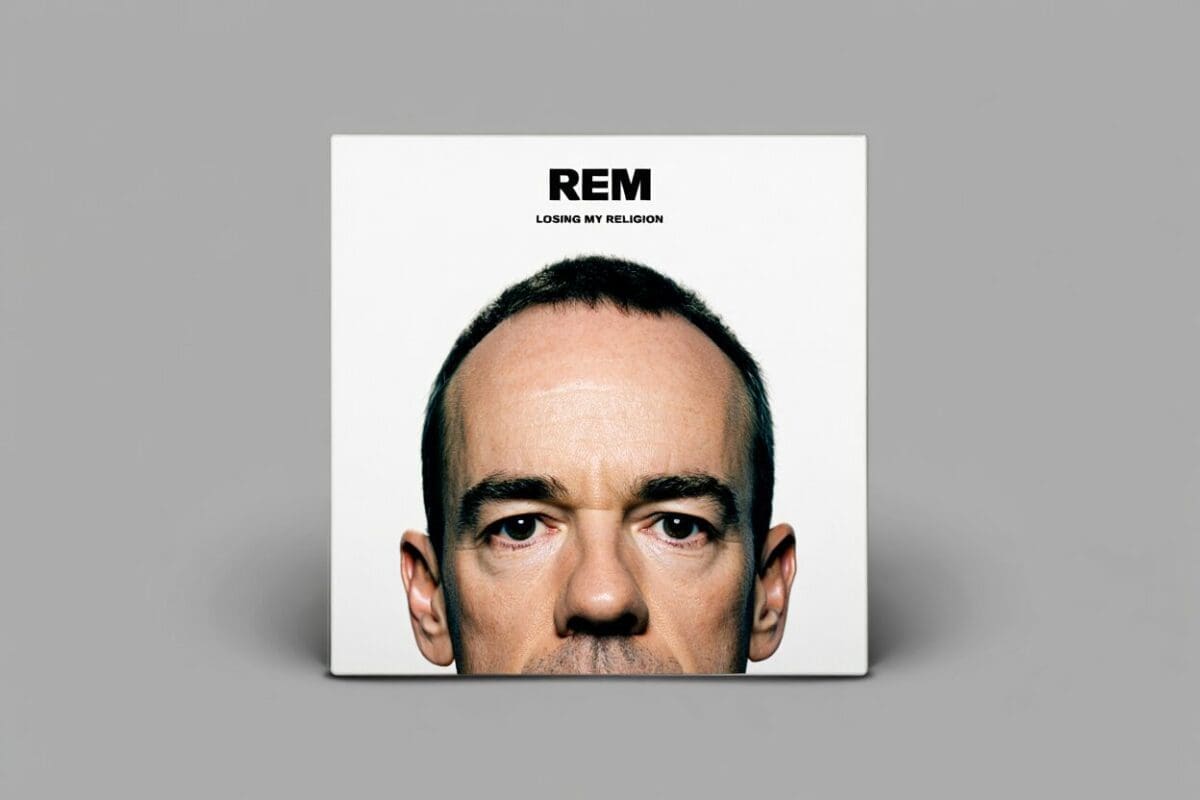
- REM’s “Losing My Religion”: For years, people thought Michael Stipe was singing about “Let’s pee in the corner” rather than “That’s me in the corner.” A cautionary tale if ever there was one.
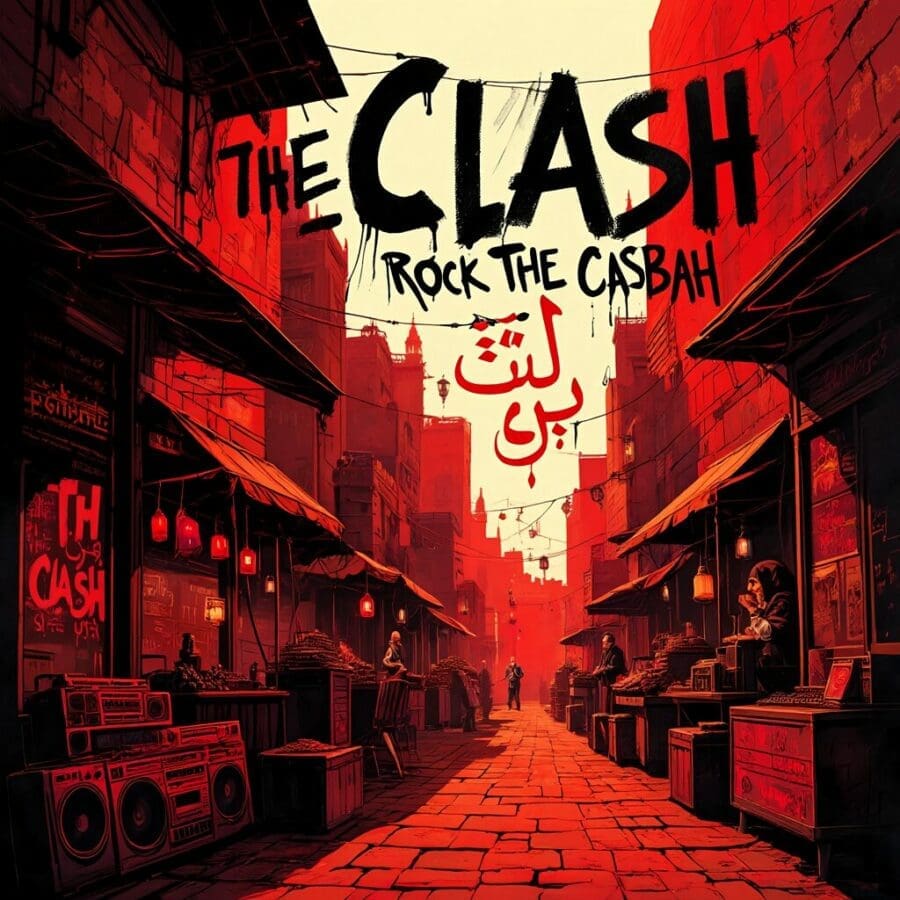
- The Clash’s “Rock the Casbah”: Many heard “rock the cat box” instead. Not quite the revolutionary message they were aiming for.
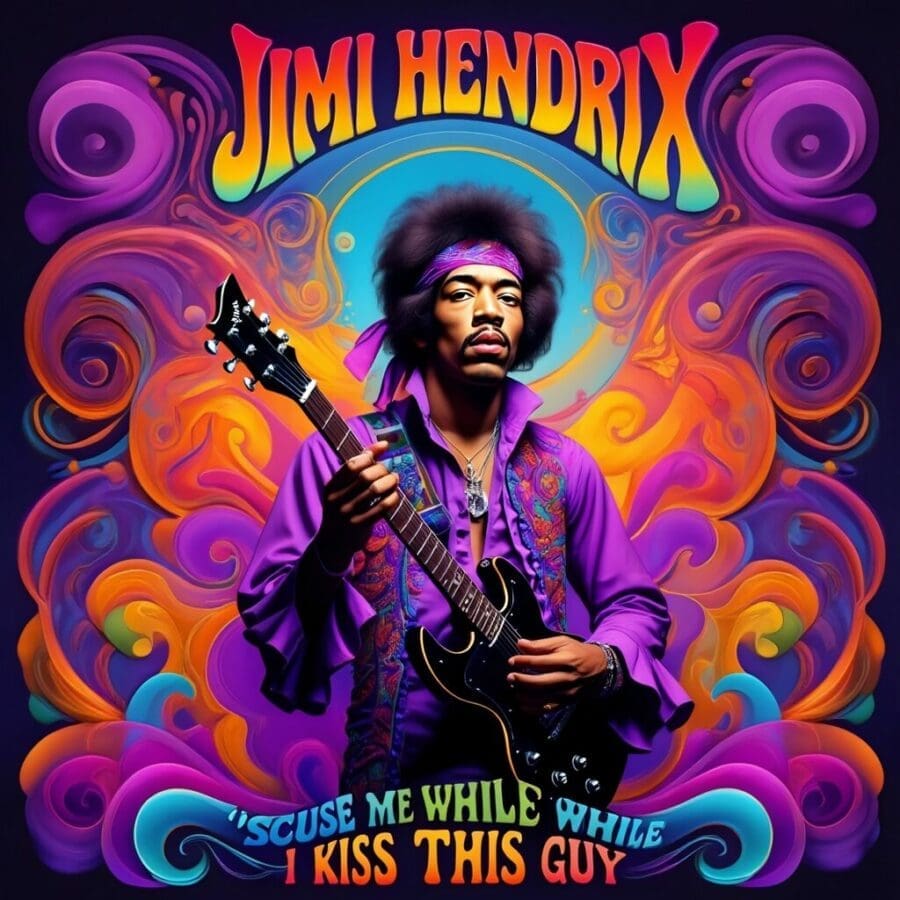
- Jimi Hendrix’s “‘Scuse Me While I Kiss This Guy”: It’s actually “the sky,” but Hendrix found the misheard lyric so amusing he occasionally sang the wrong version on purpose. Sometimes embracing the chaos is the way forward!
Ready to Sound Like You Actually Know What You’re Singing About?
If you’ve made it this far, you’re clearly serious about not having your profound artistic expression mistaken for incoherent warbling. Good on you!
Remember, like most things worth doing in life (making the perfect cuppa, queuing efficiently, passive-aggressive apologizing), improving your diction takes practice. But the results—a clearer, more powerful voice with less strain and more impact—are well worth the effort.
And here’s the kicker: once you’ve polished those pristine vocals with razor-sharp diction, you’ll want to make sure they reach the eager ears of your adoring (or soon-to-be adoring) fans. That’s where our mates at Music Gateway come in:
- Need to get your crystal-clear lyrics in front of new listeners? Check out Music Promotion services that’ll have people actually understanding your genius wordplay.
- Want to crack those elusive Spotify algorithms with your newly articulate singing? Spotify Promotion is just the ticket to playlist paradise.
- Ready to distribute your no-longer-mumbly masterpiece to the masses? Music Distribution will get you on all major platforms faster than you can say “proper pronunciation prevents poor performance.”
The Final Encore
The legendary vocal coach Nadia Smelser puts it perfectly: “Even if you never learn anything else about singing diction, just having these techniques in your arsenal of singing tools will make a HUGE improvement in your vocal delivery!”
So there you have it—the way words are clearly pronounced while singing is called diction, and it’s your secret weapon for vocal performances that connect, impress, and actually make sense to the poor sods who’ve paid good money to hear you.
Ready to transform your mumbling into mastery? Join Music Gateway today and let’s get those perfectly pronounced lyrics the audience they deserve!
After all, as the old singing teacher’s joke goes: “What’s the point of having something important to say if no one can bloody understand you?” (That’s not actually an old joke, I just made it up—but it should be one!)