

Ah, playlists. The modern-day mixtape, minus the painstaking hours spent hovering over the pause button on your dad’s old hi-fi. Let’s face it, these days getting on the right playlists can be the difference between playing to your cat in your bedroom and, well, playing to slightly larger audiences who aren’t obligated by the laws of pet ownership to listen to you.
The Playlist Landscape: Editorial vs. Independent
Before we dive into the murky waters of playlist promotion, let’s get our heads around the two main types of playlists on Spotify.
Editorial Playlists are the holy grail of playlist real estate – curated by the mysterious overlords at Spotify HQ. Think of them as the posh nightclubs with bouncers who definitely aren’t letting you in wearing those trainers, mate. Playlists like “New Music Friday,” “Indie Mixtape,” and “Hot Hits UK” can send your streaming numbers through the roof faster than you can say, “I’ve quit my day job!”
Independent Playlists are the Wild West of the playlist world – owned by record labels, blogs, influencers, and that bloke Dave who just really loves collecting obscure Norwegian black metal tracks. While they might not all have the follower counts of the editorial big boys, they’re often more accessible and can be bloody brilliant for reaching dedicated genre fans.
DIY Playlist Creation: Be Your Own Curator, You Talented Thing

Creating your own playlists isn’t just about shameless self-promotion (though let’s be honest, that’s a lovely bonus). It’s about establishing yourself as a tastemaker in your scene. Here’s the craic:
- Craft a playlist concept that’s not just “songs I like” – think themes, moods, or specific occasions. “Tuesday Morning Existential Crisis Bangers” is infinitely more clickable than “My Playlist #4.”
- Include your tracks, but don’t be a greedy git – nobody wants to follow a playlist that’s 90% your material. That’s not a playlist; that’s just your album with a few guest appearances.
- Update regularly – a stale playlist is about as appealing as last week’s pint.
- Promote it across your socials – share it like a proud parent showing baby photos. “Look what I made, everyone! Isn’t it GORGEOUS?”
- Look at Album PR, which we can discuss and help you with your strategy.
Once you’ve built decent follower numbers and engagement (people who actually listen rather than skipping your carefully curated selections faster than an awkward conversation about politics at Christmas dinner), you’ve got yourself a valuable commodity for trading. Question – How do you get your music heard? Click to review.
Playlist Trading: You Scratch My Back, I’ll Stream Yours
When your playlist starts gaining traction, you’ll find yourself with a rather nifty bargaining chip. Playlist trading is exactly what it sounds like – a bit of “I’ll put your track on my playlist if you put mine on yours.” It’s like swapping football stickers in the playground, except with potentially career-altering consequences.
A few golden rules for playlist trading:
- Ensure the playlists are of similar size and engagement levels. Don’t be that person trying to trade your 12-follower playlist for someone’s 10K monster.
- Keep your trades genre-appropriate. Your experimental jazz fusion track isn’t going to sit well on “Ultimate Gabber Workout Anthems.”
- Don’t be a flake. If you promise a spot, deliver it.
We’ve got a comprehensive guide on playlist trading etiquette in our article [insert link to other article here], so pop over there after you’ve finished this one. No rush, we’re not going anywhere.
Long-Term Playlist Ownership: Playing the Long Game
Building successful playlists isn’t a quick win – it’s more of a slow, painful marathon where occasionally someone throws you a jelly baby of encouragement. Here’s how to make it sustainable:
- Consistency is key – establish a regular update schedule that you can actually stick to. Unlike that gym membership.
- Develop a unique voice – your playlist descriptions and overall curation style should reflect your personality. Be memorable!
- Collaborate with other artists – themed playlists featuring tracks from artists in your scene can help everyone involved. Community spirit and all that.
- Track your analytics – pay attention to which tracks perform well and adjust accordingly. It’s basically being a data scientist, but with better music and fewer spreadsheets. (Well, maybe still some spreadsheets.)
Pitching to Curators: Please Sir, Can You Add My Song?
Pitching to playlist curators requires finesse, timing, and the delicate balance between confidence and not coming across as an absolute tool. Here’s the insider approach:
- Do your research – don’t pitch your death metal anthem to a lo-fi study beats playlist. That’s just embarrassing for everyone involved.
- Build genuine relationships – follow curators on social media, engage with their content, and generally exist as a human being rather than a promotion robot before you ask for favours.
- Craft a stellar pitch email – keep it personal, concise, and for the love of all things musical, spell their name correctly. Your press release should include:
- A brief intro that shows you know their playlist
- Links to your music (Spotify link, not a WeTransfer of your demo, you muppet)
- Why your track fits their vibe
- Any notable achievements that don’t sound like you’re bragging down the pub
- Follow up once, then let it go – there’s a fine line between persistence and harassment. Don’t cross it.
The human touch works wonders here. Automated mass emails get binned faster than festival flyers on a rainy day.
Editorial Playlist Pitching: The Official Channels
Getting on Spotify’s editorial playlists involves a slightly more formal process through Spotify for Artists. Here’s the lowdown:
- Plan ahead – you need to submit tracks at least 7 days before release. Last-minute panic submissions are about as effective as using a chocolate teapot.
- Complete all metadata – fill in every field as if your career depends on it, because in a way, it does.
- Be realistic about which editorial playlists you’re targeting – aim for playlists where you can genuinely imagine your track sitting comfortably, like choosing the right seat at a dinner party.
- Tell your story – editors want to know the context behind the track. Give them something interesting to work with, not just “I wrote this song and I think it’s quite good.”
Distribution Support: We’ve Got Your Back, Love
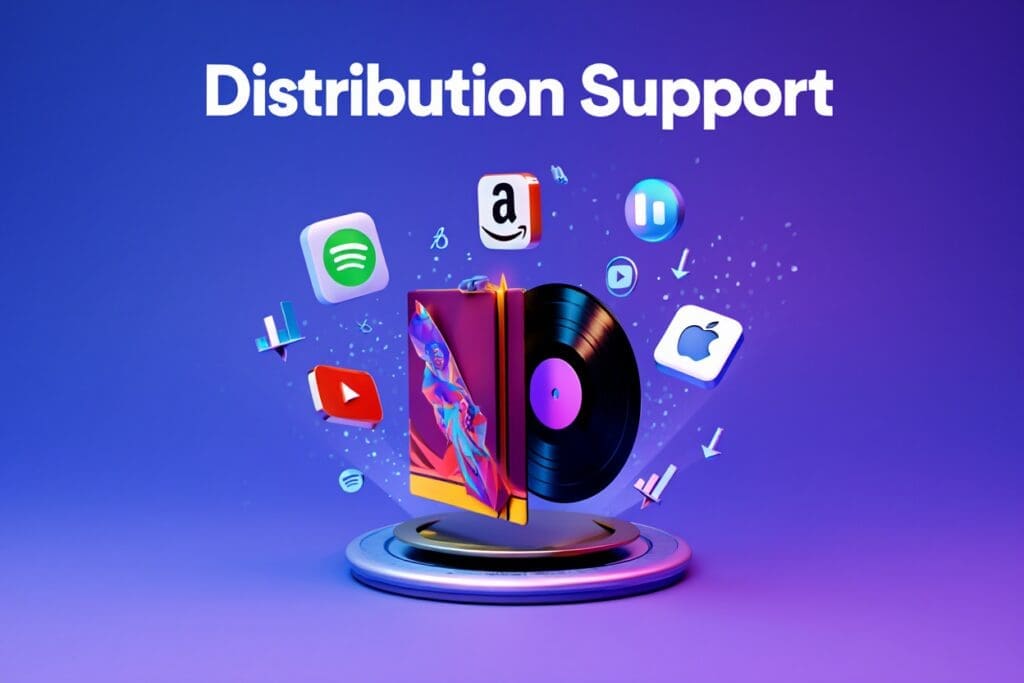
This is where working with a distributor like us comes in particularly handy. Not to blow our own trumpet (though we are musicians, so trumpet-blowing is sort of our thing), but as a preferred partner with Spotify, we have direct relationships with playlist curators that independent artists simply can’t access on their own.
Our connections extend beyond Spotify to Amazon, Deezer, and Apple Music curators as well. Think of us as that well-connected friend who somehow knows the bouncer at every club in town.
We can help with:
- Optimizing your pitch for editorial consideration
- Getting your releases in front of the right curators
- Providing feedback on your promotional assets
- Generally increasing your chances of playlist love
Wrapping It Up: Patience, Persistence, and a Bit of British Pluck
Playlist promotion isn’t an overnight success story – it’s more of a slow-burning romance novel with occasional plot twists and moments where you question all your life choices. The key is consistency, authenticity, and not taking rejection personally (easier said than done after your fifth whisky, we know).
Remember that building your own playlists is just as important as getting on others, just a lot harder. Own your corner of the streaming world, and treat it like the valuable real estate it is.
And if all else fails, you can always go back to making actual mixtapes and handing them out on the high street. Retro is in these days, after all.
Now go forth and playlist, you magnificent musical unicorns!
Recommended Article: DIY Music Promotion: Proven Strategies for Indie Success
Recommended Pages – Spotify playlist placement