

Spotify has become more than just a music platform and now over 500 million listeners are tuning in every month. Most artists think piling up streams is all about luck or hoping you’ll be that random viral hit. But the real secrets to growing your audience hide in the stats, quirky collaborations, and genuine connections most people completely overlook.
Table of Contents
- Step 1: Analyse Your Current Spotify Data
- Step 2: Optimise Your Spotify Profile
- Step 3: Promote Your Music on Social Media
- Step 4: Collaborate with Other Artists
- Step 5: Engage with Your Audience
- Step 6: Track and Adjust Your Strategies
Quick Summary
| Key Point | Explanation |
|---|---|
| 1. Analyse your Spotify data thoroughly | Use Spotify for Artists to identify listener demographics, track performance, and geographic trends to refine your strategy. |
| 2. Optimise your Spotify profile effectively | Ensure your profile is verified, includes a professional picture, and features a compelling bio to attract listeners. |
| 3. Promote across social media consistently | Create engaging, platform-specific content to connect with fans and generate interest in your music effectively. |
| 4. Collaborate with complementary artists | Seek out partnerships that enhance both your reach and creativity, tapping into new audiences through shared projects. |
| 5. Engage genuinely with your audience | Respond to fan interactions and create personal connections through live streams and interactive experiences to build a loyal community. |
Step 1: Analyse Your Current Spotify Data
Before you can skyrocket your Spotify streams, you’ll need to become a bit of a data detective. Think of your Spotify analytics like a musical crystal ball revealing exactly where your current strategy needs a bit of British magic.
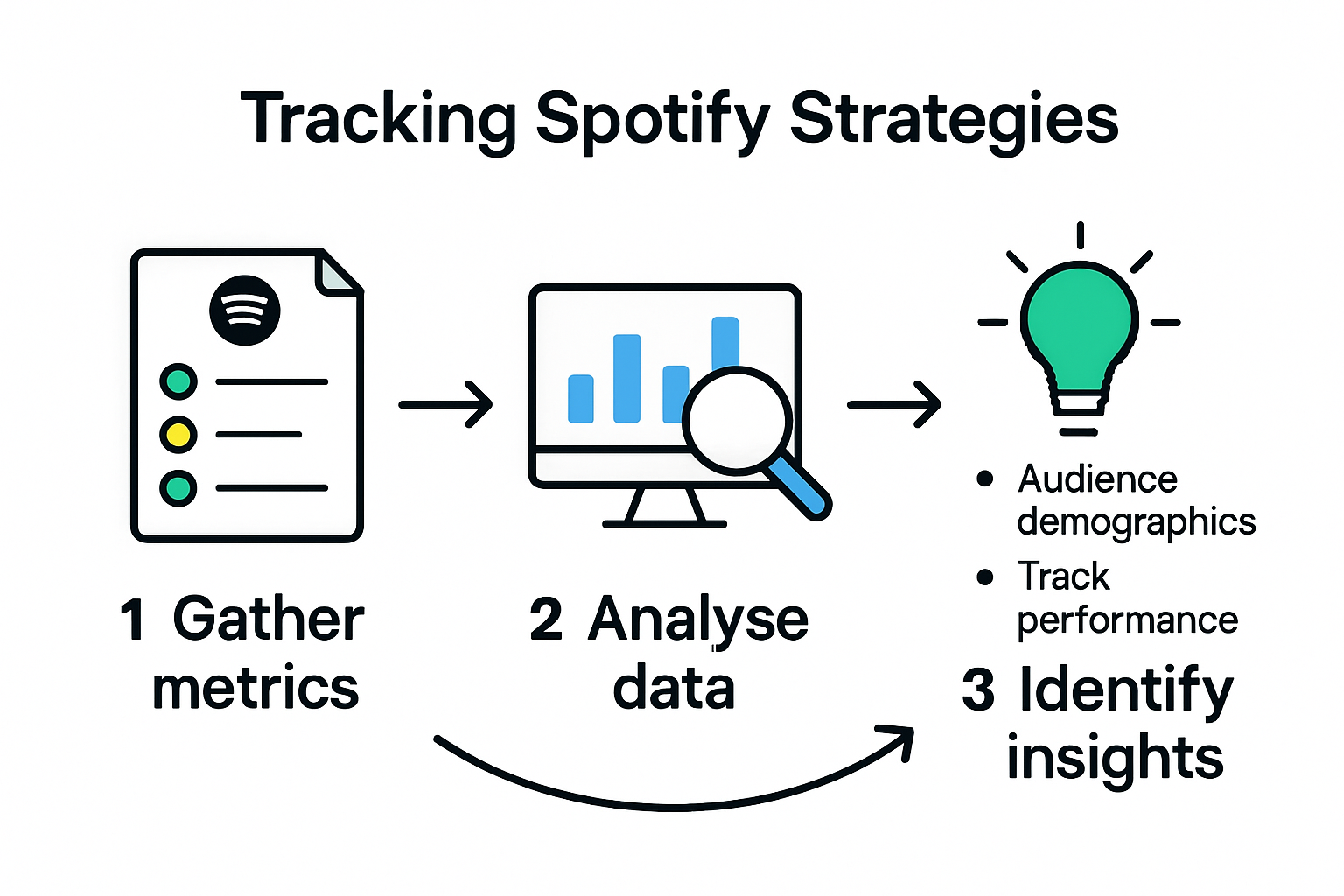
Head straight to Spotify for Artists, your new best mate in this streaming adventure. This powerful dashboard will transform your vague musical hopes into concrete insights. Once logged in, you’ll find a treasure trove of information about your current performance. We’re talking listener demographics, geographic spread, track performance, and playlist appearances.
Pay special attention to your top-performing tracks. Which songs are resonating with listeners? Are there specific genres or styles that seem to spark more interest? Your data might reveal surprising patterns. Perhaps that quirky indie track is connecting more than your standard pop number. These insights aren’t just numbers; they’re your roadmap to strategic musical growth.
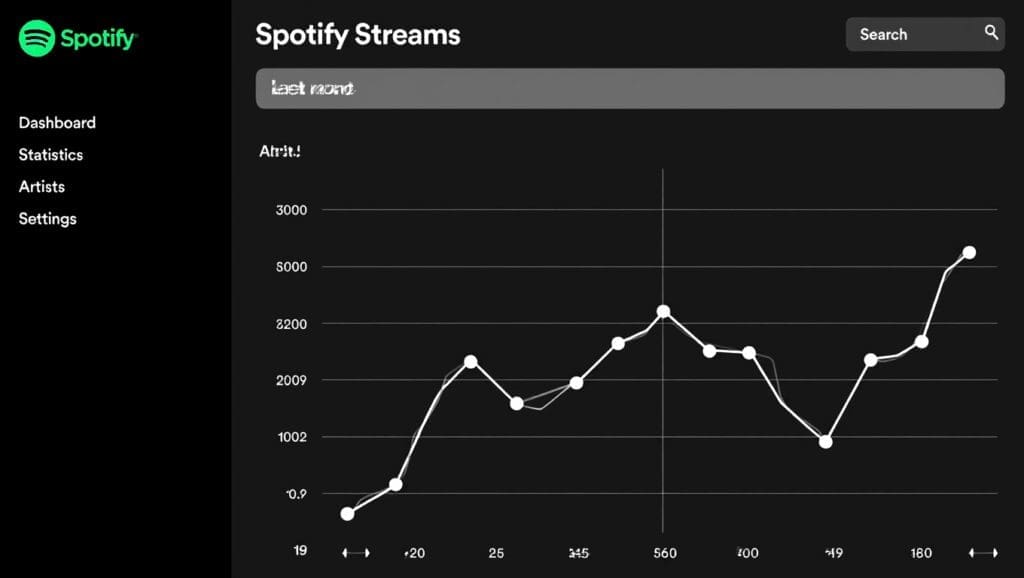
Look closely at your monthly listeners and stream counts. Are they growing consistently or fluctuating wildly? Consistent growth indicates you’re doing something right, while erratic numbers suggest you need to refine your approach. Pro tip: Compare your current stats with previous months to understand your trajectory.
Geographic data is another goldmine. You might discover you’ve got unexpected fan bases in cities or countries you’ve never visited. Knowing where your music resonates can help you target future Music Promotion efforts more precisely.
Don’t get overwhelmed by the numbers. Think of this as your musical report card, helping you understand where to focus your energy. Your Spotify analytics are essentially a cheat sheet for boosting your plays and expanding your audience. Grab a cuppa, settle in, and let the data guide your next move.
Step 2: Optimise Your Spotify Profile
Your Spotify profile is essentially your digital music storefront. Just like a dodgy shop window can drive potential customers away, a poorly curated profile might make listeners scroll past faster than you can say “one-hit wonder”.
First things first, get Spotify for Artists verified. This magical blue checkmark isn’t just a vanity badge it signals to listeners that you’re the real deal. Upload a crisp, professional profile picture that captures your artistic essence. Think of a high-resolution, clear image that represents your musical brand. Avoid blurry selfies or pictures that look like they were taken during a particularly wild gig night.
Your artist bio is crucial. This isn’t the time for a War and Peace length autobiography, but a punchy, engaging narrative that tells your musical story. Highlight what makes you unique. Are you a classically trained pianist who moonlights in indie rock bands? Did you record your first album in your nan’s living room? Those quirky details can make listeners stop and take notice.
Create artist playlists that showcase not just your music, but your musical personality. Mix your tracks with influences and contemporaries. This demonstrates your musical depth and helps algorithm recommendations work in your favour. Spotify Promotion becomes more effective when you present yourself as a curator, not just a creator.
Consider your profile aesthetic. Choose a header image that complements your sound. A folk artist might select pastoral landscapes, while an electronic musician could opt for something more abstract and futuristic. Consistency is key. Make sure your visual elements tell a cohesive story about your musical identity.
Don’t forget to link your social media accounts. This creates a web of connectivity that helps fans follow your journey across platforms. Regular updates, behind-the-scenes content, and engagement can transform casual listeners into dedicated fans.
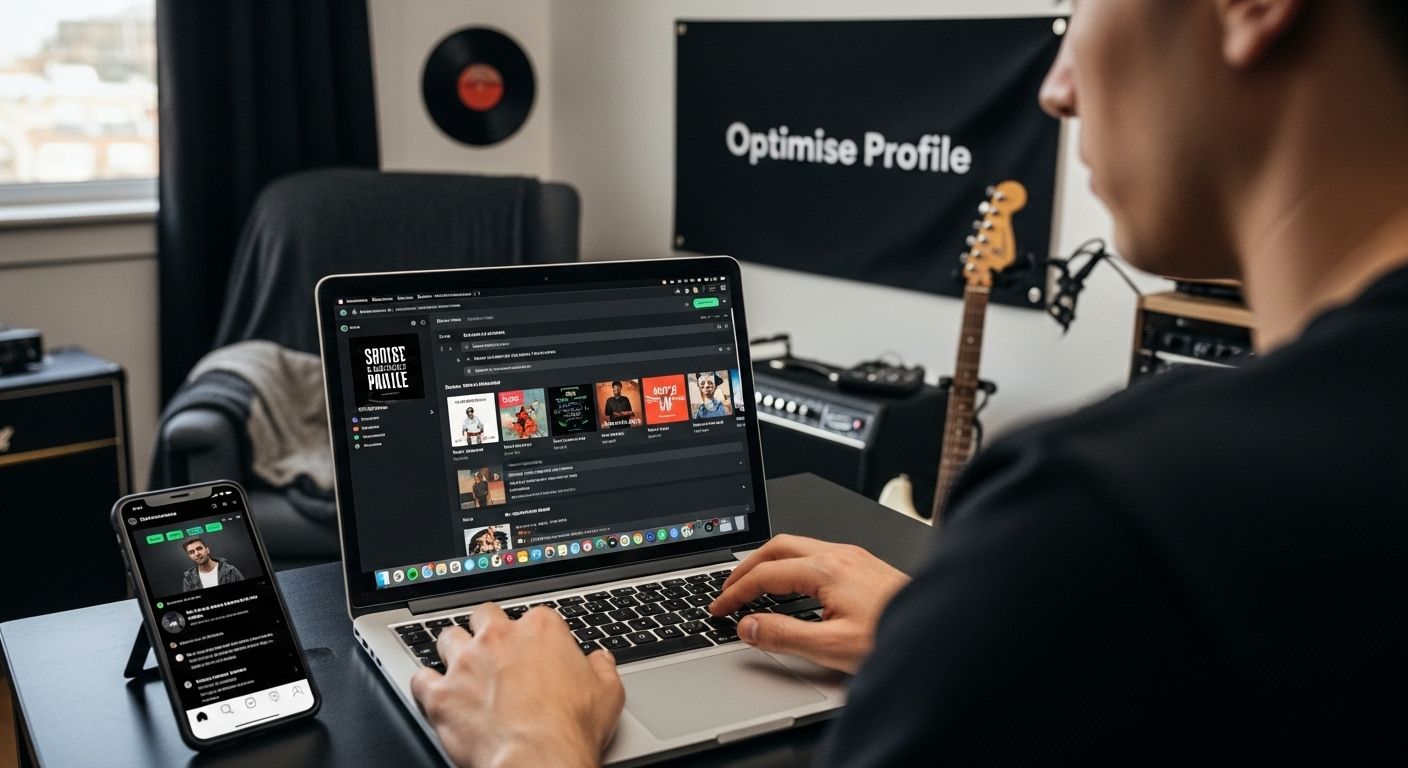
Remember, your Spotify profile is more than just a collection of tracks. It’s your musical business card, your first impression, and your ongoing conversation with potential fans. Treat it with the same care you’d treat a live performance.
Step 3: Promote Your Music on Social Media

Social media isn’t just for selfies and cat videos; it’s your musical megaphone. Think of platforms like Instagram, TikTok, and Twitter as your digital street corner where you can blast your tunes to potential fans worldwide.
Consistency is your secret weapon. Treat your social media like a professional gig, not a random jam session. Create a content calendar that keeps your audience engaged without overwhelming them. Share behind-the-scenes clips, studio moments, live performance snippets, and personal insights that make fans feel connected to your musical journey. Authenticity trumps polished perfection every single time.
Understand each platform’s unique vibe. TikTok loves short, catchy soundbites that can trigger viral dance challenges. Instagram thrives on visually stunning content and Stories. Twitter works brilliantly for quick, witty updates and fan interactions. Don’t just copy-paste content across platforms; craft platform-specific experiences that feel native and genuine.
Video content reigns supreme. Short, engaging clips that showcase your personality and music will help you cut through the digital noise. A 30-second snippet of an unreleased track, a quirky rehearsal moment, or a raw acoustic performance can spark massive interest. Music Marketing isn’t about hard selling, it’s about creating compelling narratives that draw people into your musical world.
Collaborate and cross-promote. Engage with other musicians, share each other’s content, and create a supportive network. Tag relevant music pages, use strategic hashtags, and don’t be shy about reaching out to playlist curators or music blogs.
Track your metrics like a hawk. Most social platforms offer robust analytics that show which content resonates most with your audience. Are music teasers getting more engagement than studio shots? Do live performance clips generate more interaction than polished music videos? Let the data guide your content strategy.
Remember, social media is a marathon, not a sprint. Build genuine connections, stay true to your artistic vision, and let your personality shine through. Your next viral moment might be just one post away.
Below is a comparison of key social media platforms for promoting your music. This table summarises their unique strengths based on how they are described in the article.
| Platform | Best For | Content Suggestions |
|---|---|---|
| TikTok | Viral soundbites, dance challenges | Short clips, music snippets |
| Visual storytelling, engagement | Photos, Stories, behind-the-scenes posts | |
| Quick updates, fan interaction | Witty posts, music news, replies |
Step 4: Collaborate with Other Artists

Collaboration isn’t just about making music, it’s about creating musical magic that amplifies both artists’ reach. Think of it like a musical potluck where everyone brings something delicious to the table and everyone walks away satisfied.
Network intentionally, not desperately. Seek out artists who complement your sound rather than simply mimicking it. Local gig scenes, online music forums, and Music Gateway platforms are brilliant hunting grounds for potential collaborators. Look for musicians whose audience might genuinely appreciate your style. A folk singer collaborating with an electronic producer could create something wonderfully unexpected.
Approach potential collaborators professionally. Draft a clear, concise message explaining why you admire their work and how a collaboration could benefit both parties. Highlight mutual advantages, don’t just ask for a favour. Share specific ideas about how your musical styles might intersect. Maybe you’ve noticed their drum patterns would perfectly complement your melodic structure.
Remember that collaboration extends beyond just creating tracks together. Cross-promotion is key. When you work with another artist, you’re essentially gaining access to their entire fan base. Plan joint social media campaigns, create shared playlists, and develop content that tells the story of your musical partnership.
Consider different collaboration formats. You might record a track together, do a live stream performance, create a remix, or even just share each other’s content. Some of the most exciting musical moments happen when artists from different genres step outside their comfort zones.
Technology makes collaboration easier than ever. Tools like Zoom, Google Drive, and collaborative music platforms allow artists to work together seamlessly, regardless of geographical distance. You could be jamming with a musician in Manchester while sitting in a café in Edinburgh.
Be open, flexible, and professional. Not every collaboration will result in a chart-topping hit, but each one is an opportunity to learn, grow, and expand your musical network. Treat every partnership as a chance to create something unique and unexpected.
Step 5: Engage with Your Audience
Engaging with your audience isn’t just about collecting fans, it’s about building a musical community that feels like a proper British pub where everyone knows your name and loves your tunes.
Comments are gold dust. Every single interaction is an opportunity to transform a casual listener into a dedicated fan. Respond to comments on Spotify, social media, and YouTube with genuine enthusiasm. If someone takes the time to share how your music made them feel, acknowledge them. A quick, personalised response can turn a fleeting moment of connection into a lifelong supporter.
Live streams are your secret weapon. These digital performances allow fans to see the human behind the music. Don’t just play tracks, host an experience. Share stories about your songwriting process, do mini Q&A sessions, or even give fans a peek into your recording studio. Music PR isn’t about perfection, it’s about authenticity.
Create interactive experiences that go beyond passive listening. Host listening parties where fans can join a real-time discussion about your latest release. Run social media polls asking fans to vote on potential setlists, music video concepts, or even which track should be your next single. This isn’t just engagement, it’s making your audience feel like co-creators in your musical journey.
Email newsletters can be more than bland updates. Transform them into intimate dispatches from your musical world. Share personal anecdotes, behind-the-scenes insights, and exclusive content that makes subscribers feel like they’re part of your inner circle. Think of it like writing a letter to your most passionate fans.
Understand that engagement is a two-way street. Listen as much as you speak. Pay attention to fan feedback, track comments, and subtle hints about what resonates with your audience. Are they loving your more acoustic tracks? Do they connect with your more vulnerable lyrics? Use these insights to refine your artistic direction.
Remember, building an audience is like nurturing a garden. It takes patience, consistent care, and a genuine love for what you’re cultivating. Your fans aren’t just streams they’re your musical family.
Step 6: Track and Adjust Your Strategies
Tracking your musical performance isn’t just number-crunching; it’s like being a detective investigating the mysterious world of listener behaviour. Think of your streaming metrics as a musical treasure map, guiding you towards strategies that actually work.
Spotify for Artists is your command centre. This dashboard isn’t just a bunch of boring graphs, it’s a crystal ball showing exactly how listeners interact with your music. Pay attention to more than just total streams. Look at listener retention rates, skip rates, and playlist additions. These metrics tell a story about how compelling your tracks really are.
Set up monthly review sessions. Pull out your metaphorical magnifying glass and examine which tracks are performing brilliantly and which are collecting digital dust. Are certain songs connecting more with specific demographics? Do listeners from particular regions seem more engaged? These insights are worth their weight in gold.
Don’t just collect data, act on it. If a track is getting consistently skipped, it might need reworking. If a particular style of post generates more engagement on social media, lean into that approach. Music Distribution becomes infinitely more effective when you’re strategic about your content.
Utilise third-party analytics tools to get a more comprehensive view. Platforms like Chartmetric or Soundcharts can provide deeper insights into playlist performance, follower growth, and comparative analysis with similar artists. Think of these as your musical financial advisors, helping you make informed decisions.
Remember that strategies aren’t set in stone. The music industry moves faster than a London black cab during rush hour. What worked six months ago might be completely irrelevant today. Be prepared to pivot, experiment, and most importantly, stay curious.
Your goal isn’t just accumulating streams, it’s building a sustainable, growing musical ecosystem. Treat your data like a trusted collaborator, not an intimidating spreadsheet. Every number tells a story about your artistic journey.
Ready to Turn Spotify Data into Real Results?
You have just learned how to analyse Spotify statistics, refine your artist profile, and reach new listeners. But applying these proven strategies can feel overwhelming when you are juggling music creation and self-promotion. Many artists struggle to break through gatekeepers or find effective tools for growth beyond just counting monthly listeners. Playlist submissions, digital ad management and strategic promotion are key points from this guide, and they are exactly where many independent musicians hit a wall.
Music Gateway is here to help you transform those numbers into meaningful, long-term success. We specialise in tailored music promotion solutions that simplify everything from playlist strategies to advanced artist marketing. With direct access to industry-standard tools, transparent support, and expert partnership, you can focus on your creativity while we handle the promotion. If you are ready to see your Spotify streams climb and your audience grow, let Music Gateway be your guide.
Move your career forward and start your journey with us today by visiting Music Gateway. Take the next step before opportunity passes you by.
Frequently Asked Questions
How can I analyse my Spotify data effectively?
To analyse your Spotify data, log in to Spotify for Artists to access metrics on listener demographics, track performance, and geographic data. Pay special attention to your top-performing tracks and compare monthly listener stats to identify trends.
What should I include in my Spotify profile?
Your Spotify profile should include a verified artist badge, a professional profile picture, an engaging bio that tells your musical story, and artist playlists that showcase both your music and your influences. Consistent visual elements can enhance your artist identity.
How can social media help in promoting my music?
Social media acts as a powerful platform for sharing your music and engaging with fans. Consistent posts, videos showcasing your music, and unique content tailored to each platform can help build a loyal following and draw attention to your releases.
Why is collaboration with other artists important?
Collaboration can amplify your reach by introducing your music to the collaborator’s audience. It fosters creative synergy and allows you to create innovative tracks that may attract new listeners, enhancing both artists’ careers.