
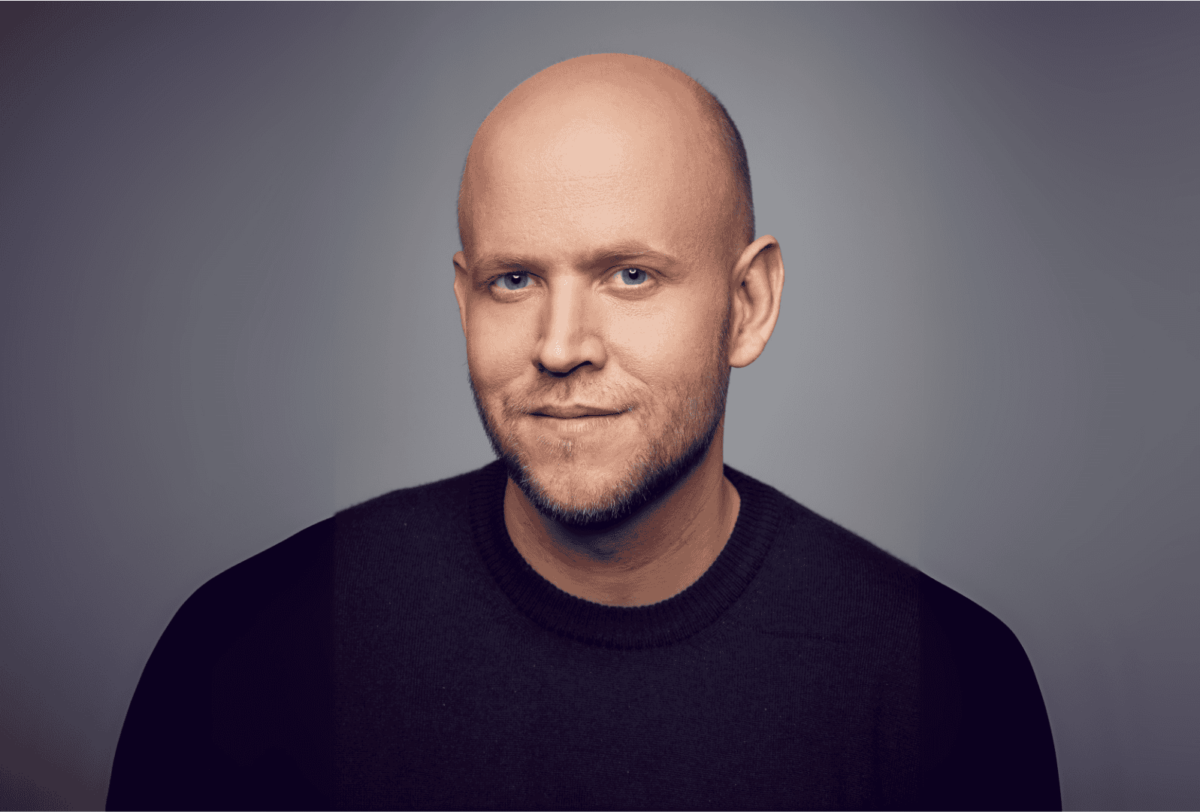

Love him or loathe him, there’s one thing about Spotify’s Daniel Ek, he has never been a boring character. From building one of the most influential tech platforms in music history to attracting controversy from multiple corners of the industry, Ek has sat at the centre of the streaming debate for nearly two decades. But lately, there are signals that suggest the man who helped define the modern music economy may be preparing for life beyond Spotify.
This isn’t about conspiracy theories or dramatic exits. It’s about patterns, timing, and the natural evolution of leadership in a maturing business. Let’s look at the controversy, the achievements, and why the question of Daniel Ek’s next move matters to artists everywhere.
The Man Who Helped Pull Music Back From Piracy
In the late 1990s and early 2000s, recorded music was in serious trouble. Physical sales were collapsing and illegal MP3 downloading was everywhere. The industry was losing billions and, more importantly, control. Spotify launched in 2006 as a legal alternative to piracy, offering convenience without the risk, and while it was never going to please everyone, it did something critical. It changed consumer behaviour.
Streaming didn’t just replace piracy, it normalised paying for access to music again. That shift helped stabilise an industry that had been in decline for years. Without streaming platforms like Spotify, recorded music revenues may never have recovered at all.
It’s easy to forget that context now, especially when conversations focus on payout rates and fairness, but credit where it’s due, Spotify helped close a loop that had been wide open for a decade.
The Numbers Behind the Business
Under Ek’s leadership, Spotify scaled into a global powerhouse. Hundreds of millions of users now use the platform every month, with a huge proportion paying for subscriptions. The company crossed a major milestone recently by posting its first full profitable year, something many critics said would never happen.
Spotify now generates well over ten billion dollars a year in revenue and pays out more money to rights holders annually than any other platform in music history. While the majority of that revenue flows to major labels and top tier artists, that reflects where listener demand sits. The biggest artists generate the most streams and therefore receive the largest share of the pie.
That reality is uncomfortable for many, but it’s also not unique to Spotify. Popularity has always driven revenue in music, whether through physical sales, radio play, or touring.
The Controversies That Won’t Go Away

Despite its success, Spotify has faced consistent criticism, much of it aimed squarely at Ek.
Artist compensation remains the most common flashpoint. The platform’s pro rata payout model means artists earn fractions of a penny per stream, with income distributed via labels and publishers rather than paid directly. For independent artists, that often feels unsustainable, especially when streams reach six figures without meaningful income to show for it.
There have also been brand and perception issues. Ek’s investments outside music, particularly in defence and artificial intelligence-related technology, have unsettled parts of the creative community. Some artists have publicly objected to their work being associated with companies or sectors they do not align with ethically.
More recently, Ek stepped back from the day-to-day CEO role into an executive chairman position, handing operational leadership to others. While this doesn’t remove him from influence, it is a clear shift in responsibility and visibility.
Leadership transitions like this rarely happen by accident. They usually signal a company entering a new phase.
Is Daniel Ek’s Time at the Top Ending?
The honest answer is that Ek’s legacy is already secured. Spotify reshaped how the world consumes music and how the industry generates revenue. That impact won’t disappear even if his role continues to evolve.
What has changed is the conversation. The next phase of music is not just about scale or distribution. It’s about sustainability for creators, transparency in payments, and alternative revenue models that go beyond streaming alone.
As Spotify matures, its challenges are no longer about survival but about balance. Balancing shareholders with artists, scale with fairness, and growth with trust. That may require a different kind of leadership, or at least a different public face.
So is his number up? Probably not in the dramatic sense. But it does feel like the end of an era where Daniel Ek is the central symbol of Spotify’s mission.
What This Means for Artists
For musicians, labels, and managers, the bigger question is not whether Ek stays or goes. It’s whether the streaming economy can evolve into something that works better for creators at all levels.
Spotify offers reach and discovery on a global scale. That value is real. But reach alone does not pay rent, fund recordings, or build sustainable careers. Artists are increasingly aware that streaming is just one piece of a much larger puzzle.
The platforms that thrive over the next decade will be the ones that combine audience access with fairer value exchange, better data, and more direct monetisation opportunities.
Final Thoughts
Daniel Ek helped steer the music industry out of a piracy crisis and into a new digital reality. That alone makes him one of the most influential figures in modern music business history.
Whether he remains closely involved at Spotify or gradually steps further back, the conversation his leadership sparked is far from over. Streaming changed everything. Now the industry must decide what comes next.