
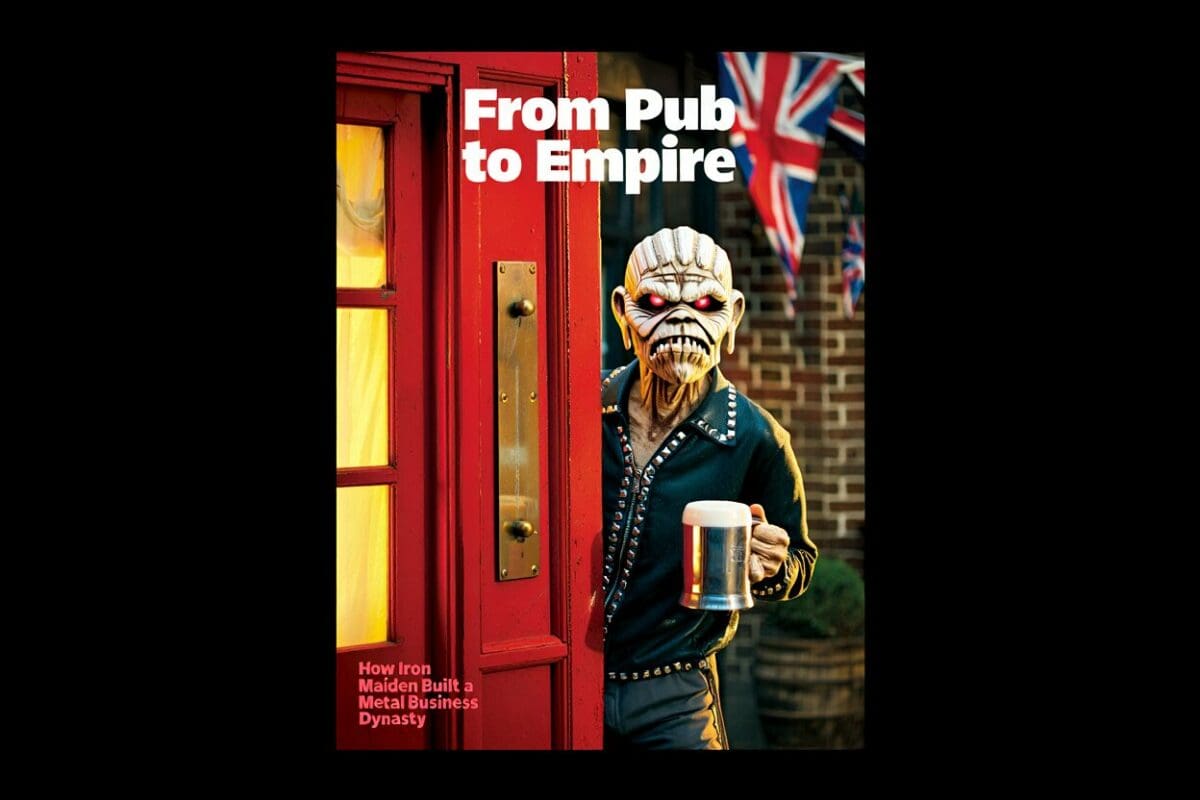

In late 1975, a young bassist named Steve Harris gathered a group of musicians in the Cart and Horses pub in East London’s Leytonstone to form what would become one of the most successful business enterprises in rock history. Fifty years later, Iron Maiden stands as a testament to how treating a band as a serious business, while never compromising artistic integrity, can build a global empire worth an estimated $125-250 million.
The transformation from rising pub rockers to international titans didn’t happen by accident. Iron Maiden’s success story reveals a masterclass in strategic business thinking, diversification, and long-term planning that has sustained them through five decades of an ever-changing music industry.
The Foundation: Early Business Vision
From their earliest days, Iron Maiden displayed an unusual level of business sense for a heavy metal band. While their contemporaries focused solely on the music, founders Steve Harris and manager Rod Smallwood recognised that longevity required treating the band as a comprehensive business enterprise. Smallwood, who joined as manager in 1979, brought a revolutionary “360-degree business model” that integrated every aspect of the band’s operations under unified control.
This early vision proved forward-thinking. Rather than following the traditional path of building success incrementally – first locally, then nationally, then internationally – Iron Maiden pursued what Smallwood called a “global vision from day one.” They recognised that “metal is a worldwide phenomenon” and structured their operations to develop markets simultaneously across continents rather than sequentially.
This approach required significant upfront investment and risk, but it positioned them perfectly for the global expansion of heavy metal in the 1980s. By the time their breakthrough album, “The Number of the Beast,” was released in 1982, they already had established distribution networks and fan bases across Europe, North America, and emerging markets, which competitors were only beginning to explore. For modern artists looking to expand their reach, strategic music distribution partnerships can help establish that same global presence from day one.
Revenue Diversification: Beyond Album Sales

What truly distinguishes Iron Maiden from their peers is their sophisticated approach to revenue diversification. While many bands relied primarily on album sales and touring, Iron Maiden systematically developed multiple income streams that would prove resilient across changing industry conditions.
Their most visible success story is Trooper Beer, launched in partnership with Robinson’s Brewery in 2013. This isn’t merely a licensing deal – Iron Maiden maintains creative control and quality standards that have made Trooper the brewery’s most successful product ever, with over 35 million pints sold across 68 countries. The beer generates ongoing royalty income while serving as a marketing tool that keeps the band visible in markets where they might not be actively touring.
Merchandising represents another crucial pillar of their business strategy. The iconic Eddie mascot, created by artist Derek Riggs, has become what Gene Simmons described as positioning Iron Maiden to
“Take over from Kiss as the biggest merchandising band in America.”
Eddie’s grotesque but instantly recognisable imagery appears on everything from t-shirts to video games, creating a visual brand that transcends music and appeals to collectors and casual fans alike.
The band’s approach to licensing demonstrates their business sophistication. Rather than accepting any commercial opportunity, they carefully select partnerships that align with their brand identity and fan values. This selective strategy has maintained Eddie’s cultural relevance and commercial value across multiple decades. Today’s artists can apply similar strategic thinking to their music marketing efforts, ensuring every partnership strengthens rather than dilutes their brand.
Touring Innovation: The Ed Force One Revolution
Perhaps nowhere is Iron Maiden’s business innovation more visible than in their approach to touring. The decision to use a customised Boeing 747, dubbed “Ed Force One,” might seem like rock star excess, but it represents a calculated business strategy that revolutionised how bands approach global markets.
Piloted by vocalist Bruce Dickinson himself – a licensed commercial airline pilot – Ed Force One enables Iron Maiden to reach markets that would be logistically impossible or financially unfeasible for conventional touring. The aircraft carries the entire production, crew, and equipment, allowing them to maintain consistent show quality while accessing previously untapped markets in South America, Asia, and Africa.
The numbers validate this strategy. Their recent tours consistently generate massive revenues – the Legacy of the Beast tour (2018-2022) grossed over $140 million across multiple years, while individual European shows now command $1.4-4.8 million per venue. Importantly, they achieve these figures while maintaining accessible ticket pricing ($85-150 average), demonstrating that volume and loyalty can generate more sustainable income than premium pricing strategies.
This touring success creates a virtuous cycle. High-quality productions in emerging markets build devoted fan bases that support future visits, merchandise sales, and streaming revenue. Markets like Latin America, where they often outsell mainstream pop acts, demonstrate how this long-term investment approach pays dividends across decades. For artists building their own touring presence, comprehensive music promotion strategies can help establish these crucial fan connections in new markets.
Strategic Management: Maintaining Control
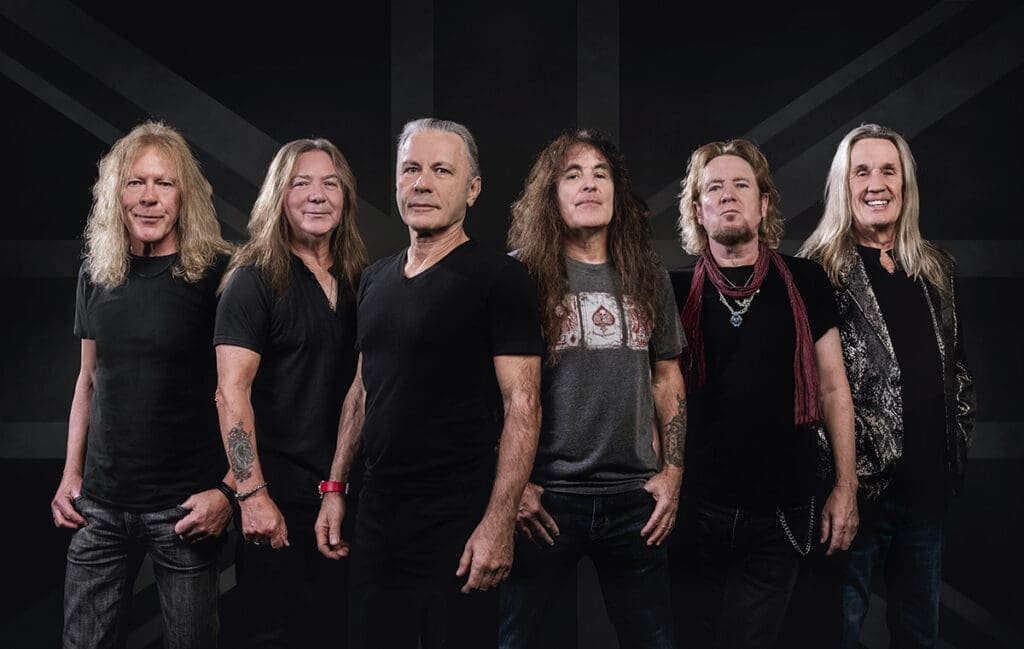
Central to Iron Maiden’s business success is their insistence on maintaining artistic and commercial control. Unlike many bands who cede decision-making to record labels or external managers, Iron Maiden operates through their own Phantom Music Management company, which handles everything from touring logistics to merchandise design.
This control extends to their recording contracts. Their current deal with BMG provides major label distribution power while preserving Iron Maiden’s ownership of their master recordings and creative decisions. This structure ensures that revenue flows primarily to the band rather than external stakeholders, maximising long-term wealth accumulation.
The band’s selective approach to commercial opportunities reflects this control-focused strategy. They regularly decline lucrative endorsement deals, sync placements, and other commercial opportunities that don’t align with their artistic vision or fan values. This selectivity has preserved their authenticity and prevented the brand dilution that has damaged other long-running acts. Modern artists can learn from this approach by working with professional music PR services that understand their vision and help maintain brand consistency across all opportunities.
Generational Wealth Building
Individual band members’ net worth illustrates how effective business management has created generational wealth. Bruce Dickinson’s estimated $130 million net worth reflects not just his Iron Maiden income but his parallel business ventures in aviation, writing, and other investments. Steve Harris’s $35 million fortune demonstrates how founding members have built substantial wealth through their ownership stakes and ongoing royalties.
This wealth creation extends beyond the core band members. Their business model supports dozens of long-term employees, from touring crew to management staff, many of whom have worked with Iron Maiden for decades. This stability creates institutional knowledge and loyalty that contributes to their consistent operational excellence.
The Digital Age Adaptation
Iron Maiden’s business acumen is perhaps most evident in how they’ve adapted to digital disruption. While many older bands struggled with streaming economics, Iron Maiden leveraged their catalogue depth and global fan base to maintain relevance. With 8.4 million monthly Spotify listeners and tracks like “Run to the Hills” exceeding 111 million streams, they’ve successfully monetised their back catalogue in the digital environment.
Their approach to social media and fan engagement reflects the same strategic thinking that built their empire. Rather than chasing viral moments or trends, they use digital platforms to strengthen existing fan relationships and document their touring spectacles, creating aspirational content that drives ticket sales and merchandise revenue. Artists today can maximise their streaming potential through targeted Spotify promotion campaigns that build on this same foundation of authentic fan engagement.
The band has also maintained relevance across traditional media channels, understanding that reaching different demographics requires diverse promotional strategies. Their ability to secure coverage across metal magazines, mainstream press, and broadcast media demonstrates the continued importance of radio promotion and traditional media in building a comprehensive audience reach.
The Triumphant Homecoming: London Stadium Success
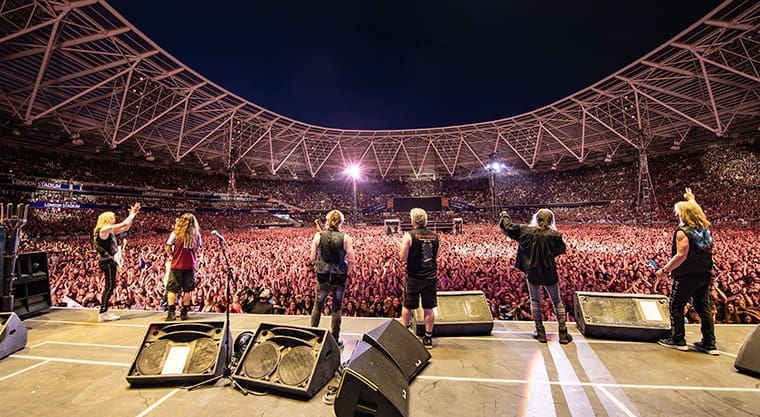
The June 28, 2025, London Stadium performance proved to be everything Iron Maiden had promised and more. Drawing 75,000 fans to Steve Harris’s beloved West Ham’s home ground, the show was hailed as
“an Iron Maiden gig quite unlike any other we’ve seen”
by critics. The concert marked their biggest UK headline venue outside festivals, with the band delivering what Bruce Dickinson called their “most spectacular and elaborate show ever.”
The setlist was a nostalgic journey through their first nine albums, featuring rarely-played gems, and new drummer Simon Dawson seamlessly filled the considerable shoes left by retired Nicko McBrain. State-of-the-art video backdrops replaced their traditional massive Eddie props, creating what one reviewer described as “fantastic” theatrical moments.
The emotional significance wasn’t lost on anyone. As Bruce Dickinson noted from the stage, “It’s a homecoming for Steve, and a homecoming for us after 50…years.” The proximity to their origins – just a mile from the Cart and Horses pub where it all began – created a poignant full-circle moment that had the veteran frontman calling the audience his “best friends” and admitting he was living in his “golden years.” Critics unanimously praised the band’s energy, with one noting they “rarely have been as charged, vital and energised” despite looking back at their earliest material.
This triumphant homecoming perfectly validated their business approach – massive production values, emotional fan connection, and the kind of spectacle that creates lifelong memories and ensures continued loyalty across generations.
Conclusion: The 50-Year View
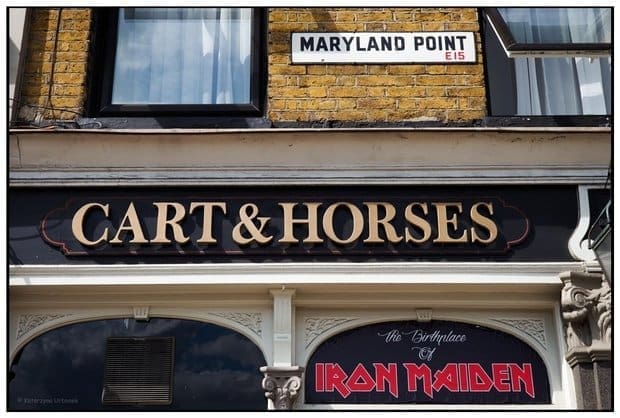
As Iron Maiden’s recent London Stadium triumph demonstrates, their journey from that East London pub represents a masterclass in long-term business building. They’ve proven that treating a band as a serious business enterprise, while maintaining unwavering artistic integrity, can create sustainable wealth and cultural impact across multiple decades.
Their success offers lessons that extend beyond music: the importance of global thinking from the beginning, the value of diversified revenue streams, the power of maintaining control over your brand, and the necessity of adapting to changing market conditions while preserving core values.
From that small East London pub to a quarter-billion-dollar empire, Iron Maiden’s story demonstrates that with the right combination of artistic vision, business strategy, and long-term commitment, even the most unlikely ventures can achieve extraordinary success. As they enter their sixth decade, Iron Maiden continues to prove that the best business strategy is often the simplest: respect your audience, control your destiny, and never stop innovating. Ready to apply these lessons to your own music career? Whether you’re just starting out or looking to scale your existing success, the same principles that built Iron Maiden’s empire are available to today’s artists through the right partnerships and strategic approach. Join Music Gateway to connect with the industry professionals, promotional tools, and distribution networks that can help transform your musical passion into a sustainable business, just like Iron Maiden did 50 years ago in that East London pub.