


Music in film and television shapes emotion and tells stories even before a word is spoken. Some scenes owe everything to the perfect track, yet most people have never heard of the person behind those choices.
Shockingly, one survey found that over 60 per cent of viewers cannot name a single music supervisor even though these experts influence nearly every iconic moment in modern film and TV. Their creative power will surprise you.
Table of Contents
- Defining A Music Supervisor: Key Responsibilities And Roles
- The Importance Of Music Supervisors In The Entertainment Industry
- How Music Supervisors Select And License Music For Projects
- The Relationship Between Music Supervisors And Artists/Producers
- Real-World Examples Of Music Supervisors At Work
Quick Summary
| Takeaway | Explanation |
|---|---|
| Music supervisors enhance storytelling through sound. | They select and integrate music that complements visual narratives, amplifying emotions without overshadowing the story. |
| Collaboration is key for effective music supervision. | Music supervisors work closely with directors and producers to ensure cohesive sonic experiences that align with the creative vision. |
| Strong technical knowledge is essential. | Understanding music licensing and copyright laws helps supervisors navigate legal complexities while managing production budgets effectively. |
| Networking with music supervisors opens doors for artists. | Building relationships can lead to significant opportunities for artists in film, television, and advertising, enhancing their professional visibility. |
| Cost-effective music solutions are vital. | Supervisors often negotiate licensing fees and seek emerging talent to secure high-quality music within budget constraints. |
Defining a Music Supervisor: Key Responsibilities and Roles
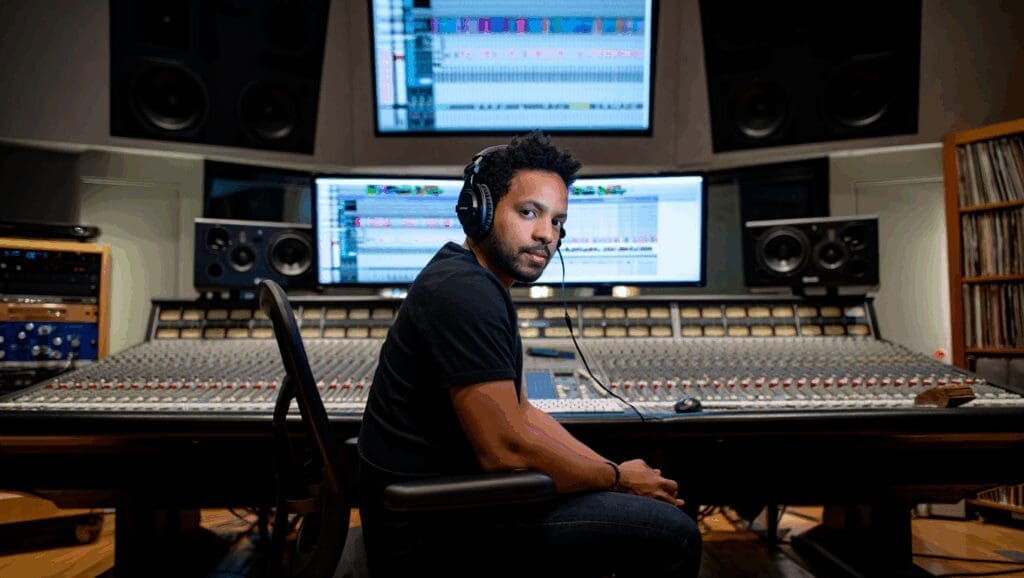
A music supervisor sits at the fascinating intersection of creative storytelling and musical artistry, functioning as a critical professional who bridges the gap between visual media and sound. These skilled professionals are essentially musical architects who craft sonic landscapes that enhance narrative experiences across film, television, advertising, and digital media.
The Creative Curator of Sound
At their core, music supervisors are strategic decision makers responsible for selecting, licensing, and integrating music into visual projects. Their role extends far beyond simply picking pleasant background tracks. They must understand the emotional nuance of a scene, interpret directorial vision, and select music that amplifies storytelling without overshadowing the narrative.
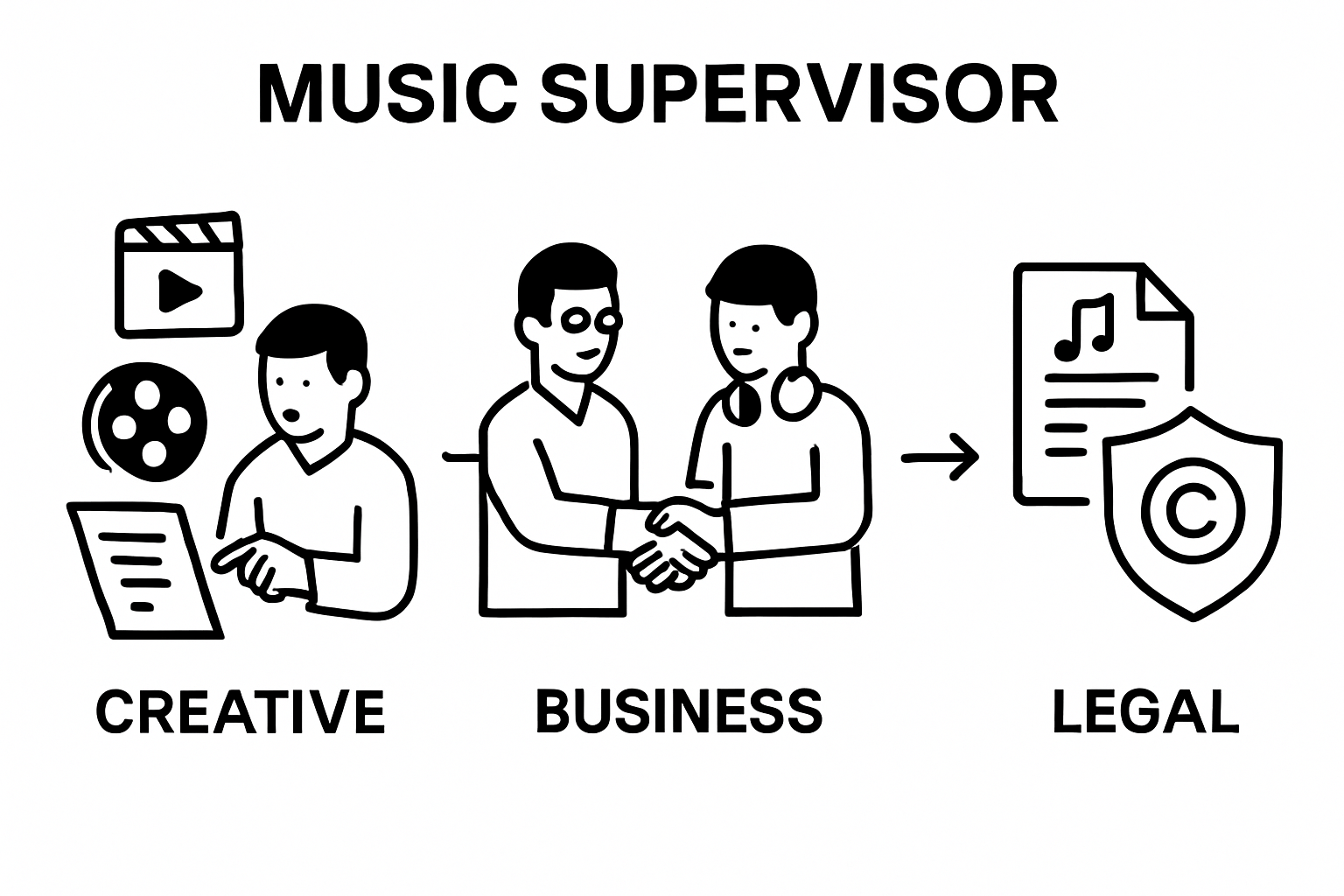
Key responsibilities include:
- Identifying and selecting appropriate musical pieces that match the emotional tone of specific scenes
- Negotiating music licensing rights with record labels and publishers
- Managing music budgets and tracking expenses related to musical selections
- Collaborating closely with directors, producers, and composers to achieve a cohesive sonic vision
Technical and Business Expertise
Beyond creative skills, music supervisors must possess robust technical knowledge of music copyright laws, licensing procedures, and industry regulations. They function as musical translators who can communicate effectively between artistic and legal domains. This requires an intricate understanding of music publishing, synchronization rights, and complex contractual negotiations.
For independent artists looking to understand how they might work with music supervisors, learn more about film music opportunities and expand your professional network. Music supervisors can be pivotal gatekeepers in helping talented musicians secure high-profile placements across various media platforms.
The profession demands a unique combination of musical passion, business acumen, and creative problem solving. Whether working on an indie documentary or a blockbuster film, music supervisors transform soundscapes into powerful storytelling tools that resonate deeply with audiences.
To help clarify the multifaceted responsibilities of a music supervisor, the table below lists key responsibilities alongside a brief explanation of each, providing a concise reference for readers.
| Responsibility | Explanation |
|---|---|
| Selection of Music | Identifying musical pieces that match the emotional tone of scenes. |
| Music Licensing Negotiations | Communicating and securing rights from record labels and publishers. |
| Budget Management | Tracking and allocating expenses related to music choices. |
| Creative Collaboration | Working with directors, producers, and composers to achieve a unified sonic vision. |
| Copyright and Legal Compliance | Ensuring all selected music complies with copyright and licensing laws. |
| Synchronisation Rights Management | Securing permissions for music to be synchronised with visual content. |
| Contractual Negotiation | Navigating agreements and contracts for music usage. |
The Importance of Music Supervisors in the Entertainment Industry

Music supervisors are unsung heroes of the entertainment world, wielding extraordinary power to transform visual storytelling through strategic musical selections. Their role extends far beyond mere background music placement, representing a critical creative and strategic function that can elevate an entire production’s emotional landscape.
Emotional Storytelling Through Sound
In the complex ecosystem of media production, music supervisors serve as crucial emotional translators. They possess an exceptional ability to understand narrative arcs and select musical pieces that communicate subtext, enhance character development, and create immersive audience experiences. A perfectly chosen song can communicate complex emotions more powerfully than dialogue, creating memorable cinematic moments that resonate long after the credits roll.
Key contributions include:
- Creating emotional depth through precise musical curation
- Supporting narrative progression via strategic sound design
- Enhancing audience engagement through sonic storytelling
- Bridging artistic vision between directors and musicians
Economic and Legal Significance
Beyond creative contributions, music supervisors play a vital economic and legal role in media production. They navigate complex licensing landscapes, negotiate music rights, manage budgetary constraints, and ensure legal compliance for musical selections. Their expertise protects productions from potential copyright infringements while securing cost-effective musical solutions.

Explore professional music industry opportunities to understand the intricate pathways music supervisors navigate in their professional journey.
The music supervisor’s craft represents a delicate balance between artistic intuition and pragmatic business acumen. They are the sonic architects who transform visual narratives into multisensory experiences, proving that the right music at the right moment can make the difference between a forgettable scene and an unforgettable cinematic memory.
The following table provides a clear comparison between the creative, legal, and business contributions of music supervisors in the entertainment industry, helping readers grasp the distinct yet overlapping areas of their role.
| Focus Area | Key Contributions | Example Impact |
|---|---|---|
| Creative | Emotional storytelling, narrative support, sonic continuity | Heightened emotional depth in a dramatic scene |
| Legal | Licensing negotiations, copyright compliance, risk mitigation | Preventing copyright infringement in a TV soundtrack |
| Economic | Budget management, cost-effective licensing, securing best value | Using emerging artists to reduce costs without compromising quality |
| Collaborative | Working across teams, building artist relationships, industry networking | Artists gain exposure through professionally guided placements |
How Music Supervisors Select and License Music for Projects
The process of selecting and licensing music for visual media is a complex, multifaceted journey that requires exceptional musical knowledge, creative vision, and meticulous legal understanding. Music supervisors navigate a intricate landscape where artistic expression meets strict legal and budgetary constraints.
Creative Selection Process
Selecting the right music involves a deep, intuitive understanding of narrative storytelling. Music supervisors begin by comprehensively analyzing the project’s emotional landscape, character dynamics, and thematic undertones. They engage in collaborative discussions with directors and producers to understand the precise sonic atmosphere required.
Key considerations during music selection include:
- Matching musical tone with scene emotional requirements
- Ensuring musical pieces authentically represent character backgrounds
- Creating sonic continuity throughout the production
- Reflecting period-specific musical aesthetics when necessary
Legal and Licensing Complexities
Once musical selections are identified, music supervisors enter the intricate world of music licensing. This phase demands robust legal knowledge and exceptional negotiation skills. They must secure synchronization rights, master use permissions, and navigate complex copyright landscapes while managing budget constraints.
Discover strategies for placing music in film projects to understand the nuanced pathways of music licensing and placement.
Budget and Negotiation Strategies
Budget management represents another critical aspect of a music supervisor’s role. They must balance artistic vision with financial realities, often finding creative solutions to secure compelling musical pieces within limited financial parameters. This might involve negotiating reduced licensing fees, exploring emerging artists, or developing innovative licensing arrangements that benefit both the production and the musicians.
The art of music supervision represents a remarkable blend of creative intuition, legal expertise, and strategic problem solving. These professionals transform raw musical elements into powerful storytelling tools, bridging the gap between sound and visual narrative with remarkable precision and artistry.
The Relationship Between Music Supervisors and Artists/Producers
The dynamic between music supervisors, artists, and producers represents a sophisticated ecosystem of creative collaboration and strategic opportunity. This relationship transcends traditional transactional interactions, forming a complex network of artistic exchange, professional networking, and mutual career advancement.
Professional Collaboration Dynamics
Music supervisors function as critical gatekeepers and connectors within the entertainment landscape. For independent artists and producers, establishing a strong relationship with a music supervisor can represent a transformative career opportunity. These professionals actively scout unique musical talents, seeking tracks that possess distinctive emotional resonance and narrative potential.
Key aspects of their collaborative relationship include:
- Identifying emerging musical talents with unique sonic signatures
- Creating pathways for musical exposure across diverse media platforms
- Establishing mutually beneficial professional connections
- Translating artistic vision into commercial opportunities
Negotiation and Licensing Processes
The interaction between music supervisors and artists/producers involves intricate negotiation processes. Music supervisors must balance artistic integrity with budgetary constraints, while artists seek fair compensation and exposure. This delicate dance requires sophisticated communication skills, deep musical understanding, and robust legal knowledge.
Learn strategies for developing your music production skills to understand the nuanced pathways of professional music collaboration.
Mutual Career Development
Successful music supervisors cultivate extensive networks of talented artists and producers. They actively nurture relationships that can yield innovative musical placements across film, television, advertising, and digital media. For artists, these relationships represent potential breakthrough moments that can dramatically elevate their professional visibility and commercial opportunities.
Ultimately, the relationship between music supervisors and artists/producers represents a symbiotic partnership. Each party brings unique strengths to the table: music supervisors offer strategic placement and industry connections, while artists provide the raw creative material that transforms visual narratives into emotionally compelling experiences.
Real-World Examples of Music Supervisors at Work

Music supervisors transform abstract musical concepts into tangible storytelling experiences across various media platforms. Their work represents a sophisticated blend of creative intuition, strategic selection, and legal expertise that breathes sonic life into visual narratives.
Television Series Transformations
Television has become a prime landscape for demonstrating the profound impact of music supervision. Consider shows like ‘Stranger Things’, where music supervisor Nora Felder meticulously curated 1980s synth-pop and rock tracks that not only authenticated the period setting but also emotionally amplified narrative moments. Her selections became intrinsic to the show’s immersive storytelling, proving how carefully chosen music can elevate entire viewing experiences.
Key television music supervision strategies include:
- Capturing period-specific musical authenticity
- Creating emotional resonance through strategic song placement
- Supporting narrative arcs through sonic storytelling
- Enhancing character development through musical choices
Film Soundtrack Innovations
In cinema, music supervisors play pivotal roles in crafting memorable sonic landscapes. The critically acclaimed film ‘Baby Driver’ exemplifies this brilliance, with music supervisor Kirsten Lane orchestrating a soundtrack where every musical selection was intrinsically choreographed with on-screen action. Each song became a narrative character, driving plot progression and emotional understanding.
Explore techniques for placing music in film projects to understand the nuanced art of musical storytelling.
Advertising and Brand Narratives
Beyond entertainment, music supervisors dramatically influence advertising and brand storytelling. They craft sonic identities that communicate complex emotional narratives in mere seconds. A single well-chosen track can transform a commercial from forgettable content to a culturally resonant experience, connecting brands with audiences through shared musical language.
These real-world examples illustrate that music supervisors are more than technical professionals. They are storytellers, emotional architects who understand how sound can transcend mere background noise to become a powerful narrative force that speaks directly to human experience.
They also work across video games and the gaming industry, both in game music and advertising. Production libraries can be a good resource for easy, clear pre existing music to license, that’s cost effective
Bridge Your Music to More Opportunities with Music Gateway
Are you struggling to get your music featured in film or television, just like the article highlights the challenges music supervisors face when sourcing tracks from independent artists? You have the creativity and talent, but navigating sync licensing, music promotion, and industry connections is often overwhelming. As discussed, finding the right pathway for your sound to meet professional storytellers can feel out of reach for many emerging artists.
At Music Gateway, we remove these roadblocks by offering dedicated support for every step, from music promotion to licensing and industry introductions. If you are ready to move beyond DIY efforts and want access to established professionals who value emotional storytelling, now is your moment. Start your journey today at https://musicgateway.com/music-promotion and open doors to placements, networking, and growth in a competitive landscape. Take control of your music career and see what you can achieve when your tracks reach the right ears.
Frequently Asked Questions
What is the primary role of a music supervisor?
The primary role of a music supervisor is to select, license, and integrate music into visual projects such as films, television shows, and advertisements, ensuring that the chosen music enhances the storytelling and emotional impact of the narrative.
How do music supervisors select music for a project?
Music supervisors select music by analysing the emotional landscape of the project, understanding the narrative arcs, and collaborating with directors and producers to find musical pieces that align with the scene’s tone and character dynamics.
What legal knowledge is required for a music supervisor?
A music supervisor needs a robust understanding of music copyright laws, licensing procedures, and industry regulations to effectively negotiate music licensing rights and ensure compliance with legal requirements during the selection process.
How do music supervisors collaborate with independent artists?
Music supervisors collaborate with independent artists by scouting unique musical talents, creating opportunities for exposure across various media, and negotiating fair terms for music licensing, thereby helping artists reach wider audiences.