

Sync placement shapes the soundtrack of your favourite films and TV shows, turning ordinary moments into unforgettable memories. It only takes a single well-placed track to create a viral hit or transform an unknown artist into a global sensation.
But while many think it’s about luck, the real story is strategy. A single sync placement can introduce your music to millions, far beyond what streaming platforms ever could. This power move can shift a whole career overnight, often in the most unexpected ways.
Before we fully get into this topic, we are one of the most established Sync Agents representing artists worldwide.
Table of Contents
- Defining Sync Placement: A Fundamental Concept
- The Importance of Sync Placement in Music Distribution
- How Sync Placement Works: The Process Explained
- Key Elements and Effectiveness of Sync Placement
- Real-World Examples of Successful Sync Placements
Quick Summary
| Takeaway | Explanation |
|---|---|
| Sync placement elevates storytelling in media | It pairs music with visuals, enhancing emotional engagement and narrative depth for audiences. |
| Strategic music selection boosts visibility | A well-placed track can introduce artists to vast new audiences, increasing their recognition and fan base. |
| Financial benefits from sync licensing | Sync placements often provide significant one-time payments and can lead to long-term passive income streams for artists. |
| Understanding licensing is crucial for success | Familiarity with the legal and negotiation aspects of sync licensing is essential to secure placements effectively. |
| Successful placements create cultural connections | Sync placements can transform music into integral storytelling elements, making it a significant part of popular culture. |
Defining Sync Placement: A Fundamental Concept
Sync placement represents a magical intersection where music meets visual media, transforming a simple track into a powerful storytelling tool. It’s essentially the process of legally pairing a musical composition with visual content like films, television shows, advertisements, video games, or online media.
What Exactly is Sync Placement?
At its core, sync placement involves obtaining permission to use a specific musical recording alongside visual media. When a filmmaker wants to use your track in their documentary or a video game developer seeks the perfect soundtrack for their latest release, they must secure a synchronization license. This legal agreement allows them to combine your musical work with their visual content.
The process isn’t just about randomly dropping a song into a scene. It’s a strategic art form where music dramatically enhances storytelling, creating emotional resonance that can elevate an entire production.
Imagine a poignant indie track playing during a crucial character moment in a Netflix series or an energetic electronic beat driving a high-stakes car chase sequence.
Why Sync Placement Matters for Musicians
Sync placements represent more than just additional income streams for artists. They offer incredible exposure opportunities that can catapult a relatively unknown musician into global recognition. A single well-placed track can introduce your music to millions of potential fans across different demographics.
Key benefits of sync placements include:
Significant financial compensation for music usage
Massive audience reach beyond traditional music platforms
Potential for long-term career breakthrough
Enhanced credibility within the music industry
For emerging artists looking to expand their musical horizons, understanding sync opportunities can be a game-changing strategy. While the sync licensing world might seem complex, platforms like Music Gateway are designed to help
The following table clarifies some of the key components and benefits of sync placement for musicians, helping readers quickly compare how sync opportunities stand out against traditional music distribution pathways.
| Component or Benefit | Sync Placement | Traditional Distribution |
|---|---|---|
| Audience Reach | Potential to reach millions via mass media | Gradual growth mostly from the existing fan base |
| Financial Compensation | One-time payments and potential residual income | Mostly low streaming royalties |
| Exposure | Instant exposure to diverse demographics | Music entwined with a visual narrative |
| Industry Recognition | Enhances credibility, attracts professional attention | Relies on charting and grassroots promotion |
| Integration With Storytelling | Music entwined with visual narrative | Standalone listening experience |
artists navigate these intricate pathways and connect with potential sync opportunities.
The Importance of Sync Placement in Music Distribution
Sync placement isn’t just another revenue stream for musicians; it’s a transformative pathway that can revolutionise how artists connect with global audiences. While traditional music distribution channels like streaming platforms offer limited visibility, sync placements provide an extraordinary opportunity to amplify musical reach across diverse media landscapes.
Strategic Exposure Beyond Traditional Boundaries
Traditional music distribution relies heavily on algorithmic playlists and listener preferences. Sync placement, however, introduces music to audiences through narrative contexts that transcend typical listening experiences. When a track is carefully selected for a film, television show, advertisement, or video game, it gains immediate emotional credibility by becoming part of a broader storytelling experience.
Consider how a melancholic indie track can suddenly gain profound meaning when paired with a pivotal character moment in a critically acclaimed Netflix series. The music doesn’t just accompany the visuals it becomes an integral component of the narrative emotional landscape.
Financial and Professional Opportunities
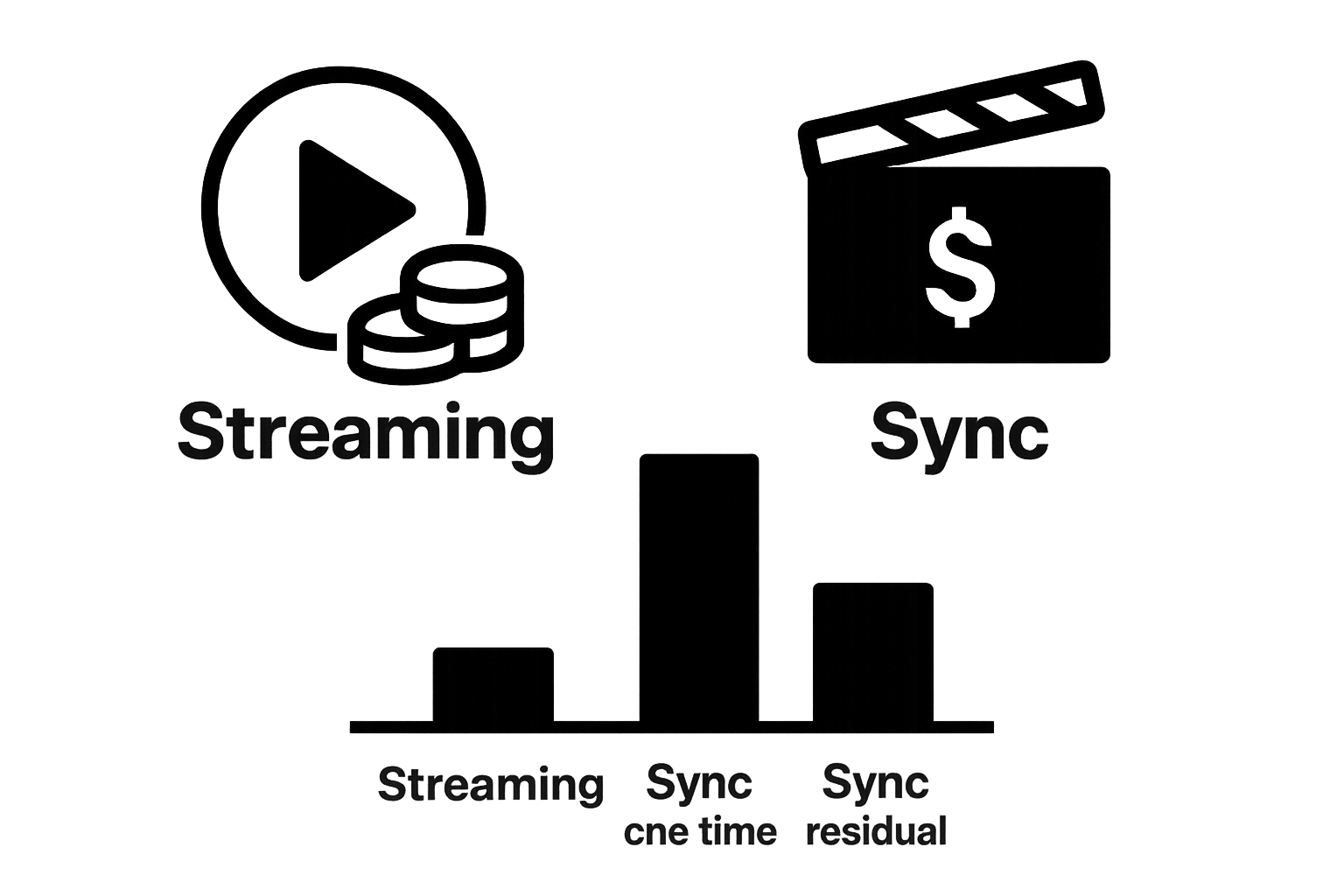
Beyond artistic recognition, sync placements represent significant financial potential for musicians. Unlike streaming royalties, which often provide minimal compensation, sync licensing can generate substantial one-time payments and ongoing residual income.
Key financial advantages include:
Potentially higher per-use compensation compared to streaming
Opportunities for long-term passive income
Increased chances of attracting industry professional attention
Diversification of revenue streams beyond traditional music sales
Explore our sync licensing services to understand how professional platforms can help navigate this complex but rewarding musical landscape. By strategically positioning your music for sync opportunities, you’re not just distributing tracks you’re crafting potential breakthrough moments for your artistic career.
How Sync Placement Works: The Process Explained
Sync placement operates like a complex musical matchmaking service, connecting musicians with visual media creators through a carefully orchestrated legal and creative process. Understanding this intricate journey requires exploring the nuanced interactions between artists, music supervisors, and content producers.
The Initial Exploration Phase
The sync placement journey typically begins with music supervisors and content creators actively searching for tracks that perfectly complement their visual narrative. These professionals scour vast music libraries, attend industry showcases, and collaborate with music licensing platforms to discover unique sonic landscapes that enhance their storytelling.
These music supervisors aren’t just looking for any track; they’re seeking musical compositions that can elevate emotional moments, create tension, or provide subtle background atmosphere. Their selection process involves deep consideration of musical mood, thematic alignment, and potential audience resonance.
Legal Negotiations and Licensing
Once a potential track is identified, the complex world of music licensing springs into action. This phase involves multiple critical steps that protect both the musical artist and the content creator. A synchronization license must be negotiated, which grants specific permissions for using the musical work within the visual medium.
Key considerations during licensing include:
Determining precise usage duration and context
Establishing clear financial compensation terms
Defining geographical and platform distribution rights
Confirming ownership and copyright clearance
The negotiation process can involve multiple stakeholders, including record labels, publishers, and individual artists, each representing their specific interests and ensuring fair compensation.
This table details the typical stages of the sync placement process, highlighting the main activities and focus of each phase. It provides a structured overview to help readers understand how a track goes from selection to commercial success.
| Stage | Description | Main Stakeholders |
|---|---|---|
| Initial Exploration | Discovery of suitable tracks for visual media by supervisors and creators | Music supervisors, content creators |
| Legal Negotiations and Licensing | Securing legal permissions and agreeing on licensing terms | Artists, labels, publishers |
| Creative and Commercial Alignment | Ensuring artistic value aligns with commercial objectives and project needs | Artists, supervisors, producers |
Creative and Commercial Alignment
Successful sync placements represent a delicate balance between artistic integrity and commercial opportunity. Explore our music licensing services to understand how professional platforms can help musicians navigate this complex landscape. Artists who understand the nuanced requirements of sync placement position themselves to transform their musical creations into powerful storytelling tools that can reach global audiences through unexpected and exciting channels.
Key Elements and Effectiveness of Sync Placement
Sync placement transcends mere musical accompaniment, representing a sophisticated art form where sound and visual storytelling intersect with remarkable precision. Understanding its effectiveness requires deep exploration of the intricate elements that transform a simple track into a powerful narrative catalyst.
Musical Emotional Resonance
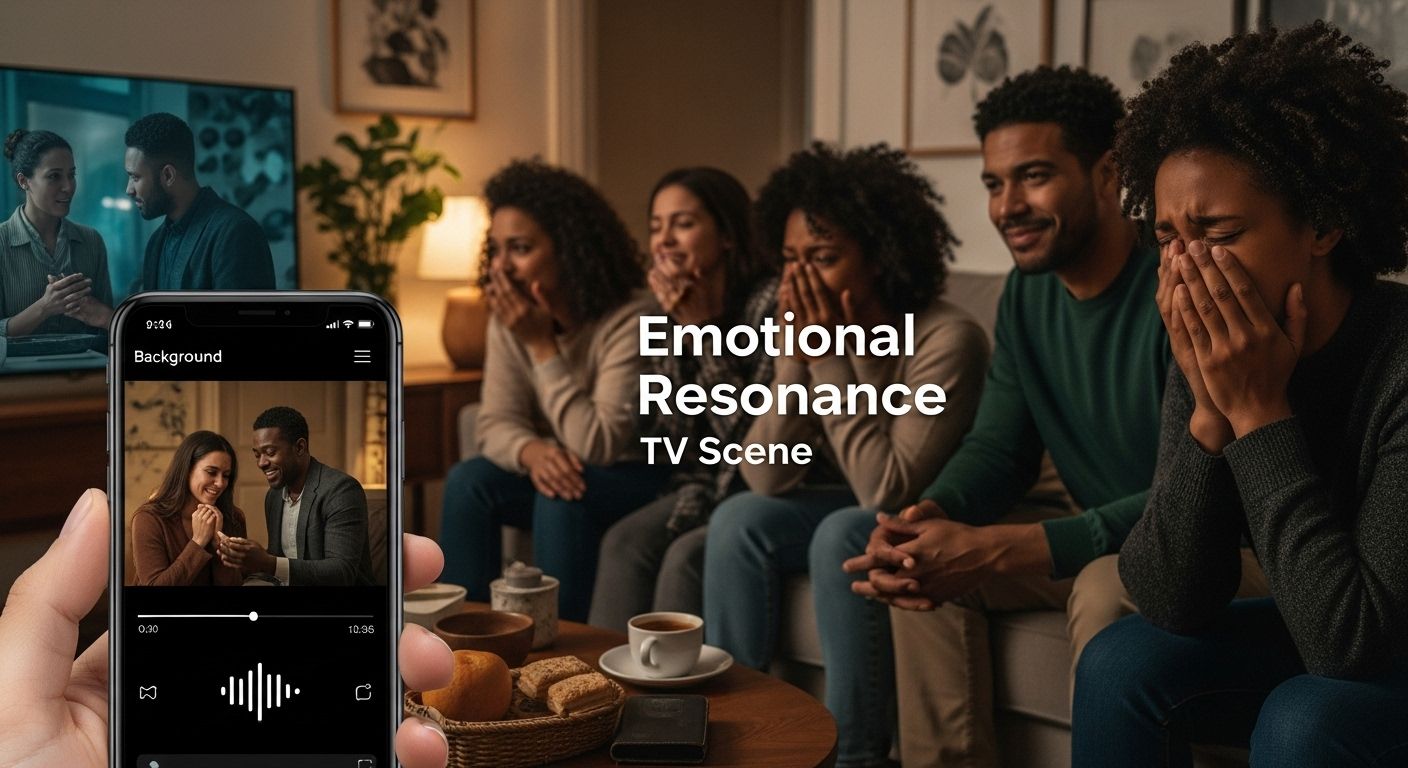
The core of successful sync placement lies in a track’s ability to amplify emotional landscapes within visual media. Music supervisors seek compositions that can instantaneously communicate complex emotional narratives without dialogue. A melancholic piano melody might convey profound loss in a film scene, while an energetic electronic track could represent triumphant character transformation.
These musical selections aren’t random but meticulously chosen to create visceral audience connections. The right track can elevate a mundane scene into an unforgettable cinematic moment, triggering deep psychological and emotional responses that transcend traditional musical experiences.
Technical and Creative Criteria
Effective sync placements demand a precise combination of technical proficiency and creative intuition. Music supervisors evaluate tracks based on multiple sophisticated criteria that extend far beyond basic sonic quality.
Key evaluation elements include:
Structural flexibility for potential editing
Clear instrumental and vocal separation
- Emotional authenticity and narrative alignment
High-quality production standards
Moreover, tracks must demonstrate remarkable adaptability. A successful sync placement track can seamlessly transition between background atmosphere and focal emotional punctuation without losing its inherent musical integrity.
Strategic Music Positioning
Sync placement represents more than artistic expression, it’s a strategic career pathway for musicians. Discover professional music positioning strategies that can transform your musical catalogue into a powerful storytelling asset. By understanding the nuanced requirements of sync placement, artists can craft compositions that not only resonate emotionally but also possess the technical sophistication required by modern media productions & a production company.
Real-World Examples of Successful Sync Placements
Sync placements have transformed countless musical careers, turning obscure tracks into cultural phenomena and launching artists from underground scenes into mainstream consciousness. These remarkable stories demonstrate how strategic musical placement can dramatically reshape an artist’s trajectory and audience perception.
Television and Streaming Breakthroughs
Television series have become powerful platforms for musical discovery, with carefully curated soundtracks creating massive audience connections. Consider how shows like Netflix’s “Stranger Things” revived interest in 1980s synth music, or how the melancholic indie track in a pivotal “Grey’s Anatomy” scene can catapult an unknown artist into global recognition.
Music supervisors now function as modern-day tastemakers, wielding extraordinary power to introduce audiences to transformative musical experiences. A single strategic placement can generate millions of streams and spark widespread audience curiosity about an artist’s entire catalogue.
Film and Advertising Soundtrack Transformations
Film and advertising industries represent another crucial arena for sync placement success. Independent artists have witnessed extraordinary career momentum through unexpected soundtrack selections. A poignant indie track in a car commercial or an emotional scene in an independent film can suddenly transform an artist’s visibility and commercial potential.
Notable sync placement characteristics include:
Ability to capture complex emotional narratives
High production quality and versatility
Strong thematic resonance with visual content
Unique sonic landscapes that stand out
Commercial and Cultural Impact
Explore professional sync licensing strategies that can help artists navigate this complex musical landscape. Successful sync placements are more than financial opportunities they represent profound moments of cultural connection where music transcends its original context and becomes part of a larger storytelling experience. Artists who understand this nuanced art form position themselves to create meaningful musical journeys that resonate far beyond traditional listening platforms.
Take Your Music Further With Powerful Sync Placement Opportunities
Many artists struggle to get their tracks discovered and used in compelling visual storytelling, even when they have music that could create real emotional impact. As highlighted in this article, understanding sync placement is essential for those seeking exposure, industry credibility and new revenue streams. Yet, the process of securing synchronisation licensing and building the right industry connections can feel out of reach, especially for independent artists facing industry gatekeepers.
If you want to see your music featured in films, television or advertisements, our team at Music Gateway provides the expert support and toolkit you need. We specialise in sync licensing, promotion and distribution, helping you bridge the gap between music creation and real media breakthroughs. Discover how our music promotion solutions can simplify the path to professional sync placements and unlock real growth for your music career. Ready to make your sound part of the next big story? Start your journey with Music Gateway today and access the opportunities that could launch your track worldwide.
Frequently Asked Questions
What is sync placement in music?
Sync placement in music refers to the process of pairing a musical composition with visual media, such as films, advertisements, and video games, allowing the music to enhance storytelling by creating emotional resonance.
How does sync placement benefit musicians?
Sync placements offer significant exposure opportunities, potential financial compensation, and the ability to reach wider audiences beyond traditional music platforms, often leading to long-term career breakthroughs.
What is a synchronization license?
A synchronization license is a legal agreement that allows filmmakers, advertisers, and other content creators to use a specific musical recording in conjunction with their visual media, ensuring proper permission and compensation for the artist.
What are the key components for successful sync placements?
Successful sync placements depend on a track’s emotional resonance, technical proficiency, and creative alignment with the visual narrative, ensuring the music effectively enhances the overall storytelling experience.