
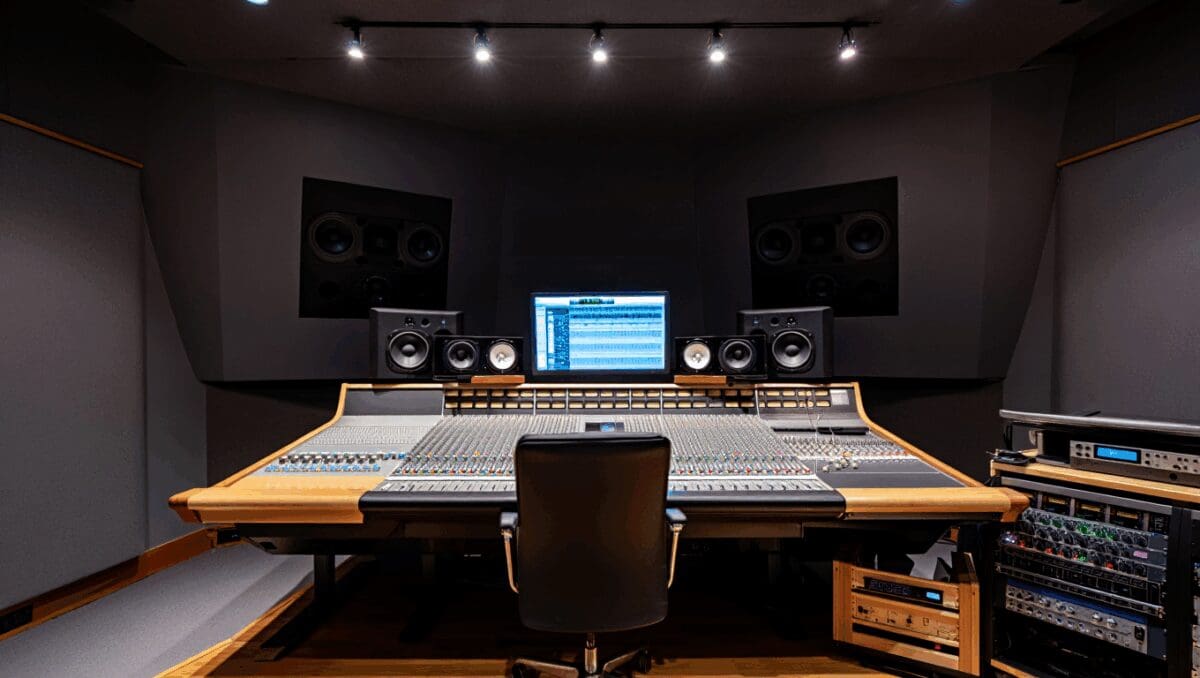

Music mastering is the make-or-break step that separates amateur tracks from professional releases. Even more surprising is that streaming algorithms now give preference to professionally mastered music, making a track up to 40 per cent more likely to be playlisted than rough mixes.
Mastering is no longer a luxury reserved for major labels; it has become a hidden necessity that every independent artist cannot afford to overlook.
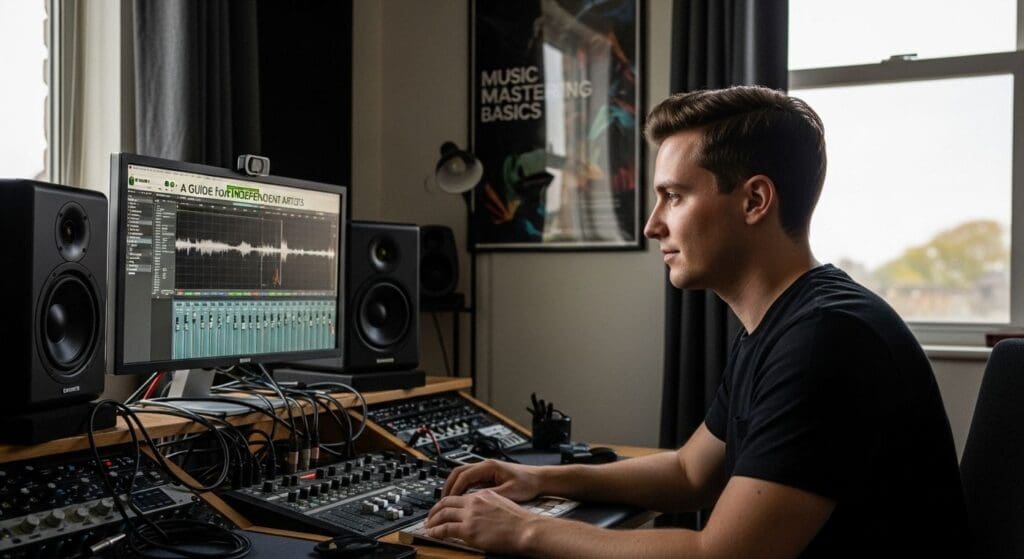
Table of Contents
- What Is Music Mastering And Why It Matters
- Essential Tools And Equipment For Mastering
- Step-By-Step Process Of Mastering A Track
- Tips For Avoiding Common Mastering Mistakes
Quick Summary
| Takeaway | Explanation |
|---|---|
| Mastering is essential for professionalism | A high-quality master differentiates your music in the competitive streaming landscape, showcasing your artistic credibility. |
| Invest in quality monitoring systems | Prioritise critical listening in various environments |
| Advanced software like equalisers and dynamic processors is vital for precise adjustments, enhancing your track’s overall level & sound quality. | Test your track on different playback systems to ensure it sounds professional everywhere and avoid tonal imbalances. |
| Avoid excessive compression to preserve dynamics | Use gentle compression to maintain energy in your tracks, preventing flat sound that can detract from emotional impact. There may be a spike at the loudest part of the song to reference. |
| Utilise specialised mastering tools and plugins | Advanced software like equalizers and dynamic processors is vital for precise adjustments, enhancing your track’s overall sound quality. |
What Is Music Mastering and Why It Matters
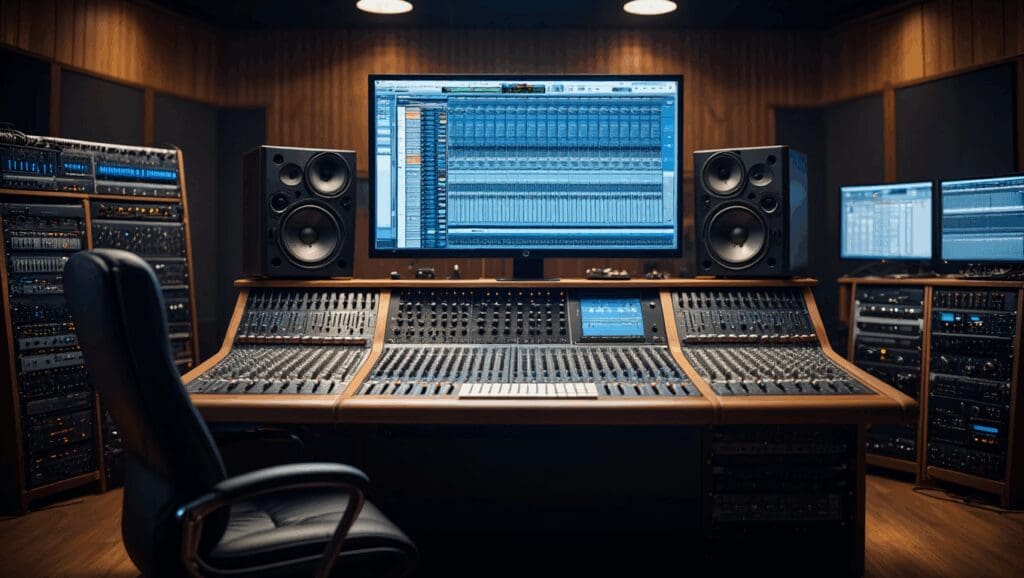
Music mastering represents the final, critical stage of audio production where raw musical recordings transform into polished, professional soundscapes. Think of it like the sophisticated tailoring that turns a good outfit into an extraordinary ensemble – mastering is the haute couture of natural sounding production.
The Technical Heart of Audio Refinement
At its core, music mastering is a meticulous process of optimising the sonic characteristics of a mixed track. Imagine your musical composition as a rough diamond – mixing prepares the stone, but mastering cuts and polishes it to brilliance. Audio engineers carefully adjust frequency balance, stereo widening, dynamics, and overall loudness to ensure your track sounds phenomenal across every possible listening environment.
The primary goal isn’t just making the final mix loud or boosting the overall sound, but creating a cohesive, balanced sound that translates perfectly whether someone’s listening through high-end studio monitors, budget earbuds, car speakers, or smartphone speakers. A masterful track maintains its integrity and emotional impact regardless of playback system.
Why Independent Artists Cannot Afford to Skip Mastering
For independent artists, professional mastering isn’t a luxury – it’s an absolute necessity. Streaming platforms like Spotify and Apple Music are ruthlessly competitive, and audiences have incredibly sophisticated ears. A poorly mastered track can sound amateurish, instantly signalling to listeners and potential industry professionals that your production lacks polish.
Consider mastering as your music’s passport to professional recognition. Learn more about professional audio techniques that can elevate your sound from bedroom recording to industry-standard quality. The difference between a track that sounds ‘okay’ and one that sounds ‘remarkable’ often comes down to masterful post-production.
Moreover, different music genres demand unique mastering approaches. Electronic music requires tight, punchy low-end and crisp high frequencies. Classical recordings need delicate dynamics preservation. Rock tracks benefit from aggressive compression. A skilled mastering engineer understands these nuanced requirements, applying precise techniques that honour your musical vision.
While some artists attempt DIY mastering, professional services bring critical advantages. They possess calibrated listening environments, professional-grade monitoring systems, and years of technical expertise. They hear subtleties that untrained ears might miss – phase issues, frequency imbalances, and dynamic inconsistencies that can undermine your track’s potential.
Remember, streaming platforms use complex algorithms that analyse audio quality. A professionally mastered track doesn’t just sound better – it’s more likely to be featured in algorithmic playlists, increasing your chances of discovery. Your music’s sonic quality directly impacts its potential for success.
Ultimately, music mastering transforms good recordings into extraordinary musical experiences. It’s the final, crucial step that bridges your creative intent with professional audio excellence. For independent artists serious about their craft, investing in quality mastering isn’t an expense – it’s a strategic investment in your musical career.
Essential Tools and Equipment for Mastering
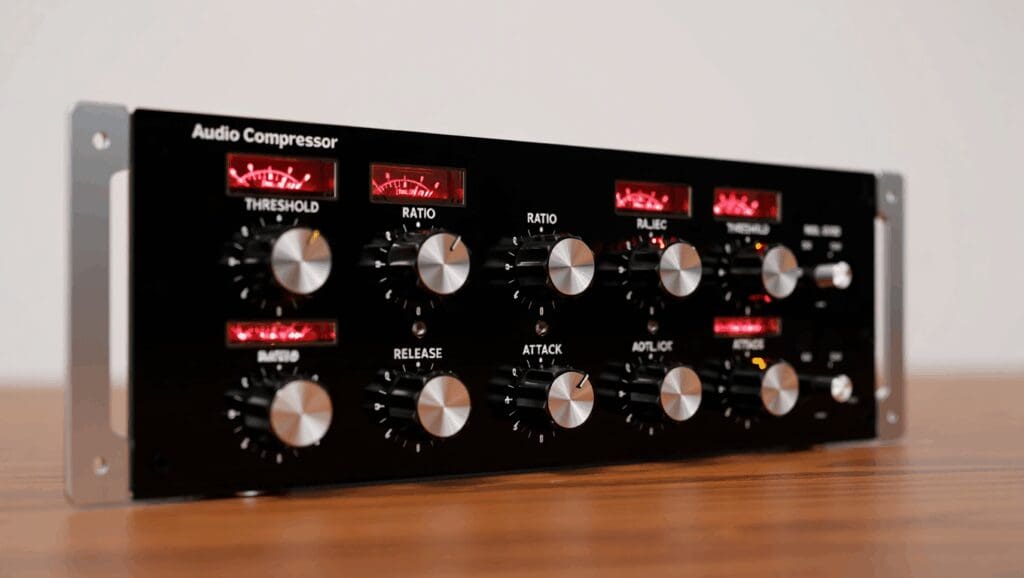
Mastering your music requires more than just talent and creativity – it demands precision equipment that transforms raw recordings into professional soundscapes. Whether you’re a bedroom producer or an aspiring audio engineer, understanding the right tools can make the difference between a good track and a phenomenal one.
High-Quality Monitoring Systems
At the heart of any mastering setup lies your monitoring system. Professional mastering engineers invest heavily in studio monitors and headphones that provide brutally honest sound reproduction. Forget those trendy consumer headphones – you need reference-grade monitoring that reveals every microscopic detail in your audio.
Professional studio monitors like the Adam A7X or Genelec 8010A offer exceptionally flat frequency responses, allowing you to hear precisely what’s happening across your track’s entire sonic spectrum. These aren’t just speakers – they’re precision instruments that expose every frequency imbalance, dynamic inconsistency, and potential mix problem.
Headphones play an equally crucial role. Models like the Sennheiser HD650 or Beyerdynamic DT 1990 Pro provide clinical accuracy, enabling critical listening in environments where traditional monitors might be impractical. Explore professional audio equipment recommendations that can elevate your mastering game from amateur to professional.
Digital Audio Workstation (DAW) and Plugins
Your Digital Audio Workstation is the command centre of modern music mastering. Professional-grade DAWs like Steinberg Wavelab, iZotope Ozone, and Adobe Audition provide specialised mastering workflows that go far beyond basic recording software. These platforms offer advanced metering, spectral analysis, and precise processing tools that are essential for professional-quality mastering.
Mastering plugins are your secret weapons. Equalisers like the Fabfilter Pro-Q 3 allow microscopic frequency adjustments, while dynamic processors such as the Waves L3 Multimaximizer help you achieve professional loudness without destroying your track’s dynamics. Stereo imaging plugins enable you to fine-tune your track’s spatial characteristics, ensuring it sounds massive yet controlled.
Acoustic Treatment and Listening Environment
Perhaps the most overlooked aspect of mastering is your listening environment. Professional mastering requires an acoustically treated space that provides neutral, accurate sound reproduction. This doesn’t mean covering your walls in expensive foam – strategic placement of absorption and diffusion panels can dramatically improve your room’s sonic characteristics.
Consider investing in bass traps for low-frequency management, broadband absorbers for mid-range clarity, and diffusion panels to prevent problematic sound reflections. Your goal is to create a listening environment that reveals true audio characteristics, free from room-induced colouration.
A professional-grade audio interface like the Universal Audio Apollo Twin or RME Fireface UCX provides high-resolution, low-latency conversion that ensures your digital signals maintain pristine quality. These aren’t just sound cards – they’re precision translation devices that bridge your digital audio world with an analogue listening experience.
Remember, while equipment matters, your ears and technical skills are your most valuable tools. No amount of expensive gear can replace critical listening skills and a deep understanding of audio dynamics. Invest in your education, practice consistently, and gradually build your mastering toolkit.
To help you choose the right equipment for music mastering, here is a table summarising the essential tools and specific examples discussed in the article.
| Tool or Equipment | Purpose | Example Models / Software |
|---|---|---|
| Studio Monitors | Accurate sound reproduction for critical listening | Adam A7X, Genelec 8010A |
| Reference Headphones | Detailed, clinical monitoring in any environment | Sennheiser HD650, Beyerdynamic DT 1990 Pro |
| Digital Audio Workstation (DAW) | Central hub for mastering workflow | Steinberg Wavelab, iZotope Ozone, Adobe Audition |
| Mastering Plugins | Frequency and dynamic processing | Fabfilter Pro-Q 3, Waves L3 Multimaximizer |
| Acoustic Treatment Panels | Neutral room acoustics for accurate monitoring | Bass traps, absorption and diffusion panels |
| Professional Audio Interface | High-quality digital-to-analogue conversion | Universal Audio Apollo Twin, RME Fireface UCX |
Step-By-Step Process of Mastering a Track

Mastering isn’t just a technical process – it’s the final sonicalchemy that transforms a good recording into a professional masterpiece. For independent artists, understanding the step-by-step mastering workflow can mean the difference between a track that sounds amateur and one that commands industry respect. Ultimately, start mastering, dive in, and you will see the difference, making your tracks sound good and improving your overall music production and mix engineer skills.
Preparation and Critical Listening
Before diving into technical adjustments, professional mastering begins with meticulous preparation. Start by ensuring your mix is delivered at an optimal level – typically peaking around -6 dB to -3 dB, providing headroom for mastering processing. Learn more about professional audio techniques that can elevate your track’s potential.
Critical listening is your first real mastering task. Using reference-grade monitors or high-quality headphones, analyse your track’s frequency balance, stereo image, and dynamic range. Listen across multiple playback systems – studio monitors, car speakers, smartphone earbuds – to understand how your track translates. Pay attention to problematic frequencies, stereo width inconsistencies, and overall tonal balance.
Technical Processing and Enhancement
The technical heart of mastering involves precise, surgical audio processing. Begin with equalisation to fine-tune frequency balance. Use a transparent, linear-phase equalizer to make subtle adjustments – we’re talking increments of 0.5 to 1 dB, not dramatic cuts or boosts. Your goal is subtle refinement, not wholesale reconstruction.
Compression comes next, but with a light touch. Unlike mixing compression, mastering compression is about glueing the mix together and managing the overall dynamic range. Use a transparent compressor with minimal gain reduction – typically 1-2 dB maximum. The aim is to create cohesion and punch without squashing the track’s natural dynamics.
Stereo imaging tools help you control the track’s spatial characteristics. Carefully adjust the stereo width to enhance dimension without creating phase issues. Some frequencies might benefit from mid-side processing, allowing you to treat the centre and sides of the mix differently.
Final Touches and Quality Control
Loudness is the final critical consideration. Use a brick wall limiter to bring your track to competitive streaming levels, but preserve dynamic range. Most streaming platforms have integrated loudness standards – aim for around -14 LUFS for optimal playback across platforms.
Dithering is the unsung hero of mastering. When reducing bit depth (say, from 24-bit to 16-bit for CD or streaming), dithering adds a subtle noise that masks quantisation errors, preserving audio quality. Choose a high-quality dither algorithm that suits your genre and playback medium.
Quality control is non-negotiable. Perform multiple listening tests on different systems. Export your master and listen in various environments – car, headphones, laptop speakers. Each listening session might reveal subtle adjustments needed.
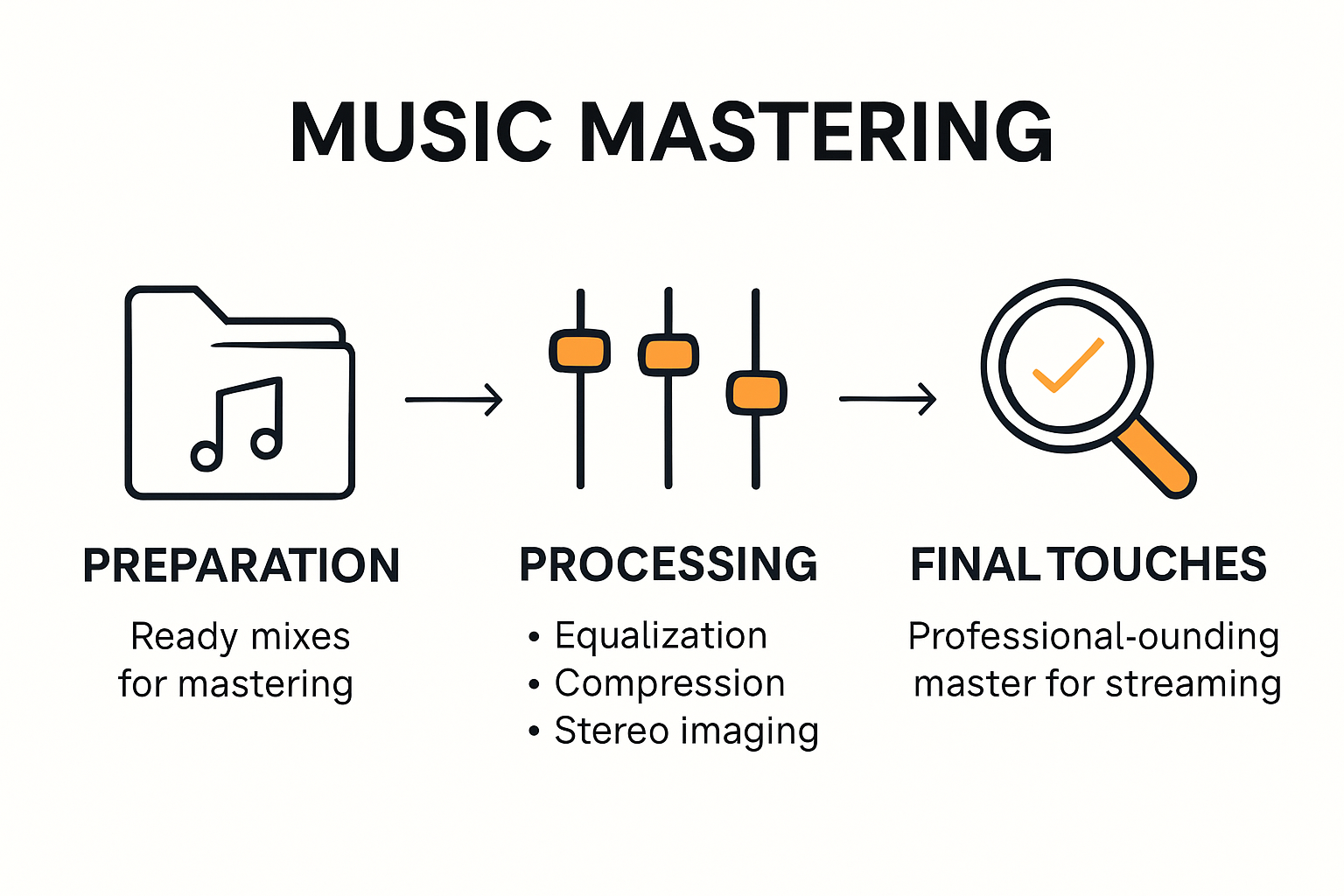
Below is a step-by-step table outlining the mastering process described, so you can visualise the workflow and key actions for each stage.
| Step | Key Actions |
|---|---|
| Preparation and Critical Listening | Deliver a mix peaking at -6 to -3 dB; Evaluate frequency balance, stereo image, and dynamics across various playback systems |
| Equalisation | Use linear-phase EQ for subtle frequency adjustments (0.5–1 dB); Refine overall tonal balance |
| Compression | Apply gentle master bus compression for cohesion (1–2 dB gain reduction); Preserve natural track dynamics |
| Stereo Imaging | Fine-tune stereo width; Use mid-side processing for spatial control without phase issues |
| Limiting & Loudness Adjustment | Apply limiter for competitive loudness; Target streaming loudness standards (approx. -14 LUFS) |
| Dithering | Add dithering when reducing bit depth (e.g., to 16-bit for streaming); Use high-quality algorithms suited to your genre |
| Quality Control & Testing | Listen on multiple systems (monitors, earbuds, car, etc.); Check for consistency and make final refinements |
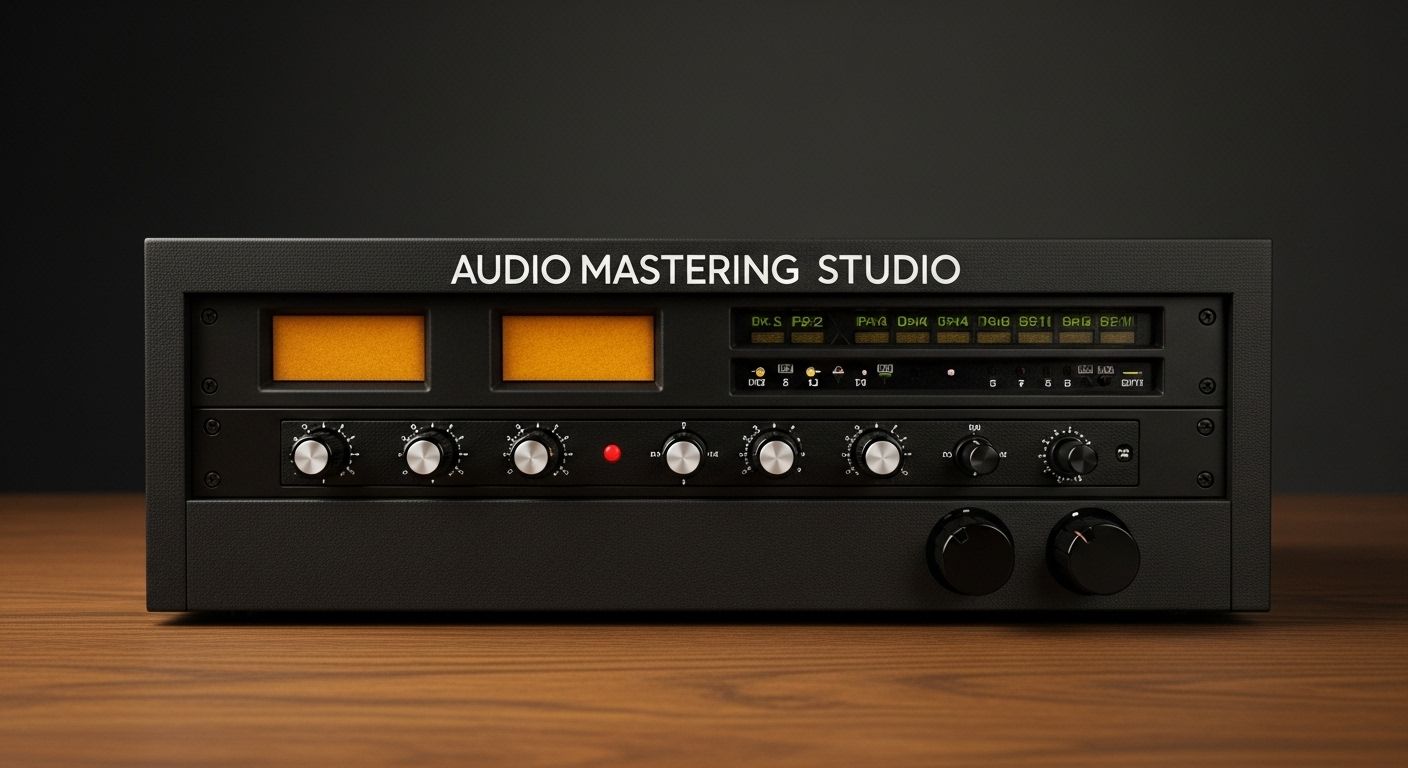
Remember, mastering is an art form that requires both technical precision and creative intuition. No two tracks are identical, and mastering isn’t about applying a universal template but understanding each track’s unique sonic personality.
Ready to take your audio production to professional levels? Join Music Gateway and unlock resources that can transform your musical journey.
Tips for Avoiding Common Mastering Mistakes
Mastering might seem like a mystical art, but it’s really about avoiding predictable pitfalls that can sabotage your track’s potential. Independent artists often stumble into traps that transform promising recordings into sonic disappointments. Understanding these common mistakes can be the difference between a track that sounds professional and one that sounds amateurish.
Overcompression and Dynamic Range Destruction
The most prevalent mistake in mastering is obliterating your track’s dynamic range through excessive compression. Aspiring producers often equate loudness with quality, aggressively squashing their music until it sounds flat and lifeless. Explore professional audio techniques that preserve your music’s natural energy and emotion.
Compression should be surgical and subtle. Your goal is gentle dynamic management, not total dynamics elimination. Use a transparent compressor with minimal gain reduction – typically 1-2 dB maximum. Think of compression like seasoning: a pinch enhances flavour, but too much ruins the entire dish. Modern streaming platforms actually penalise overly compressed tracks, reducing their perceived loudness and potentially harming playlist placement.
Utilise your DAW’s meters to monitor dynamic range. A healthy master typically maintains a dynamic range between 8-12 LU (Loudness Units), providing punch and energy while preserving musical nuance. Remember, dynamics create excitement – they’re the musical equivalent of breathing.
Frequency Ranges Imbalance and Tonal Problems
Another critical mistake is neglecting frequency balance. Many independent artists approach equalization like a blunt instrument, making dramatic cuts and boosts that destroy their track’s original character. Mastering EQ should be microsurgical – we’re talking incremental adjustments of 0.5 to 1 dB, not wholesale reconstructions.
Start by understanding your genre’s typical frequency profile. Electronic music requires tight, punchy low-end. Rock demands midrange clarity. Classical recordings need delicate high-frequency preservation. Use reference tracks from professionally mastered recordings in your genre as sonic benchmarks.
Critical listening is your most powerful tool. Use high-quality monitors or reference headphones to identify problematic frequencies. Look for subtle masking issues where certain frequencies compete or cancel each other out. Mid-side processing can help you surgically address stereo image and frequency balance without compromising the mix’s fundamental integrity.
Ignoring Different Playback Environments
Perhaps the most overlooked mastering mistake is failing to test your track across multiple playback systems. Your meticulously crafted master might sound phenomenal in your studio, but transform into a muddy mess on smartphone speakers or car audio systems.
Develop a rigorous testing protocol. Listen to your master on studio monitors, budget earbuds, laptop speakers, car sound systems, and smartphone speakers. Each environment reveals different sonic characteristics. Pay attention to bass response, stereo imaging, and overall tonal balance.
Understand streaming platform specifications. Different services have unique loudness standards and encoding processes. Spotify, Apple Music, and YouTube each handle audio differently. Aim for a master that sounds consistent across platforms, typically targeting around -14 LUFS for optimal streaming performance.
Mastering is part science, part art. It requires technical precision and creative intuition. No universal template exists – each track demands a unique approach. Develop your critical listening skills, remain patient, and remember that subtlety often trumps aggressive processing.
Ready to elevate your audio production skills? Join Music Gateway and unlock professional resources that can transform your musical journey.
Frequently Asked Questions
What is music mastering and why is it important?
Music mastering is the final stage of audio production where a mixed track is optimised for distribution. It ensures that your music sounds professional and cohesive across different playback systems, making it essential for independent artists looking to stand out in a competitive market.
What are the essential tools and equipment needed for music mastering?
Key tools for mastering include high-quality studio monitors for accurate sound reproduction, a reliable Digital Audio Workstation (DAW) with specialised mastering plugins, and acoustic treatment in your listening environment to minimise sound coloration.
How do I avoid common mistakes during the mastering process?
To avoid common mastering mistakes, focus on maintaining dynamic range by using subtle compression, making careful and incremental EQ adjustments to avoid tonal problems, and testing your master across various playback systems to ensure it sounds great everywhere.
Can I master my own music, or should I hire a professional?
While DIY mastering is possible, hiring a professional can significantly enhance the quality of your track. Professional engineers possess the experience, tools, and acoustic environments that can elevate your music to a level that may be challenging to achieve on your own.
Unlock Professional Mastering Results and Get Heard
As an independent artist, you already know how crucial mastering is for elevating your tracks from raw mixes to industry-ready releases. Yet, the struggle is real. Whether you are grappling with frequency imbalance, feeling lost amid technical requirements like dynamic range and loudness, or simply finding it difficult to compete for playlist placements, the journey can feel overwhelming. You have learned that a professional master is what sets your music apart on platforms where first impressions really count, but accessing the right tools, expert guidance, and effective promotion is not always straightforward.
That is where Music Gateway’s music promotion services step in. Imagine having your finely mastered track not only sound crisp and balanced but also reach the right audiences through effective playlist submission, digital marketing, and tailored strategies for independent artists. Do not leave your hard work unheard. Start your journey now and let Music Gateway connect your professional mastering with the industry exposure you deserve. Seamlessly bridge the gap between world-class sound and real-world opportunities for your music.